
Last updated November 15, 2026
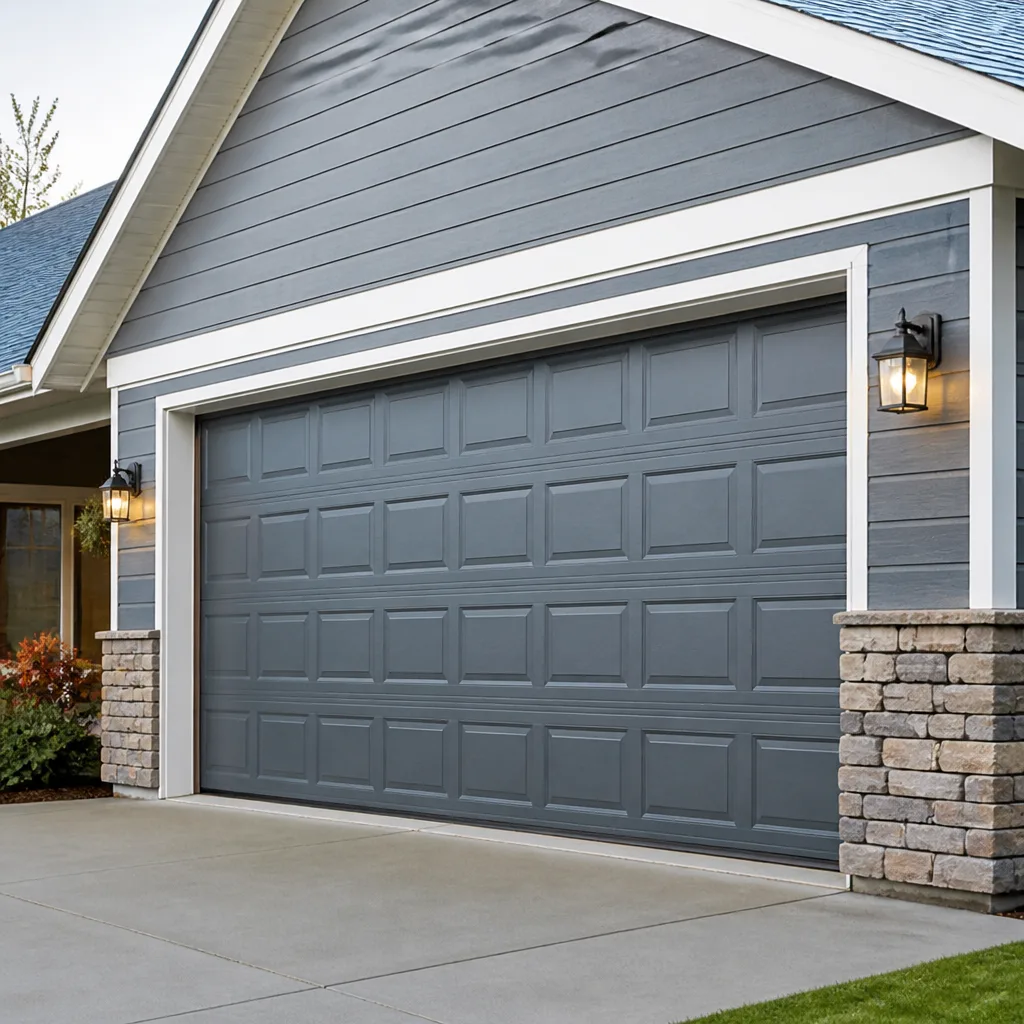 Raised-panel steel
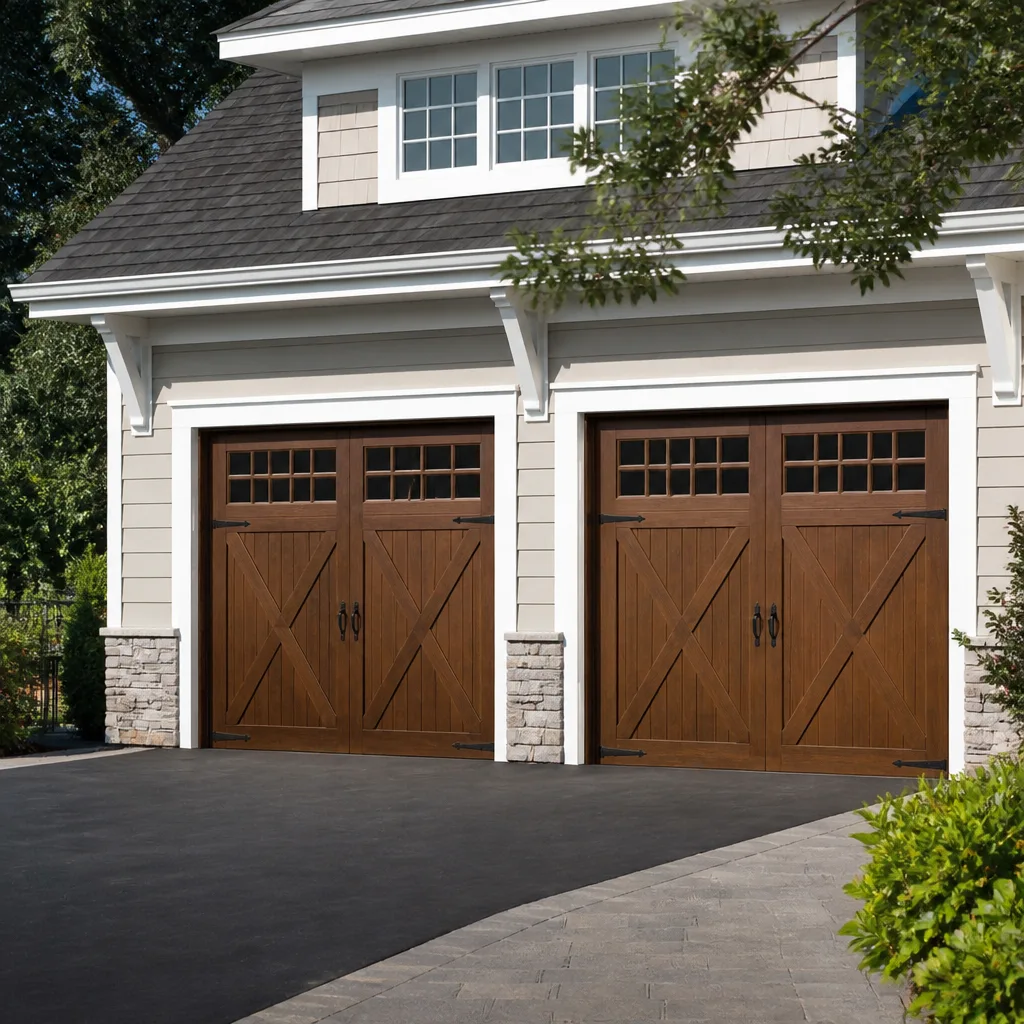 Carriage house
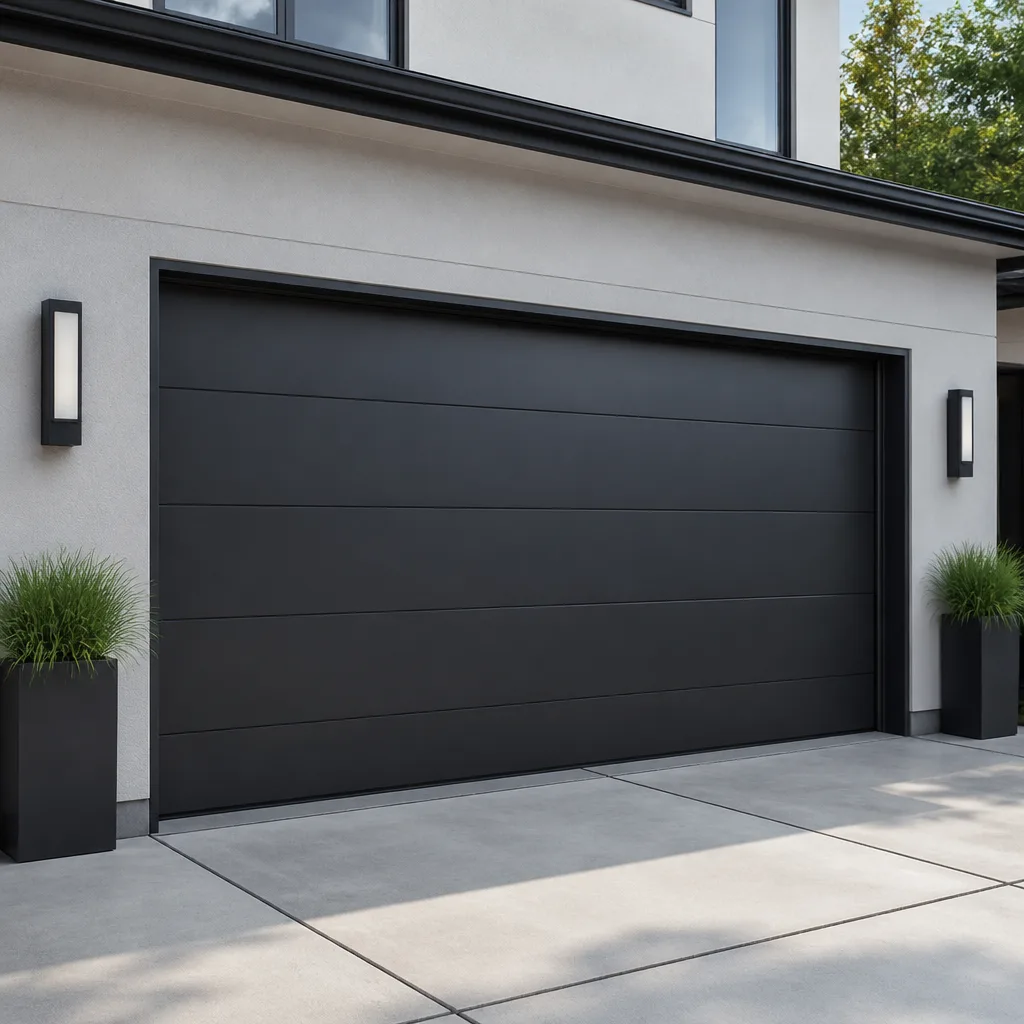 Modern flush
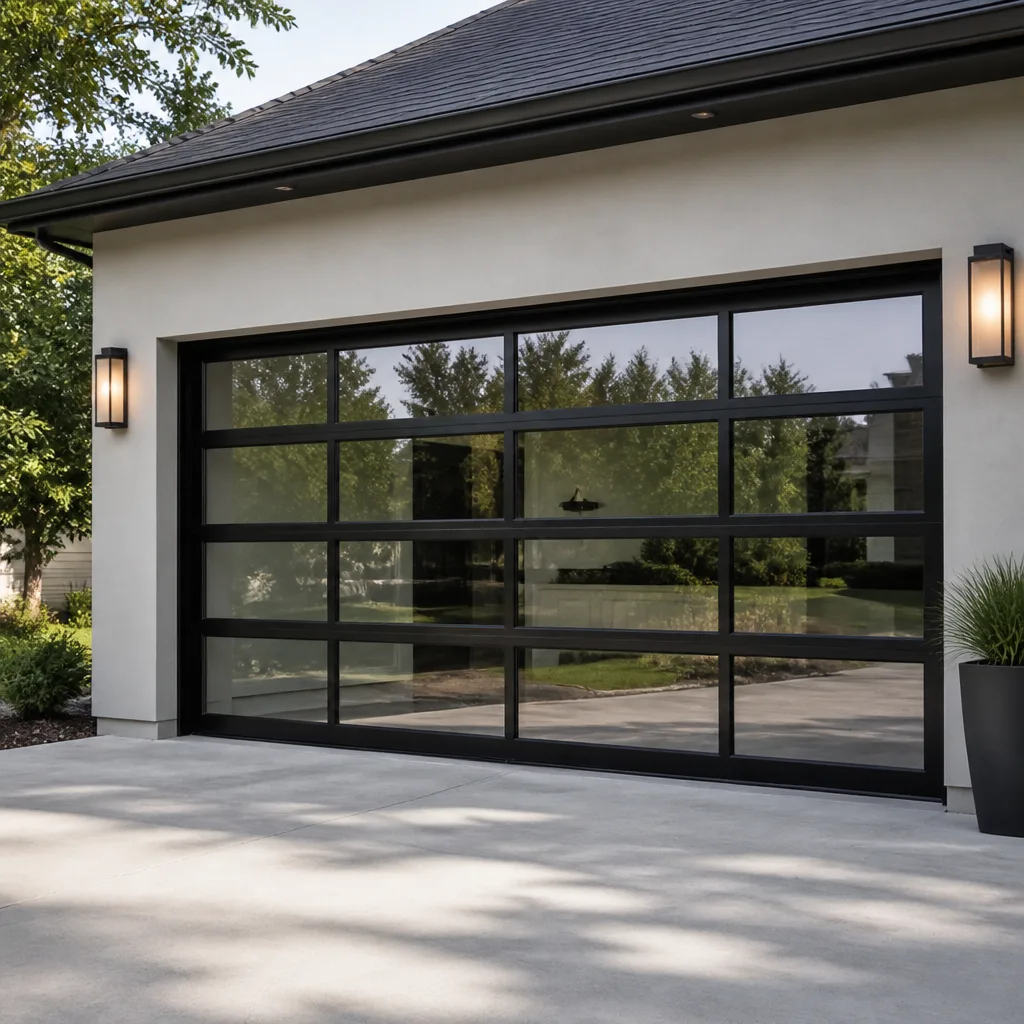 Full-view glass
 LiftMaster openers
 Chamberlain openers
Full 25-point door and opener safety check with every visit - springs, cables, rollers, tracks, and your LiftMaster or Chamberlain opener included
You get a price before we start. It does not change when the pro arrives.
Get your free estimateGarage Door Permits, Codes & Inspections in Broken Arrow, OK: What You Need to Know
Most Broken Arrow homeowners assume a garage door replacement never needs a permit, and most of the time they’re right. A straight swap of a door into the same opening, with the same dimensions and the same header, is classified here as like-for-like replacement. But the exceptions matter more than the rule, because they’re exactly where things go wrong. Structural changes, new motorized systems on additions, and fire-rated doors between the garage and living space all sit on the other side of the line. A Broken Arrow homeowner who widens an opening or converts a carport without checking can carry an open permit problem all the way to a title search, sometimes weeks before closing. This guide walks through the thresholds, the code sections that get misread, how HOA review stacks on top of city permitting, what an inspector actually looks for, and what remediation tends to run when unpermitted work is discovered. By the end you’ll know which garage door projects in Broken Arrow need a permit and which don’t.
Quick Answer
In Broken Arrow, OK, a garage door replacement that keeps the same opening size, same header, and same track layout is generally treated as like-for-like replacement and typically doesn’t require a permit. A permit is usually required when you change the size of the opening, alter the structural framing, add a motorized door to a new addition, or install a fire-rated door between an attached garage and living space. When in doubt, call Broken Arrow Development Services directly before work starts and ask them to classify your project.
Styles & brands we work with
- Raised-panel steel
- Carriage house
- Modern flush
- Full-view glass
- LiftMaster openers
- Chamberlain openers
Table of Contents
- When Does a Garage Door Project Need a Permit in Broken Arrow?
- What Counts as Like-for-Like Replacement?
- Fire-Rated Doors Between the Garage and Living Space
- How HOA Review Interacts With City Permitting
- What an Inspector Actually Checks
- What Happens When Work Was Never Permitted
- Permit and Remediation Costs to Expect
- Step-by-Step: A Permit-Safe Garage Door Project
When Does a Garage Door Project Need a Permit in Broken Arrow?
The dividing line in Broken Arrow runs between repairs and replacements on one side, and structural or dimensional changes on the other. A permit is usually required whenever the work touches the load-bearing structure of the garage or changes the size or shape of the opening. Repair work on an existing door – springs, cables, rollers, tracks, panels, openers – doesn’t fall under permitting at all, because the opening and structure stay the same.
The categories that typically need a permit look like this:
- Enlarging or reducing the opening. Converting a single-car door opening to a double-car opening, or the reverse, changes the header span and requires structural review.
- Adding a new garage door to a new structure. A detached shop, an addition, or a carport conversion with a new motorized door.
- Changing the header or framing. Any work that alters the structural members above the door.
- Installing a fire-rated door between an attached garage and living space when one wasn’t there before, or changing the door’s rating.
- Altering the garage-to-house separation in any way that affects the firewall or the door that closes it.
Straight replacements, where a new door goes into the existing opening with the same dimensions and the same structural framing, are usually classified differently. That’s the like-for-like exception covered in the next section. The most reliable way to know which side of the line you’re on is to describe the project in plain terms to Broken Arrow Development Services and let them tell you. They classify these every week, and they’ll tell you honestly if a permit isn’t needed. Getting that answer in writing before anyone touches the door is worth the phone call.
If your project is repair work rather than replacement – a broken spring, a door off track, a snapped cable – permitting doesn’t apply, and that’s what our garage door repair team handles directly. For new installations that do need permitting, the sequence is: get the permit first, then schedule the install.
What Counts as Like-for-Like Replacement?
Like-for-like replacement means the new door occupies the same opening as the old one, with the same width, height, and headroom, using the same structural framing above and around it. The tracks land on the same walls. The spring system works with the same weight class. You might be upgrading from a basic steel door to an insulated Clopay or Amarr model, and that still counts as like-for-like, because the opening and structure haven’t moved. Changing the manufacturer, the material, or the insulation value doesn’t change the classification.
What typically pushes a project out of like-for-like territory:
- The opening gets wider or taller. Even a couple of inches of extra width means structural review.
- The header gets replaced or modified. The structural beam above the opening is load-bearing; changing it needs a permit.
- The spring system changes class. Going from extension springs to torsion springs within the same opening is usually fine, but going to a heavier door that needs a new spring system on a modified header is a mixed case – ask the city.
- The garage wall gets moved. Rerouting the front wall of the garage to accommodate a different door position is a structural change.
- The door becomes part of a new structure. A shop or addition with a motorized door is a new construction item.
In Broken Arrow, most full replacements we see stay inside the like-for-like category. The exception is older homes where a previous owner already modified something, or where the current opening doesn’t match what was originally built. In those cases, pulling a permit and having the work inspected gives you a clean paper trail for the future. It also settles any question a home inspector or title company might raise later.
For a replacement where nothing structural changes, the job usually moves fast: measure, order, schedule, install. Our Morningstar Garage Door Repair installation work covers that sequence, from measure through final adjustment.
Fire-Rated Doors Between the Garage and Living Space
Oklahoma residential code requires a fire-rated separation between an attached garage and the living space it shares a wall or ceiling with. In practical terms this means the door that leads from the garage into the house – the walk-through door, not the big overhead door – has to be rated for that use, and so does the wall it sits in. This is a point that gets misread constantly, sometimes by contractors, sometimes by homeowners reading the code on their own.
Here’s what homeowners commonly get wrong:
- Assuming the overhead door is the fire-rated one. The big garage door at the front of the house isn’t what the code is talking about. The separation code applies to the door and wall between the garage and the house interior.
- Swapping a solid-core door for a hollow one. A hollow interior door in that position fails the rating and is a common finding at inspection.
- Adding glass between the garage and the house without a rating. Beautiful, but usually non-compliant if it’s in the firewall.
- Forgetting the self-closing requirement. A rated door in that position typically needs to close and latch on its own.
If your home was built or remodeled with a walk-through door that doesn’t meet the code, it usually shows up during a home inspection when the house goes up for sale. Fixing it is straightforward – a properly rated door, hinges that self-close, and a latch that engages without a push – but the work should be done carefully, with the rating verified on the door itself, not guessed at. This isn’t the overhead garage door itself, so it’s not something our garage door repair team handles, but it’s the single most common code misread in Broken Arrow garages, and worth getting right.
On the overhead door side, code also covers how the door and opener behave in use – the reversal safety feature, the photo eye, and the tension monitor systems on some models. Those aren’t permit items during replacement, but they do get examined during an inspection, which is covered further down. We work with LiftMaster, Chamberlain, Genie, and Craftsman opener systems on a regular basis and know how each one handles that safety behavior.
How HOA Review Interacts With City Permitting
Broken Arrow has a significant number of neighborhoods with active HOAs, and communities like Broken Arrow Ranch and Forest Ridge run their own architectural review process on top of what the city requires. These two approval tracks are separate, and you typically need both cleared before the door goes up. Passing one doesn’t cover the other.
The city track is about structural and code compliance. The HOA track is about design, color, materials, and visual consistency. A door can be structurally perfect and still get bounced by the HOA for the wrong color or panel style. And it can match every neighbor’s door and still need a permit if the opening changes. The two questions run in parallel, not in sequence.
What HOA review usually asks for in Broken Arrow neighborhoods:
- A submittal form with the door model and manufacturer. Naming the exact product – a Clopay model name and number, for example – speeds up approval.
- Color samples or a paint code. Some HOAs require the door color to match the trim or the neighboring homes.
- A site plan or elevation drawing. The HOA wants to see how the door looks on the elevation facing the street.
- Contractor information. Some HOAs want proof the installer is licensed and insured.
- Approval before installation. Retroactive HOA approval is much harder to obtain and sometimes impossible.
In our experience, the HOA process tends to be the slower of the two tracks in Broken Arrow, especially when a homeowner submits without the right paperwork and has to resubmit. Ask your HOA for its architectural review checklist before you pick a door. That single step saves days of back-and-forth. If your neighborhood has an architectural committee, get the point of contact in writing, submit through them directly, and keep the approval letter with your home records.
For neighborhoods without an HOA, or for homes built before the HOA existed, the city track is the only one that applies. Development Services will tell you what’s needed for your address.
What an Inspector Actually Checks
When a permit is pulled for a garage door installation in Broken Arrow, an inspector comes out at one or more stages to verify the door, the framing, and the safety systems meet code. Knowing what they look for helps you spot a sloppy install before it’s signed off. Here’s what typically gets checked:
- Opening dimensions against the approved plan. If the permit says a 16-foot opening and the installed opening is 16 feet 2 inches, that gets flagged.
- Header and framing integrity. The structural members above the door must match the approved plans and carry the load as designed.
- Track plumb and level. Out-of-plumb tracks mean the door doesn’t travel cleanly and is more likely to fail over time.
- Door balance. With the opener disconnected, the door should move smoothly by hand and hold its position partway up.
- Reversal safety. The door must reverse on contact, and the photo-eye system (where fitted) must be aligned and working.
- Spring and cable installation quality. Springs under correct tension, cables properly wound, safety cables in place on extension systems.
- Attachment to the structure. The track brackets, opener rail, and torsion assembly anchored into structural wood, not just drywall.
- Fire separation (if inspected as part of the permit scope). The walk-through door between the garage and house meets the rating and self-closes.
Broken Arrow inspectors tend to be pragmatic. They’re checking that the work is safe and matches what was approved, not looking for reasons to fail a job. But an install that isn’t right – springs under the wrong tension, a track out of plumb, a photo-eye that isn’t aligned – usually shows up at this stage, and it’s better for the homeowner that it does. We’ve seen plenty of installs where the door worked fine on day one and would have been a warranty headache within a year. Inspection catches those.
If the inspection finds an issue, the fix is almost always within the garage door itself, not the structure. A re-hung track, a re-tensioned spring system, a corrected photo-eye – these are handled on the door side. That’s the kind of correction our garage door opener repair and installation work covers, whether it’s a Chamberlain belt drive, a Genie chain drive, or a LiftMaster screw drive.
What Happens When Work Was Never Permitted
Unpermitted garage door work tends to surface in one of three moments, and none of them are convenient. The first is a home inspection during a sale, when a buyer’s inspector notices that an opening doesn’t match the original plan or that a modification wasn’t on record. The second is a title search, when the title company finds work that should have been permitted and wasn’t. The third is when a homeowner goes to sell, refinance, or pull a permit for something unrelated, and the city notices unpermitted work on the property record.
In our experience, the sale scenario is the most common. Three weeks before a closing is when the surprise lands, and the timing leaves very little room to fix things cleanly. A buyer’s lender will sometimes require evidence that the work was done to code, which means a retrofit permit, an inspection, and possibly rework of the original install. Some lenders accept a letter from a licensed contractor confirming the work is sound. Others require an actual permit and inspection.
The typical remediation sequence looks like this:
- Identify the work that was done without a permit. That usually means comparing the original build documents to the current state of the garage.
- Apply for a permit after the fact. Broken Arrow Development Services handles retroactive permit applications, usually with a description of the work already performed.
- Have the work inspected. The inspector verifies that the current state matches code, or lists what needs to be corrected.
- Correct anything that fails inspection. Springs, tracks, framing, safety systems – some subset usually needs attention.
- Close the permit and keep the paperwork. The signed-off inspection is the document that clears the issue at sale.
What often gets lost in the discussion is the time cost. The permit application, inspection scheduling, corrections, and re-inspection all take days, sometimes weeks, in a market where closing dates don’t move. The dollar cost isn’t what most people expect either – see the next section. Doing the work right initially, with a permit in hand, is a fraction of the retroactive path in both time and money.
Permit and Remediation Costs to Expect
Permit costs in Broken Arrow are set by the city and scale with the scope of work, so they’re lower on a like-for-like door replacement (where no permit is typically needed) and higher on a structural opening change. Always confirm the current fee with Development Services when you apply – the fee schedule is the city’s, not ours. The bigger cost difference lies in the remediation scenario.
- Permit fee for a like-for-like replacement: usually not required, so no fee.
- Permit fee for a structural opening change: set by the city; ask Development Services for the current schedule.
- Retroactive permit and inspection: permit fee plus inspection time, plus any corrections.
- Structural corrections: framing work, header replacement, or door repositioning if the original install doesn’t meet code.
- Door and opener corrections: re-hung track, re-tensioned springs, corrected photo-eye or reversal system.
- Delayed closing costs: the buyer’s lender or title company may require evidence before the deal closes.
The precise dollar range depends on what was done wrong and how much needs correcting. A straightforward retroactive permit with no corrections can be modest. A structural correction that needs framing work and a fresh install runs much higher. We don’t quote permit fees and we don’t give firm numbers on remediation without seeing the door and the opening, because the work varies. What we can tell you is that the initial-permit path, done right, is typically cheaper than the remediation path every time.
Free estimates are part of what we do on the installation side. Call (844) 320-3275 and we’ll come out, look at your garage, and give you a written estimate for whatever the door needs – repairs, opener work, or a new installation. The price is quoted and agreed before any work starts.
Step-by-Step: A Permit-Safe Garage Door Project
Here’s the sequence we recommend for any garage door project in Broken Arrow where a permit might be in play. It works for a simple like-for-like replacement, and it works for a project that requires a permit and inspection.
- Describe the project in plain terms. Same opening, new door? Different opening size? New structure? Write it down.
- Call Broken Arrow Development Services. Ask if the project requires a permit and, if so, what the fee is. Get the answer in writing if possible.
- Check with the HOA if your neighborhood has one. Communities like Broken Arrow Ranch and Forest Ridge have their own review. Submit the architectural form, model number, and color sample.
- Get the permit if one applies. Apply before the work starts. The permit application usually needs the door model numbers, dimensions, and contractor information.
- Order the door and opener. Brand-specific lead times vary, so order early. LiftMaster, Chamberlain, Genie, Clopay, and Amarr products all have different lead times depending on the model.
- Install with the approved plan in hand. The installer should have the permit and the approved plan on site for the inspection.
- Schedule the inspection. Broken Arrow inspectors will verify the door, structure, and safety systems.
- Close the permit and keep the paperwork. The signed-off inspection is your record, both for current use and for future sale.
On a project that stays in the like-for-like category, you can skip the permit steps and go straight to order-and-install. That’s most of the installations we see. The homeowner who gets snagged is the homeowner who assumes like-for-like and then finds out later that the opening size changed or the header shifted. Check before you order.
Common Mistakes to Avoid
- Assuming no permit is needed because the door is “just a replacement.” It’s a replacement only if the opening size and header stay the same. A changed opening or a new header usually needs a permit.
- Submitting to the HOA after the door is installed. Retroactive HOA approval is difficult, and some HOAs won’t grant it. Submit before the install, not after.
- Confusing the fire-rated door with the overhead garage door. The fire-rated component is the walk-through door between the garage and living space, not the big door at the front of the garage.
- Assuming the last contractor pulled a permit because the door works fine. A working door and a permitted job are two different things. Check the permit record at City Hall before closing on a home in Broken Arrow.
- Skipping the HOA check on a like-for-like replacement. The city may not require a permit, but the HOA can still reject a door that doesn’t match the neighborhood’s color or style standard.
- Ordering a door before the plan is approved. Custom or color-matched Clopay and Amarr doors are expensive to return, and a rejected HOA submittal leaves you with the wrong door on order.
- Re-using old tracks and springs on a new door. When the door model changes weight class, the old spring system may not balance the new door. The inspector will catch a door that doesn’t hold balance by hand.
See the difference
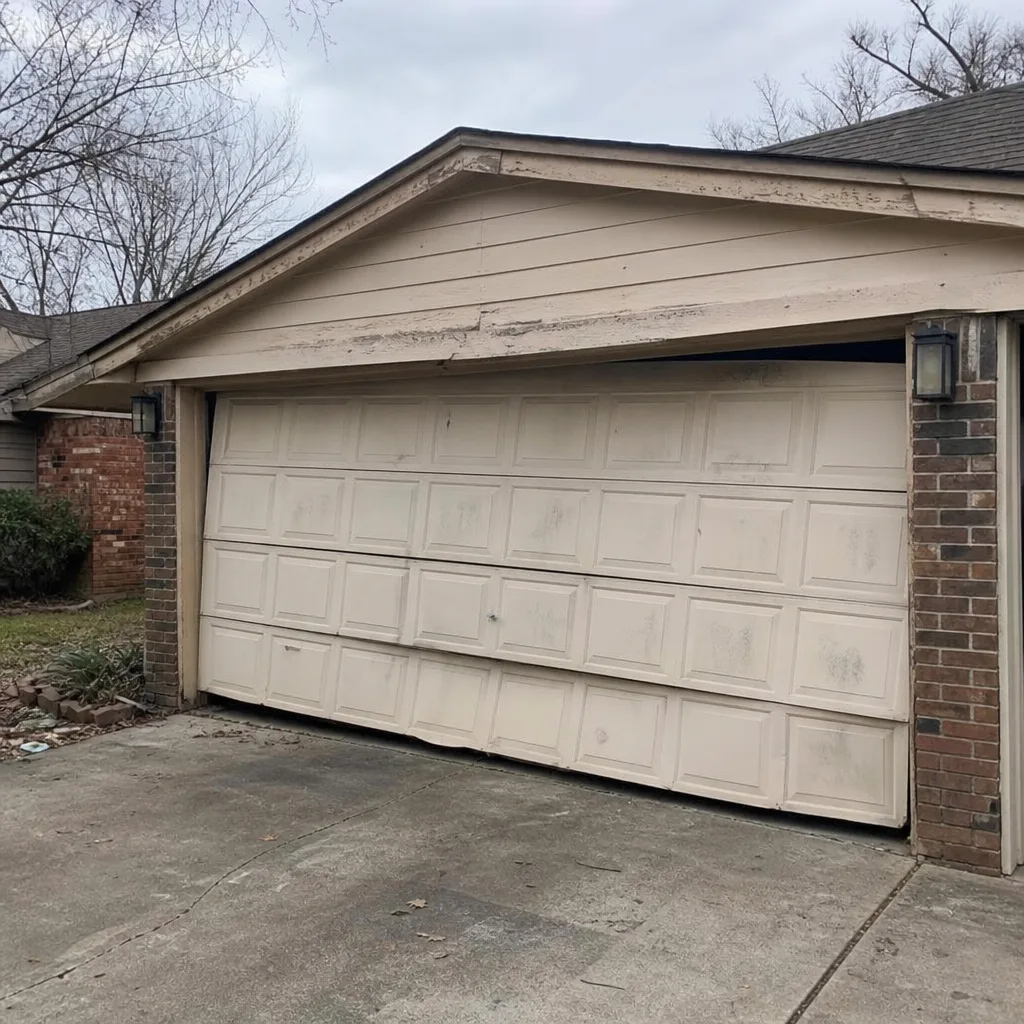 Before
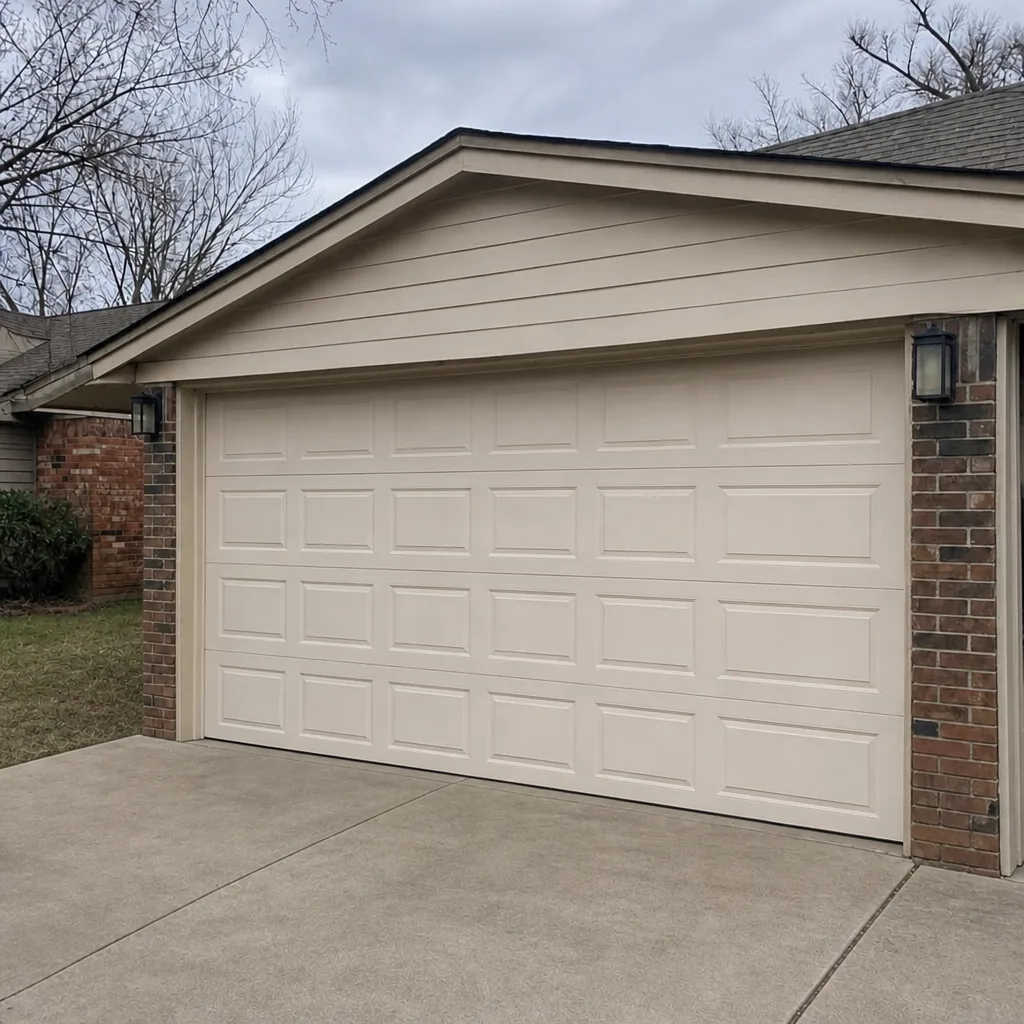 After
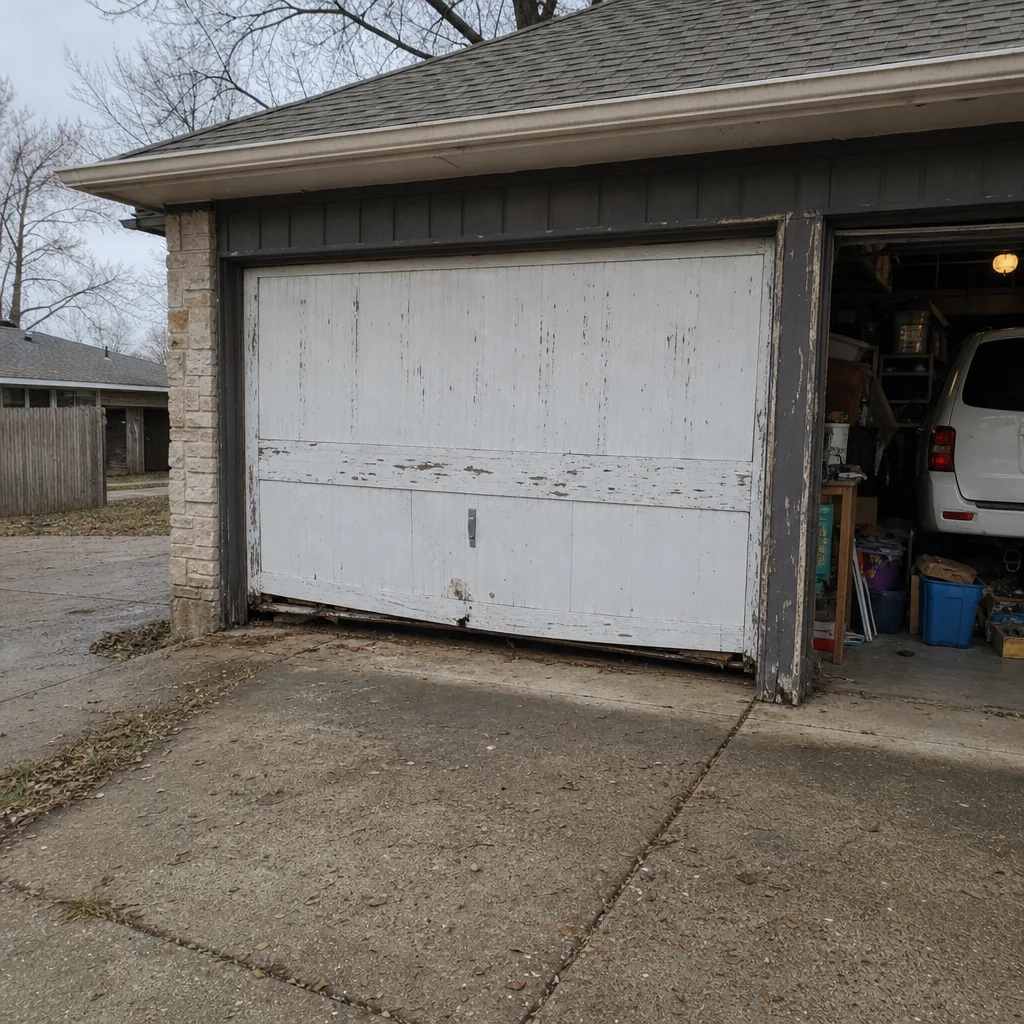 Before
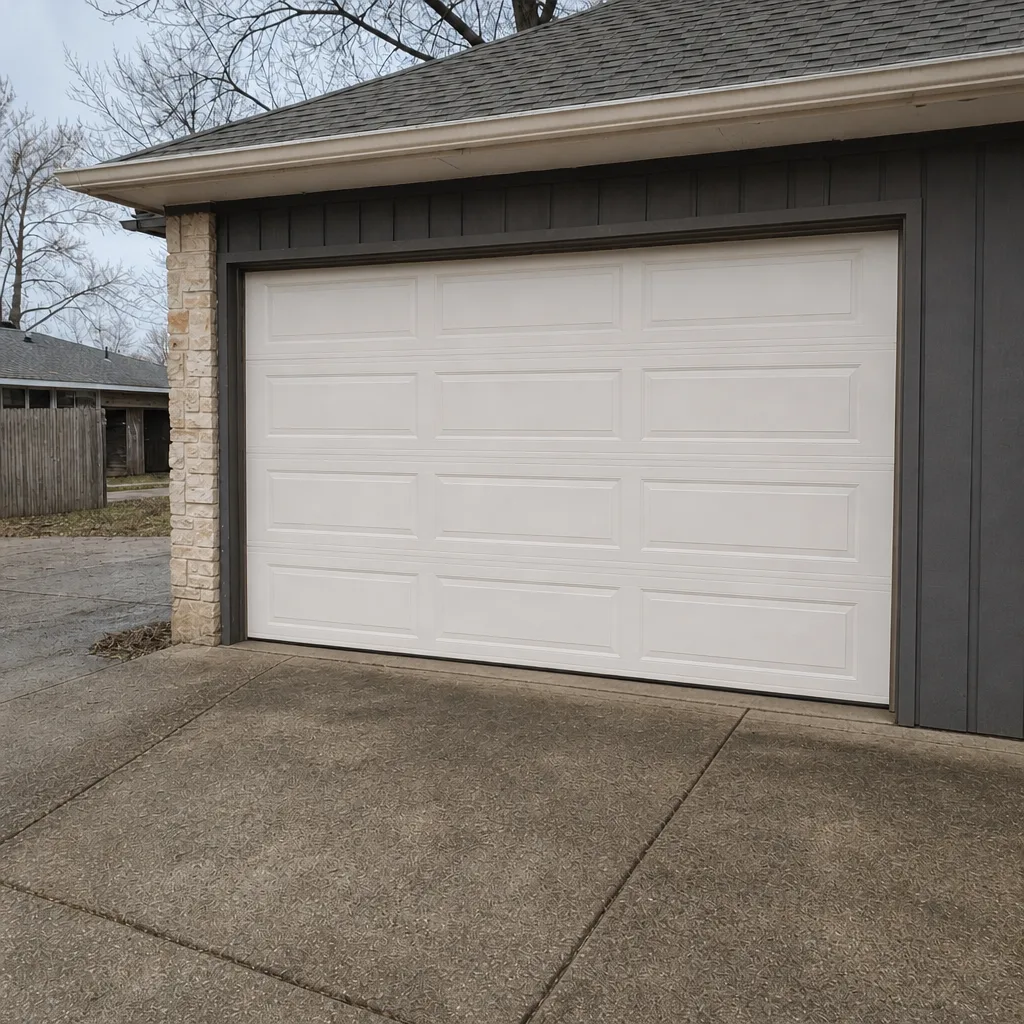 After
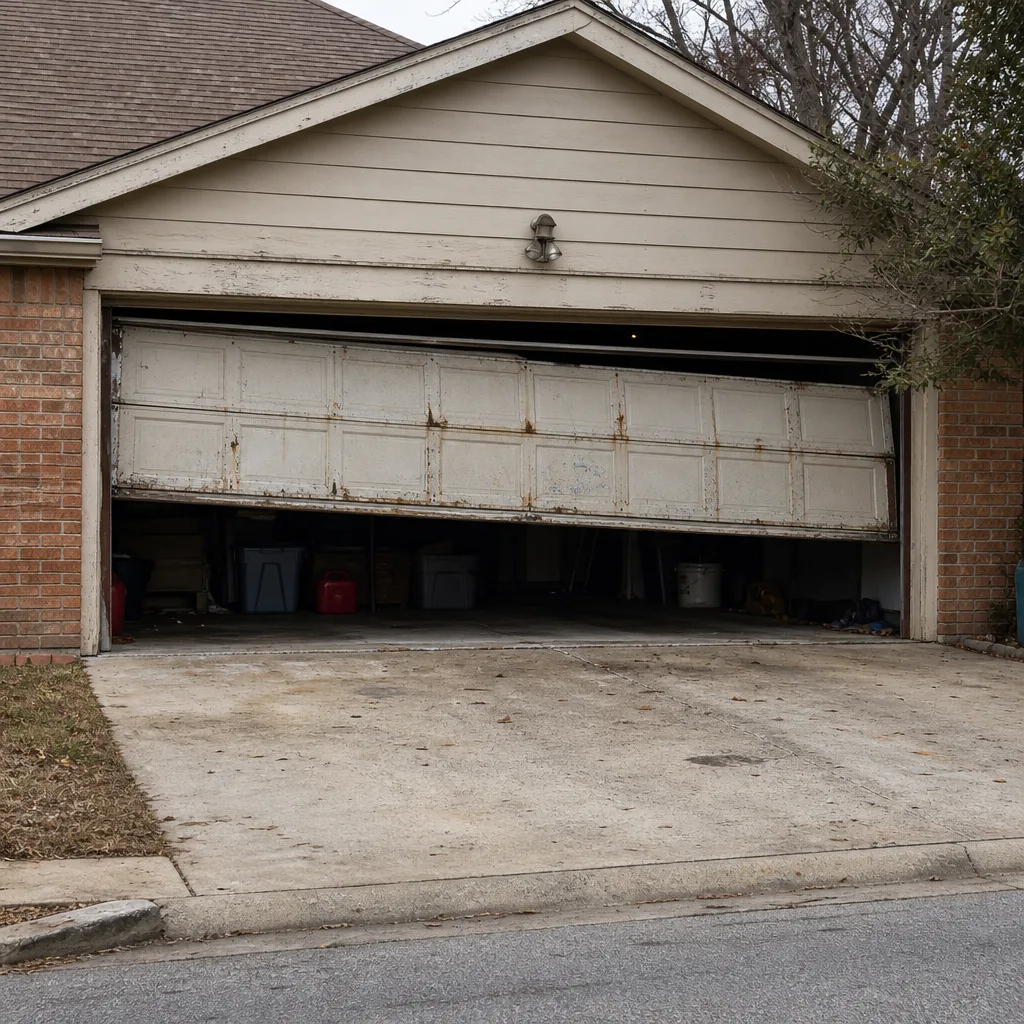 Before
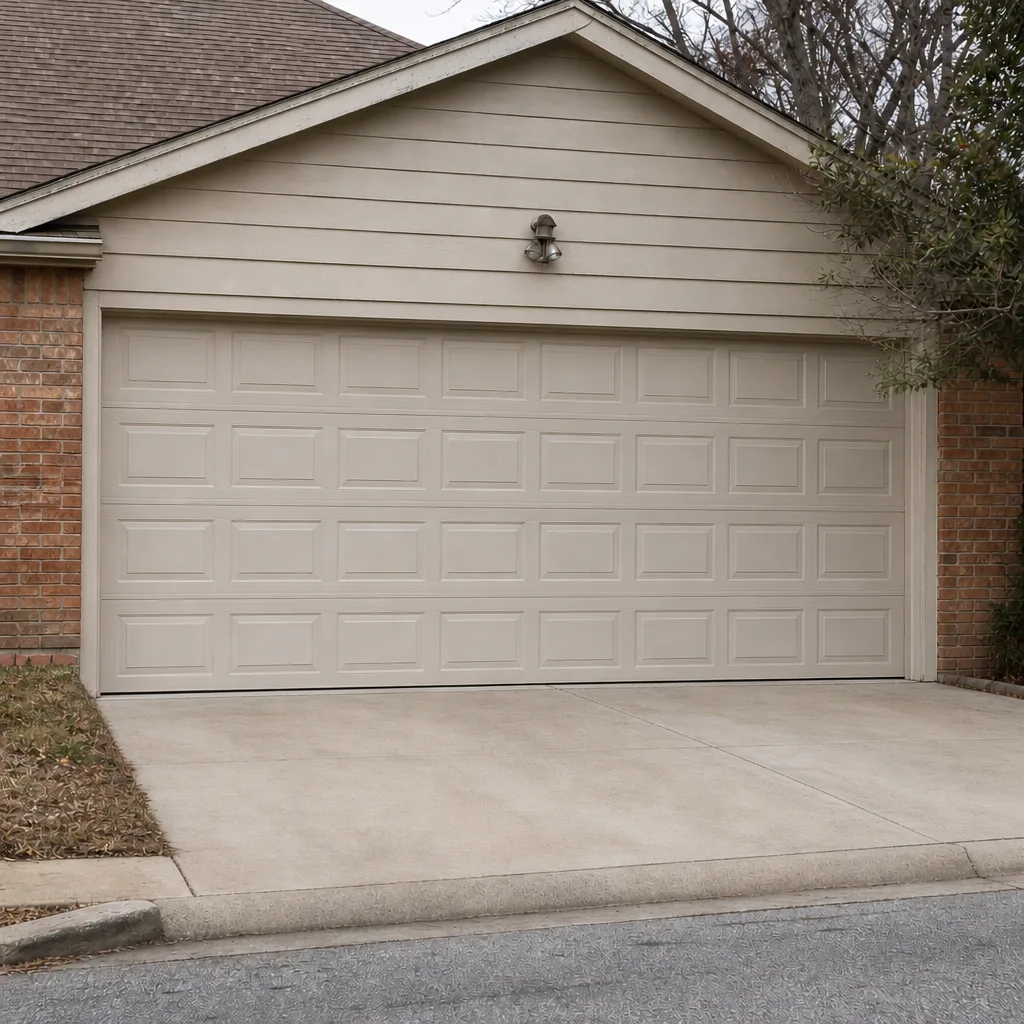 After
When to Call a Professional
Most garage door questions we get are straightforward: a broken spring, a door off its track, an opener that’s stopped responding, a door that reverses on its own. Those don’t need a permit, but they do need a technician who knows the specific system. Spring and cable work in particular is dangerous – the springs are under high tension and can cause serious injury if handled without the right tools and training – so we’d rather see that work done by a trained professional than by a homeowner with a YouTube video and a winding rod. Opener diagnostics, especially on Genie and Chamberlain systems where the fault can sit in the travel module or the logic board, is similar. The right fix usually costs less than the guesswork, and it lasts longer.
For new installations and replacements where a permit is involved, Morningstar Garage Door Repair offers free estimates in Broken Arrow. Call (844) 320-3275. We answer 24/7, with fast dispatch from 7am to 7pm, Sunday through Friday. We’ll come out, look at what you have, and give you a written estimate for the work – and if the project is a permit case, we’ll tell you before you commit. We handle repair, opener repair, and installation as three distinct services, so the same team can walk the door through its whole life rather than handing you off. Our technicians have up to 13 years of experience on the eight brands most Broken Arrow homes actually run: LiftMaster, Chamberlain, Genie, Clopay, Amarr, Wayne Dalton, Craftsman, and Raynor.
Frequently Asked Questions
Usually no, as long as the door goes into the same opening with the same dimensions and the structural header doesn’t change. That’s classified as like-for-like replacement and typically doesn’t need a permit in Broken Arrow. You need a permit when the opening size changes, the header or framing is modified, a new motorized door is installed on a new structure, or a fire-rated door between the garage and house is added or changed. Call Broken Arrow Development Services to confirm your specific project before ordering. If the door is damaged and needs repair rather than replacement, call (844) 320-3275 for a free estimate.
Adding a new fire-rated door, or changing the rating on an existing one, usually requires a permit because it’s part of the required separation between the attached garage and the living space under Oklahoma residential code. Replacing a walk-through door with another rated door of the same rating is a gray area and worth checking. The key point homeowners miss: the fire-rated door is the walk-through door between the garage and house, not the big overhead door at the front. If you’re not sure which door is which on your property, call (844) 320-3275 and we’ll help you sort it out.
If your neighborhood has an HOA with architectural review, yes – and it’s separate from city permitting. Communities including Broken Arrow Ranch and Forest Ridge run their own review covering door color, panel style, and sometimes manufacturer. Submit before the install, not after, because retroactive HOA approval is hard to obtain. Passing city permitting doesn’t cover the HOA, and passing the HOA doesn’t cover the city. For installation work across every major brand, call (844) 320-3275 for a free estimate.
Unpermitted work usually surfaces during a home inspection or title search when you sell, or when you refinance. The fix is a retroactive permit, an inspection, and corrections to anything that fails the code check. Depending on how the work was done, the corrections may be minor (a re-hung track, a re-tensioned spring) or structural. The remediation path is almost always more time and money than doing the work right the first time. If you’re facing this now, call (844) 320-3275 and we’ll take a look at the current state of the door.
It should, if the installation is done to code by a trained technician. Broken Arrow inspectors look at opening dimensions against the approved plan, header and framing, track plumb, door balance with the opener disconnected, reversal safety and photo-eye function, spring tension, and structural attachment of the track and opener. Getting those right on install day is what passes inspection. We work on LiftMaster, Chamberlain, Genie, Craftsman, and Raynor opener systems regularly, and the safety behavior of each is part of what we verify before we consider the install finished. Call (844) 320-3275 for a free estimate.
Either works, but the permit application should be filed by whoever takes responsibility for the install. In practice, most homeowners have the installer pull the permit, because the application needs the door model numbers and dimensions, and the installer needs to be on site for the inspection. If you pull it yourself, make sure the installer has the permit and the approved plan on site before work starts. The city won’t sign off on a job that doesn’t match the approved plan regardless of who pulled the permit. Call (844) 320-3275 for a free estimate on your install.
The Bottom Line
Most garage door replacements in Broken Arrow don’t need a permit. Like-for-like swaps, where the opening, header, and structure stay the same, sit outside the permitting requirement, and that covers the majority of what we see. The cases that do need a permit are the ones where things change: opening size, header framing, new structures, fire-rated doors between the garage and living space. Those are also the cases where skipping the permit creates a real problem at sale, sometimes three weeks before closing. Do two things before you order a door: describe the project to Broken Arrow Development Services and get their answer, and check with your HOA if your neighborhood has one. Two phone calls now save a much harder conversation later. And if the work is repair rather than replacement, none of this applies – call us and we’ll fix the door. Our Broken Arrow team handles repair, opener service, and installation across every system we work on. Call (844) 320-3275 for a free estimate. We answer 24/7, with fast dispatch from 7am to 7pm, Sunday through Friday.
Written by the team at Morningstar Garage Door Repair.