
Last updated November 15, 2026
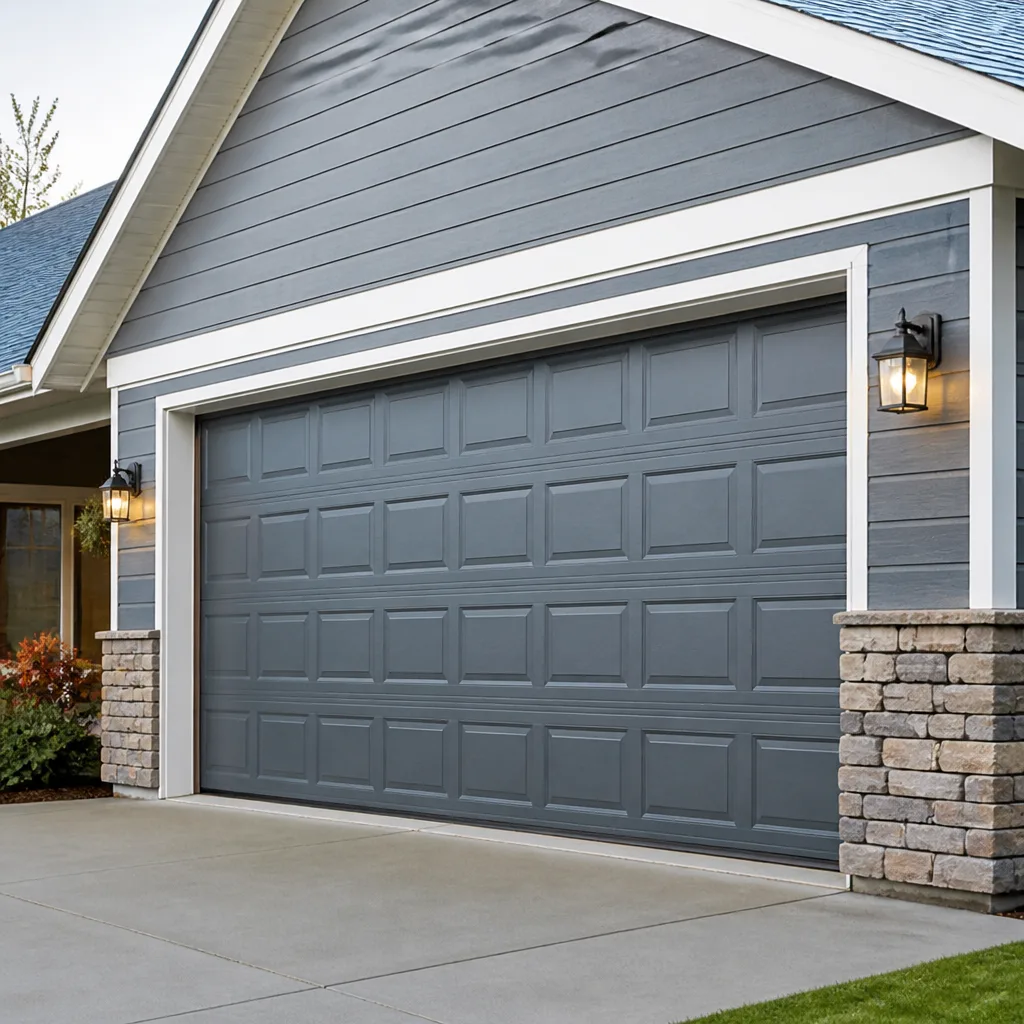 Raised-panel steel
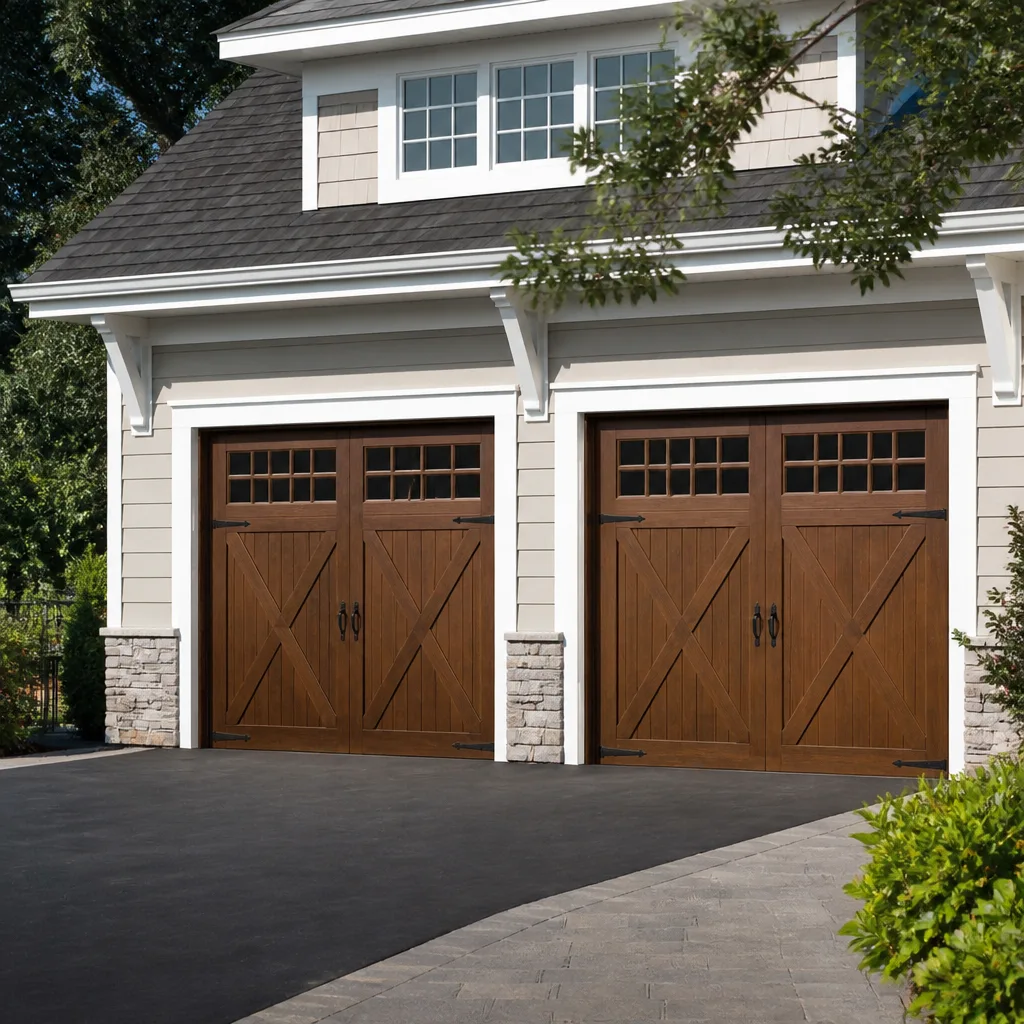 Carriage house
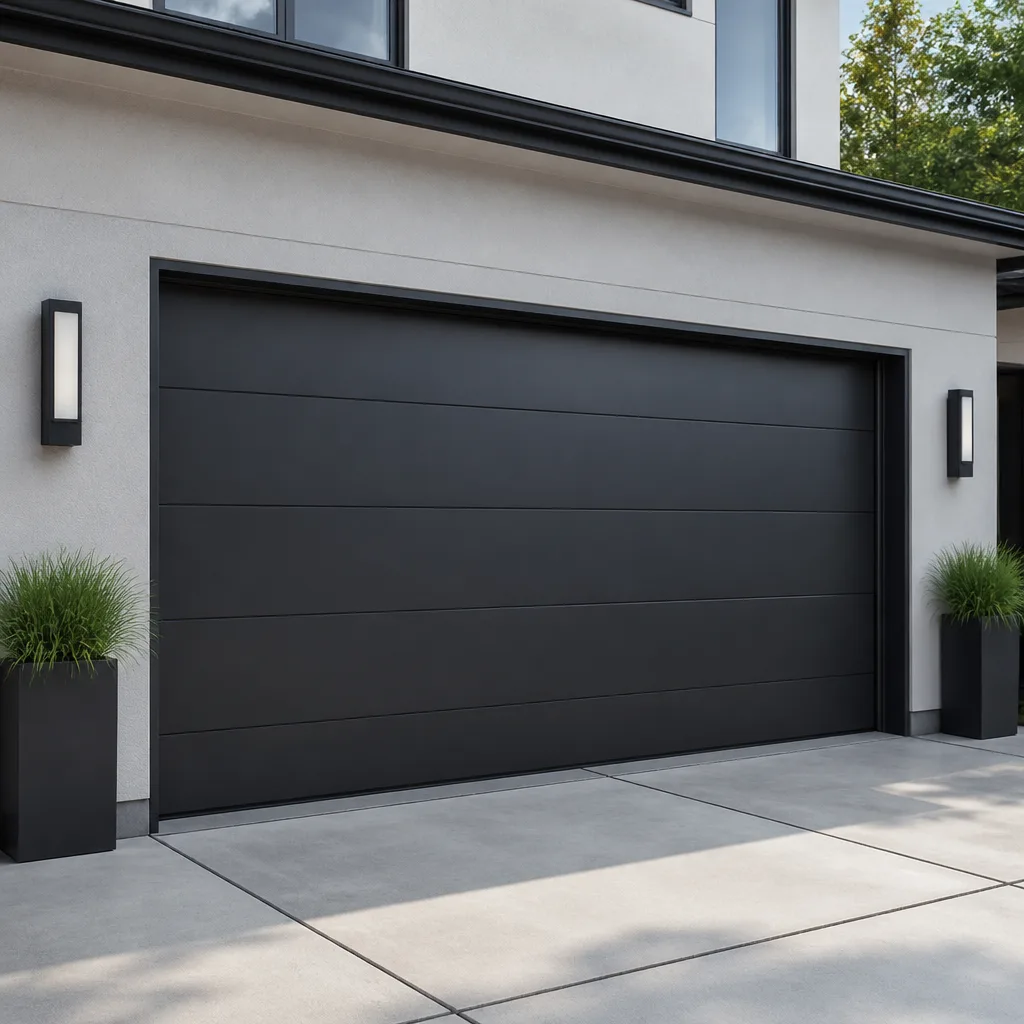 Modern flush
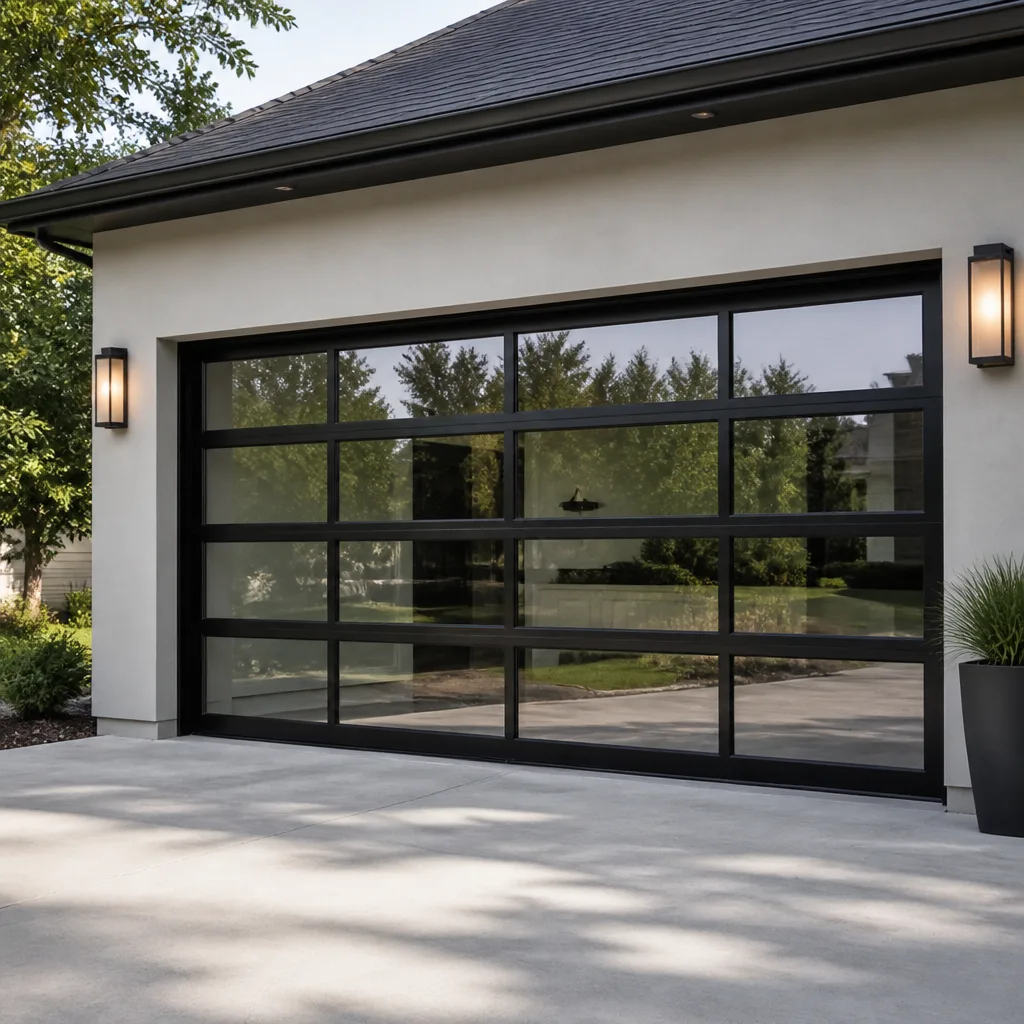 Full-view glass
 LiftMaster openers
 Chamberlain openers
Full 25-point door and opener safety check with every visit - springs, cables, rollers, tracks, and your LiftMaster or Chamberlain opener included
You get a price before we start. It does not change when the pro arrives.
Get your free estimateGarage Door Repair Maintenance Schedule: What to Do and When
Lubricating your garage door tracks is one of the most commonly recommended maintenance tips online – and it’s wrong. Tracks should stay dry. Grease on a track turns it into a magnet for grit, and once the rollers start sliding instead of rolling, the door racks sideways and the whole mechanism wears faster. Here’s the other part most schedules miss: a garage door doesn’t need monthly fussing. It needs about four tasks done at two specific points in the year, in the right order, on the right components. Get the sequence wrong and you accelerate the wear you were trying to prevent. This guide walks through the schedule we recommend for Broken Arrow homes, from the pre-summer heat check to the balance test that predicts spring failure months out.
Quick Answer
Service your garage door twice a year: in May, before the Oklahoma summer, and in October, before the cold snaps return. The May visit covers lubrication of hinges, rollers and springs, a hardware tightness pass, and a sensor check. The October visit covers balance and spring tension, weather seal condition, and a full safety reverse test. Between those two visits, a 30-second balance test once a month is the single best early warning you have.
Styles & brands we work with
- Raised-panel steel
- Carriage house
- Modern flush
- Full-view glass
- LiftMaster openers
- Chamberlain openers
Table of Contents
- Why Twice a Year Beats Monthly Maintenance
- The May Check: Pre-Summer Heat Maintenance
- The October Check: Pre-Winter Tension and Seals
- The Correct Lubrication Map
- The Balance Test That Predicts Spring Failure
- Component Lifespan: When Maintenance Stops Making Sense
- What to Log After Every Service Visit
- Common Mistakes to Avoid
Why Twice a Year Beats Monthly Maintenance
A garage door is a tensioned system, not a machine with fluids to change. There’s no oil to top off, no filter to swap. What wears is metal against metal, and what does the wearing is seasonal movement: heat expansion, cold contraction, and the humidity swings that come with an Oklahoma year. A door cycled four times a day in Broken Arrow goes through more than 1,400 cycles in a year, and each one works the same hinges, the same rollers, the same springs.
Monthly attention sounds diligent but usually means over-lubrication and unnecessary fiddling with tension hardware most homeowners shouldn’t touch. Twice a year, timed to the seasons, lets you catch wear right before the conditions that stress it. May gets you ahead of the heat. October gets you ahead of the cold.
There’s a practical side too. A door that sees two focused visits a year gets inspected properly, which means small problems surface while they’re still small. A worn hinge or a frayed cable spotted in May is a quick fix. The same wear discovered in August, when the door has been grinding through 100-degree days, is usually a bigger repair. One call covers garage door repair when something has already gone wrong, but regular maintenance is how you keep that call from happening on a bad day.
The May Check: Pre-Summer Heat Maintenance
May is the right month in Broken Arrow because the door is about to work through the hardest stretch of its year. Garage doors in this part of Oklahoma face summer heat that softens seals, expands metal, and makes springs and opener motors work harder than they do in spring. The May check is about getting everything in condition before that stretch starts.
Here’s what the May visit should cover, in order:
- Wipe down and inspect the track. Look for grit, dents, and loose mounting brackets. Leave the track dry. If it’s visibly grimy, wipe it with a damp cloth and dry it off.
- Lubricate the moving joints. Hinges, roller stems, and springs get a light lithium grease. The track itself does not.
- Check hardware tightness. Brackets and hinge bolts loosen over a winter of cycles. Snug them, don’t overtighten.
- Test the safety reverse. Put a piece of wood flat on the floor in the door’s path. The door should reverse on contact. If it doesn’t, that’s an adjustment no one should skip.
- Inspect the bottom seal. Heat is about to hit it. A cracked or flattened seal lets in water and pests and puts extra load on the door.
- Check the opener’s force and travel settings. This is opener territory, and Genie and LiftMaster systems in particular have specific adjustment procedures. If the door slows or reverses partway through travel, it’s usually a setting or a sensor, not a motor failure.
The May check catches most of what a Broken Arrow summer would otherwise turn into a repair. It’s also when we recommend a full professional inspection if your door hasn’t been serviced in a while – our technicians have up to 13 years of experience with systems across the eight major brands, so they can read the wear on your specific door rather than guessing at it.
The October Check: Pre-Winter Tension and Seals
October is when the door starts facing the opposite problem. Cold contracts metal and stiffens grease, so a door that ran smooth in September can develop a groan or a slow spot by November. The October check is built around tension and sealing, and it’s the visit where you slow down and look at the springs and cables.
What belongs in the October visit:
- Balance test first. Pull the release and lift the door halfway by hand. It should hold there with light effort. If it drops, climbs, or feels heavy, the spring tension needs attention from a trained technician.
- Inspect cables and drums. Look for fraying, kinks, or slack. Cables are under extreme tension and are not a homeowner adjustment.
- Check spring condition. On torsion springs, look for gaps or a stretching coil. On extension springs, check the safety containment. A tired spring in October becomes a snapped spring in January.
- Seal check. Bottom seal, side seals, and the top weatherstrip. Cold air and moisture get in through gaps, and a stiff seal drags on the door.
- Full safety reverse test on both the contact and the photo-eye sensor. Cold weather is when sensor misalignment shows up most often.
- Opener inspection. Listen for strain in the motor, check the belt or chain tension, and test the wall control and remotes.
Most of the October list is inspection, and that’s deliberate. Springs and cables carry the energy that makes a garage door dangerous to work on, so the homeowner’s job is to notice change, not to adjust tension. If something looks off, that’s when you call for garage door opener repair or a spring assessment rather than reaching for a wrench.
The Correct Lubrication Map
Here’s the part almost every online guide gets wrong. Lubrication on a garage door is targeted, not general. Some components need it; others are damaged by it. This map is the one we use when servicing a door in Broken Arrow, whether it’s a Clopay steel door or an older Wayne Dalton.
Components that get lithium grease:
- Hinges – a small dab at each pivot point
- Roller stems and bearings – a drop where the roller meets the stem
- Torsion springs – a light coat along the coil (not the cable)
- Extension spring coils – a light coat on the coil only
- Lock and handle mechanisms – a light application if your door has them
Components that should never be lubricated:
- Tracks – keep them dry. Grease collects grit and makes rollers slide.
- Bottom seal – grease degrades the rubber and attracts dirt that wears it further.
- Cables – grease on cables attracts grit that gets into the drum and accelerates fraying.
- Photo-eye lenses – a clean, dry cloth only. Never spray anything into the sensors.
A note on grease type: lithium grease is the standard because it holds up to temperature swings without getting gummy in heat or rock-hard in cold, which matters in a climate that swings from July heat to January cold in the same year. Avoid WD-40 as a lubricant, and avoid silicone sprays on metal-on-metal contact points. They feel smooth for a week and then dry out. One tube of grease covers both annual visits, and the whole lubrication pass takes about fifteen minutes.
The Balance Test That Predicts Spring Failure
If you do one thing between the May and October visits, do this test once a month. It takes about 30 seconds, it needs no tools, and it’s the earliest warning you’ll get that a spring is on its way out.
How to run it:
- Close the door and pull the release cord to disconnect the opener.
- Lift the door by hand to about halfway open.
- Let go. Watch what happens for three seconds.
How to read the result:
- Door stays put: balance is good. Springs are carrying the weight correctly.
- Door drifts down easily: spring tension is low. On a torsion system this usually means the spring is losing force; on extension springs it could be a stretched spring or a misadjusted one.
- Door wants to rise on its own: spring tension is too high. This is harder on the opener and can stress the panels.
- Door feels heavy enough that you have to strain: stop. Reconnect the opener and call a technician. Don’t try to lift it further.
Why this works: a garage door spring is a counterbalance. It’s designed to hold a weighted door so your opener only has to nudge it. When the spring loses tension, the door feels heavier, and the opener starts working overtime. A monthly balance test in Broken Arrow catches that drift early, and a spring that’s slowly losing tension in May is one you can plan for rather than one that snaps a cable in August.
A word of warning, and it’s a serious one. Torsion springs and cables live under very high tension, and the failure mode is sudden and violent. There’s no safe field adjustment, no trick, no YouTube shortcut. If the balance test says something is off, call a trained technician. That’s the boundary between homeowner maintenance and professional repair, and crossing it is how people get hurt.
Component Lifespan: When Maintenance Stops Making Sense
There’s a point where maintenance becomes a treadmill, and knowing the component benchmarks helps you decide when to stop repairing and start planning a replacement. These figures are typical ranges for residential doors, not guarantees. Usage matters – a door cycled a dozen times a day wears faster than one cycled twice.
- Extension springs: roughly 7 to 10 years under average use. A high-cycle door can go through them faster.
- Torsion springs: roughly 10 to 15 years with standard cycles. Heat and humidity cycles in Oklahoma tend to push toward the shorter end.
- Rollers: 5 to 7 years for steel rollers; nylon rollers last longer.
- Hinges: 5 to 10 years depending on load and lubrication.
- Bottom seal: 3 to 5 years before it hardens and cracks.
- Opener motor: 10 to 15 years for a belt-drive or chain-drive unit.
- Door panels: 15 to 20 years if the finish is maintained and the hardware stays aligned.
Where maintenance stops making sense is when you’re facing multiple failures at once on a door that’s already past these marks. A 15-year-old door with a cracked panel, a failing opener, and tired springs is usually a replacement decision, not a repair decision. Newer Clopay and Amarr doors have updated insulation and hardware that change the math on that. If you’re weighing it, a free estimate is a good place to start rather than guessing. Morningstar Garage Door Repair handles repair, opener service, and full installation, so you don’t have to route yourself to a second company if the answer turns out to be “replace it.”
What to Log After Every Service Visit
Most homeowners don’t keep a garage door log, and it costs them later. When you call for a repair or file a parts warranty claim, the first question is almost always about history: what’s been replaced, when, and by whom. A one-page log answers that in thirty seconds.
What to record after each service visit (yours or a technician’s):
- Date and what was done. Lubrication, adjustment, part replacement, repair.
- Parts by name and brand. “Right torsion spring, Wayne Dalton” or “LiftMaster belt and idle pulley” is far more useful than “spring fixed.”
- Cycle count if your opener tracks it. Some Genie and LiftMaster models log cycles, which makes lifespan math much more accurate.
- What the technician flagged but didn’t fix. These are the things the next visit should check.
- Any warranty terms. Which parts, for how long, and what voids it.
That log pays off in two places. When you get a repair quote and the technician can see what’s been replaced, you avoid paying for a second diagnosis of the same problem. And when a part fails inside its warranty window, the brand-specific record makes the claim straightforward. If you’re not sure how to start, a free estimate from Morningstar Garage Door Repair is a good way to get a baseline on your door’s current condition so your log starts with accurate information.
Common Mistakes to Avoid
- Lubricating the tracks. This is the number one mistake. It makes rollers slide instead of roll, collects grit, and wears the door faster than doing nothing at all.
- Greasing the bottom seal. Grease breaks down the rubber and attracts dirt. A dry seal lasts longer, and when it cracks, replace it rather than coat it.
- Adjusting torsion springs yourself. These are under extreme tension and can fail violently. Any tension adjustment is a technician job, full stop.
- Skipping the balance test between visits. Most homeowners never run it, which is why spring failures always seem sudden. They aren’t – the door has been drifting for months.
- Over-tightening hardware. A snug bolt is right; a cranked bolt strips threads and warps brackets. Hand tight plus a small turn is usually correct.
- Using a general-purpose oil on hinges and rollers. Light oils dry out in the summer heat and attract grit. Lithium grease is the correct product here.
- Ignoring a change in sound. A door that groans, grinds, or squeaks on the same panel every cycle is telling you something. That noise is the earliest signal, often weeks before anything breaks.
See the difference
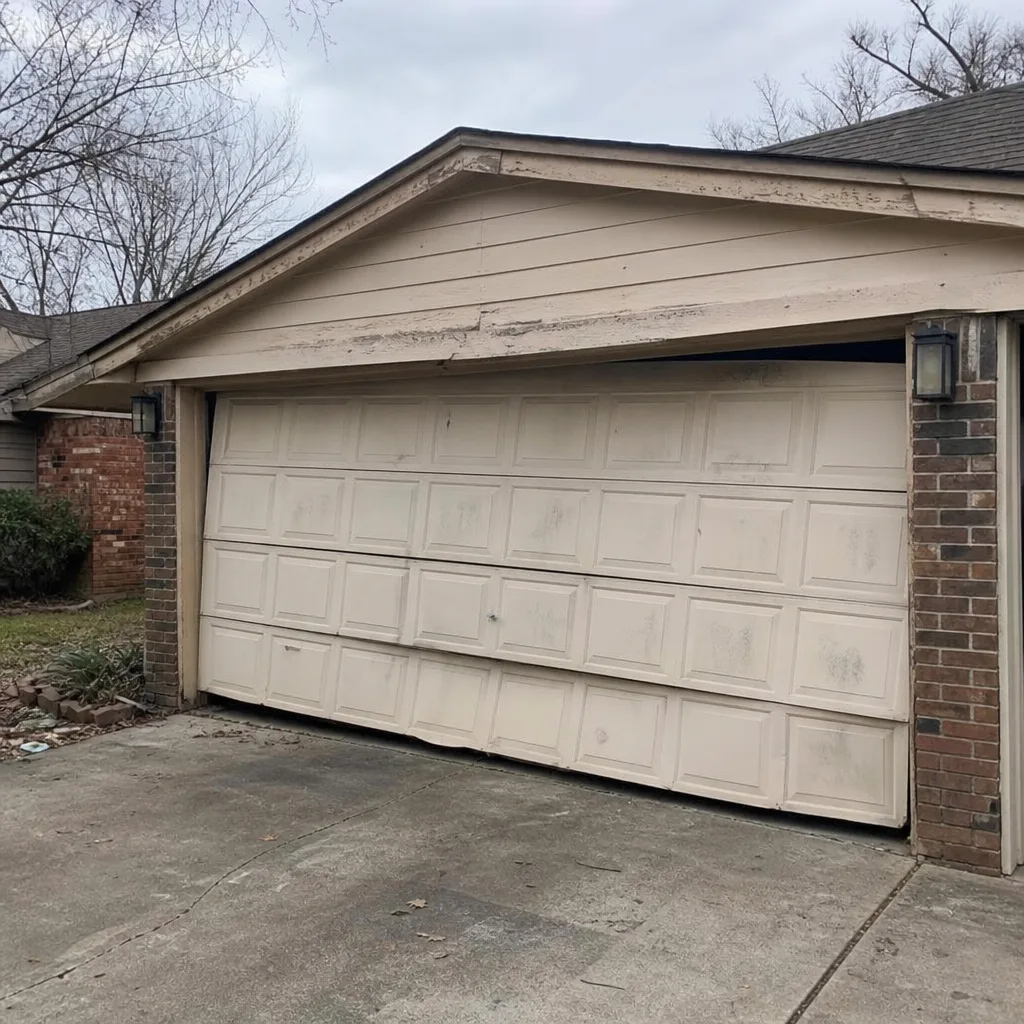 Before
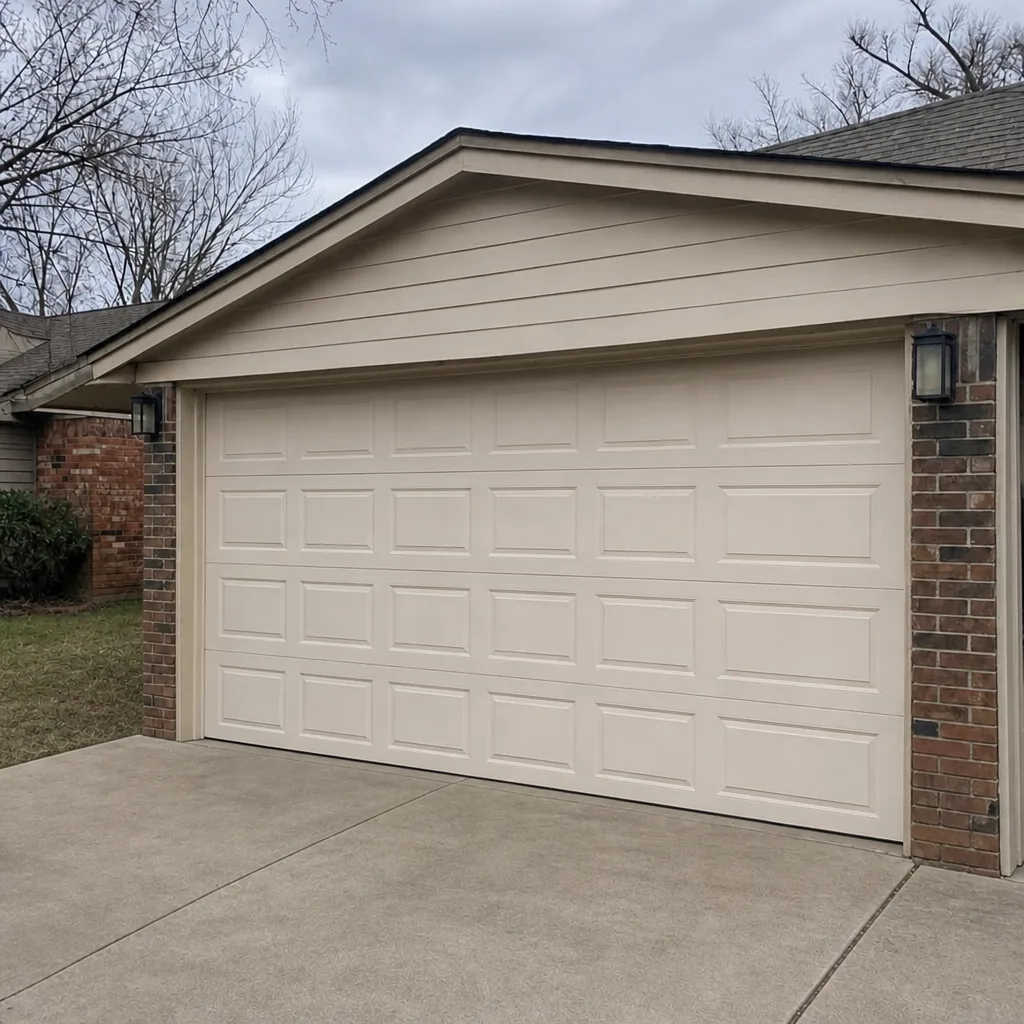 After
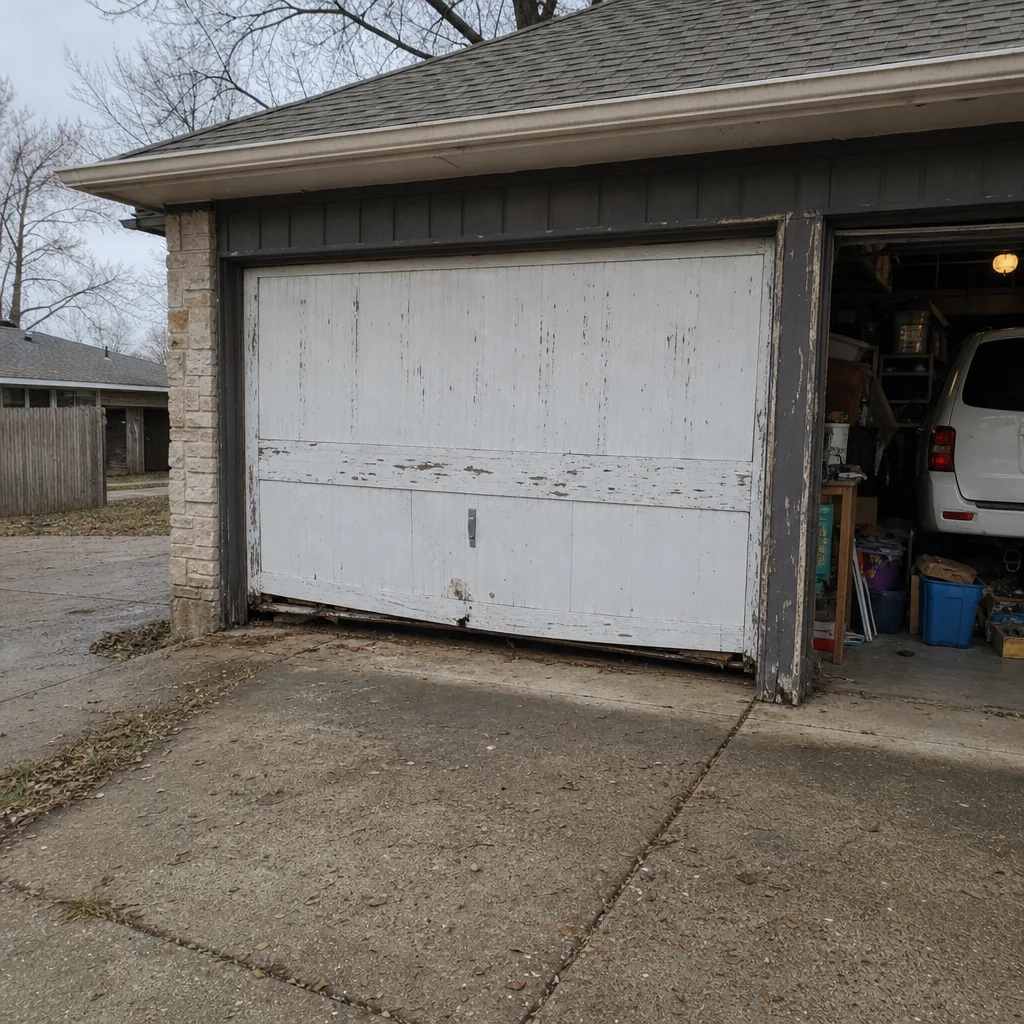 Before
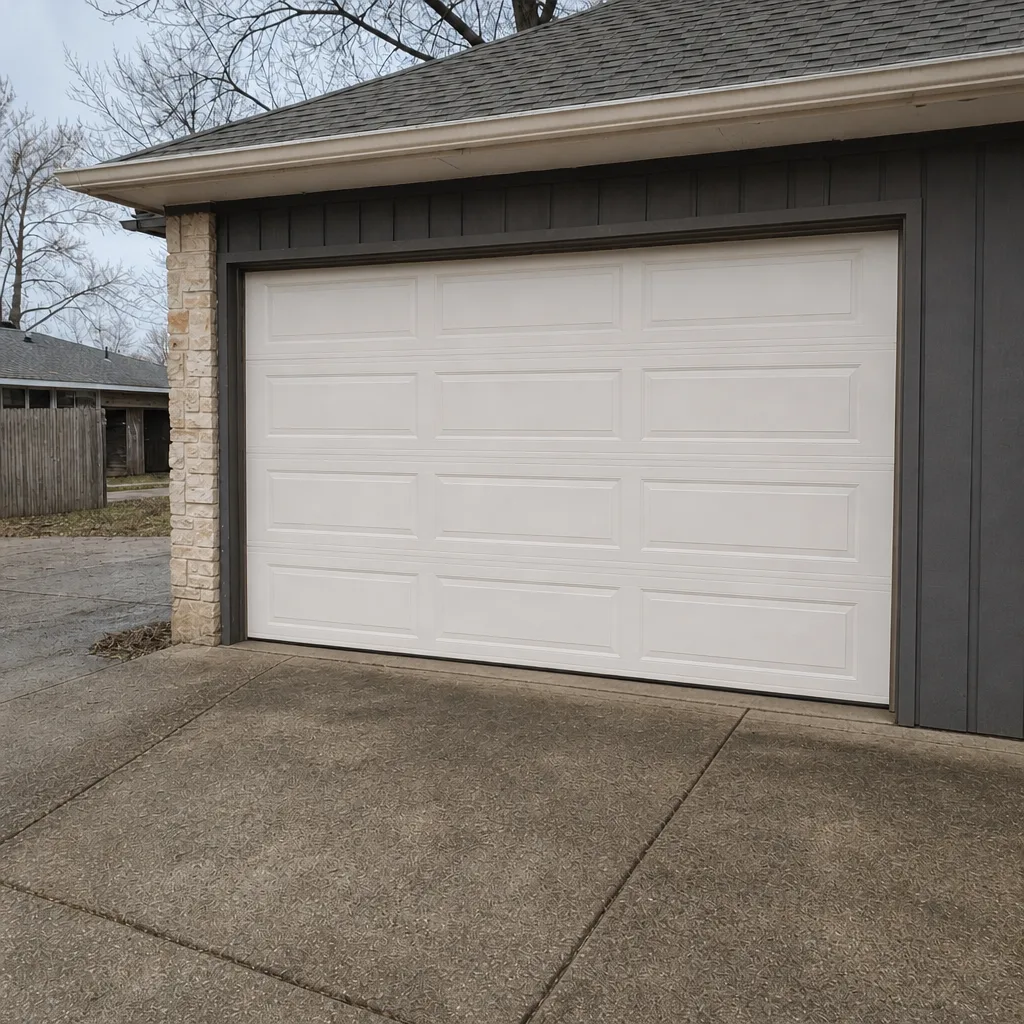 After
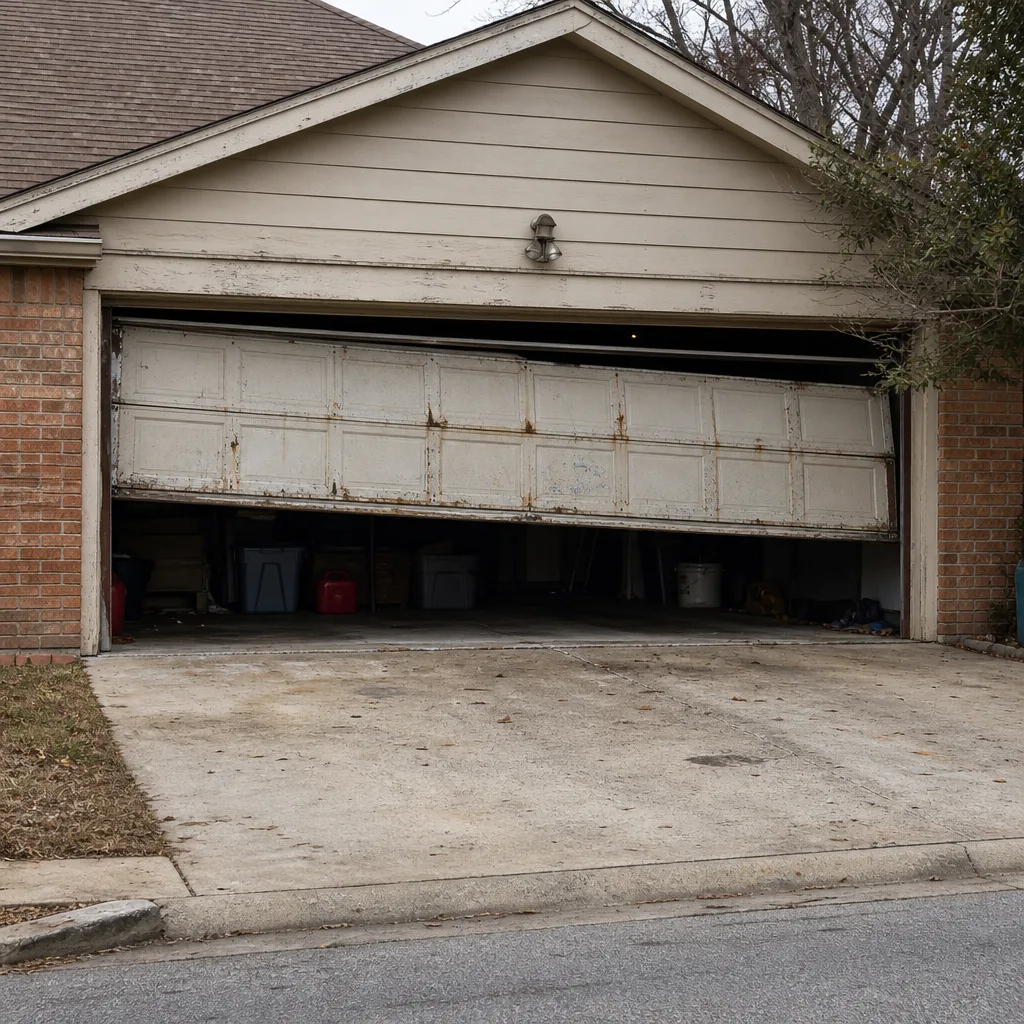 Before
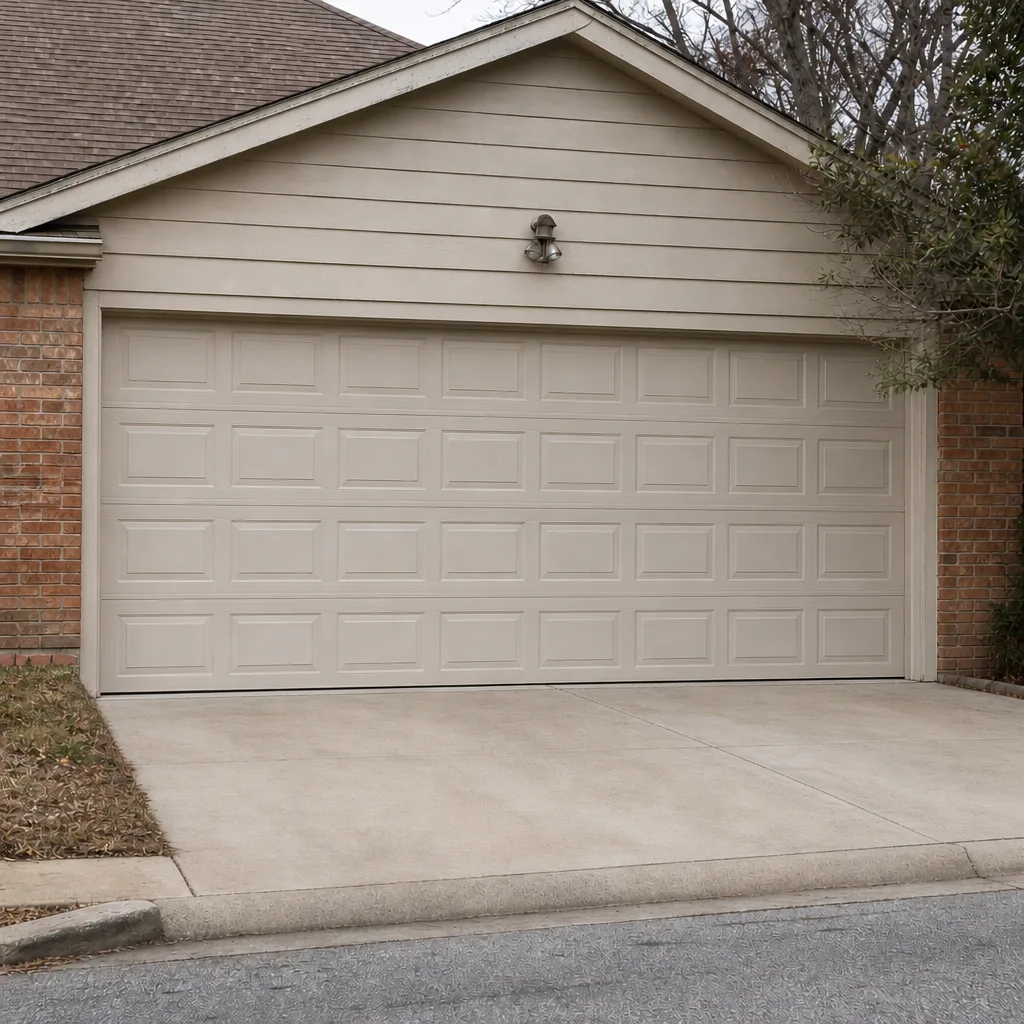 After
When to Call a Professional
Some of this schedule is homeowner work, and some of it isn’t. Call a trained technician if the balance test shows drift (either direction), if you see fraying or slack in the cables, if the door reverses erratically or doesn’t reverse at all, if the opener strains or stalls, if the door comes off level or binds in the track, or if you hear a loud pop from the spring area. Also call if your door is more than ten years old and hasn’t had a professional inspection – a technician can read wear that isn’t visible to the homeowner. Springs and cables are dangerous to work on, and opener diagnostics on smart systems like LiftMaster and Chamberlain require brand-specific knowledge to avoid replacing parts that aren’t the problem. Morningstar Garage Door Repair offers free estimates in Broken Arrow – call (844) 320-3275. We answer 24/7. Fast dispatch from 7am to 7pm, Sunday through Friday.
Frequently Asked Questions
Twice a year, with the most useful timing being once in spring before summer heat and once in fall before cold weather. The May and October checkpoints cover the seasonal stress points, and a monthly balance test in between catches spring drift early. Monthly full servicing is more than most residential doors need.
No. Tracks should stay dry. Lubricant on a track collects grit and causes rollers to slide rather than roll, which wears the door faster. Lubricate the hinges, roller stems, and springs with a light lithium grease, and wipe the tracks clean and leave them dry.
It usually means the spring tension is off. A door that drifts down has low tension and is heading toward spring failure; a door that rises on its own has too much tension. Either way, that’s a technician call, not a homeowner adjustment. Springs are under extreme tension and require proper tools and training to adjust safely.
Most likely, yes. We work on LiftMaster, Chamberlain, Genie, Clopay, Amarr, Wayne Dalton, Craftsman, and Raynor systems, which covers the large majority of residential doors in Broken Arrow. If you’re not sure of your brand, the model number on the opener or a photo of the door is usually enough for us to identify it.
Typical ranges are 7 to 10 years for extension springs and 10 to 15 years for torsion springs under standard use. Broken Arrow’s heat and humidity swings tend to push springs toward the shorter end of those ranges, and doors that cycle many times a day wear faster still. A monthly balance test is the best way to see it coming.
It reduces the odds and gives you warning, but it doesn’t stop wear. Springs and rollers are consumable parts with finite cycles. What regular maintenance does is surface problems early, so a worn hinge or a losing spring gets handled on your schedule rather than as an emergency. Call (844) 320-3275 for an exact quote – estimates are free.
The Bottom Line
Garage door maintenance is two focused visits a year, not a monthly chore. Time the first to May for lubrication, hardware, and safety reverse; time the second to October for balance, spring condition, and seals. Keep the tracks dry, keep the hinges, rollers, and springs greased with a light lithium grease, and run the 30-second balance test once a month to catch spring drift long before it fails. Log every service and every part, and know the lifespan ranges so you can tell when repair stops making sense. That’s the whole schedule, and it’s the one we recommend to every homeowner in Broken Arrow.
If you’d rather have a trained eye on your door than run through it yourself, Morningstar Garage Door Repair handles repair, opener service, and new door installation across all eight of the major brands. Call (844) 320-3275 for a free estimate. We answer 24/7. Fast dispatch from 7am to 7pm, Sunday through Friday. Whether you’re in Broken Arrow or nearby, Broken Arrow homeowners can get a written price before any work starts, so there’s no guesswork on the invoice.
Written by the team at Morningstar Garage Door Repair.