
Last updated November 15, 2026
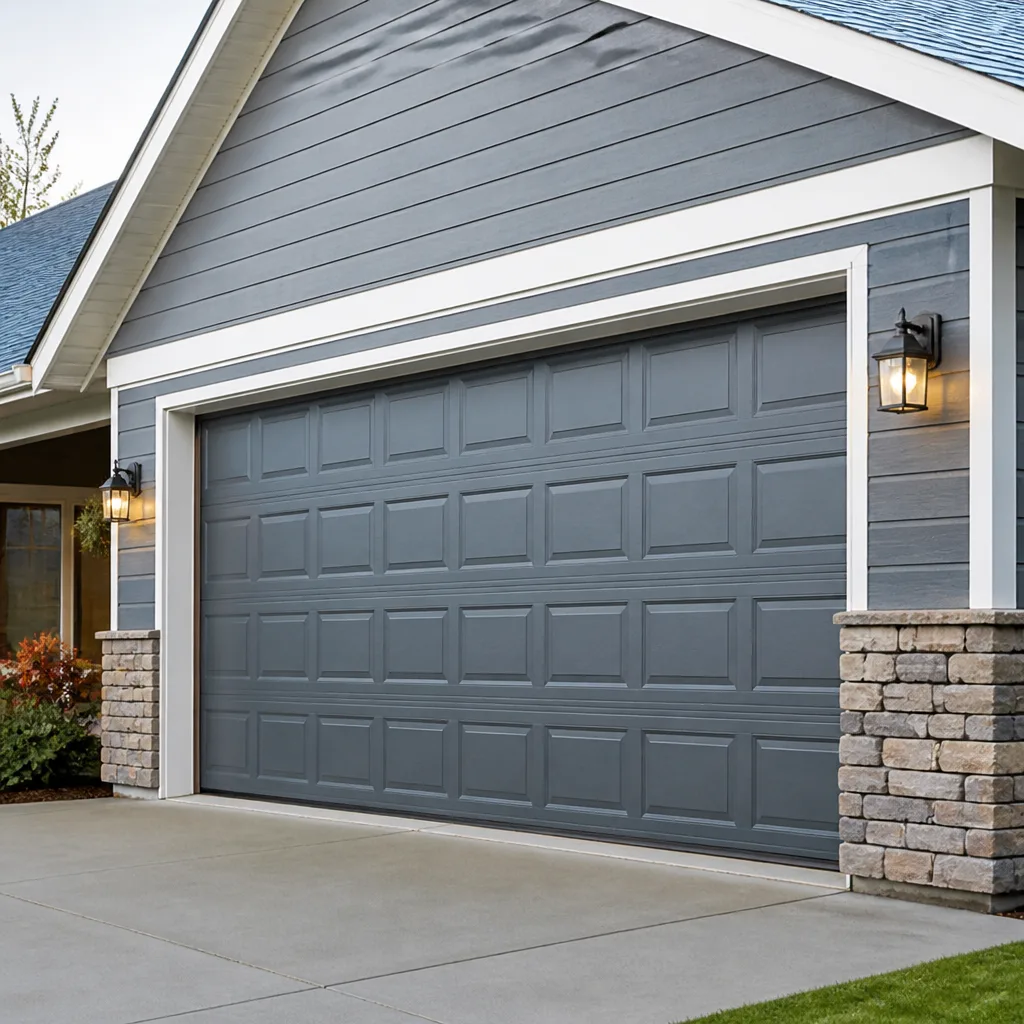 Raised-panel steel
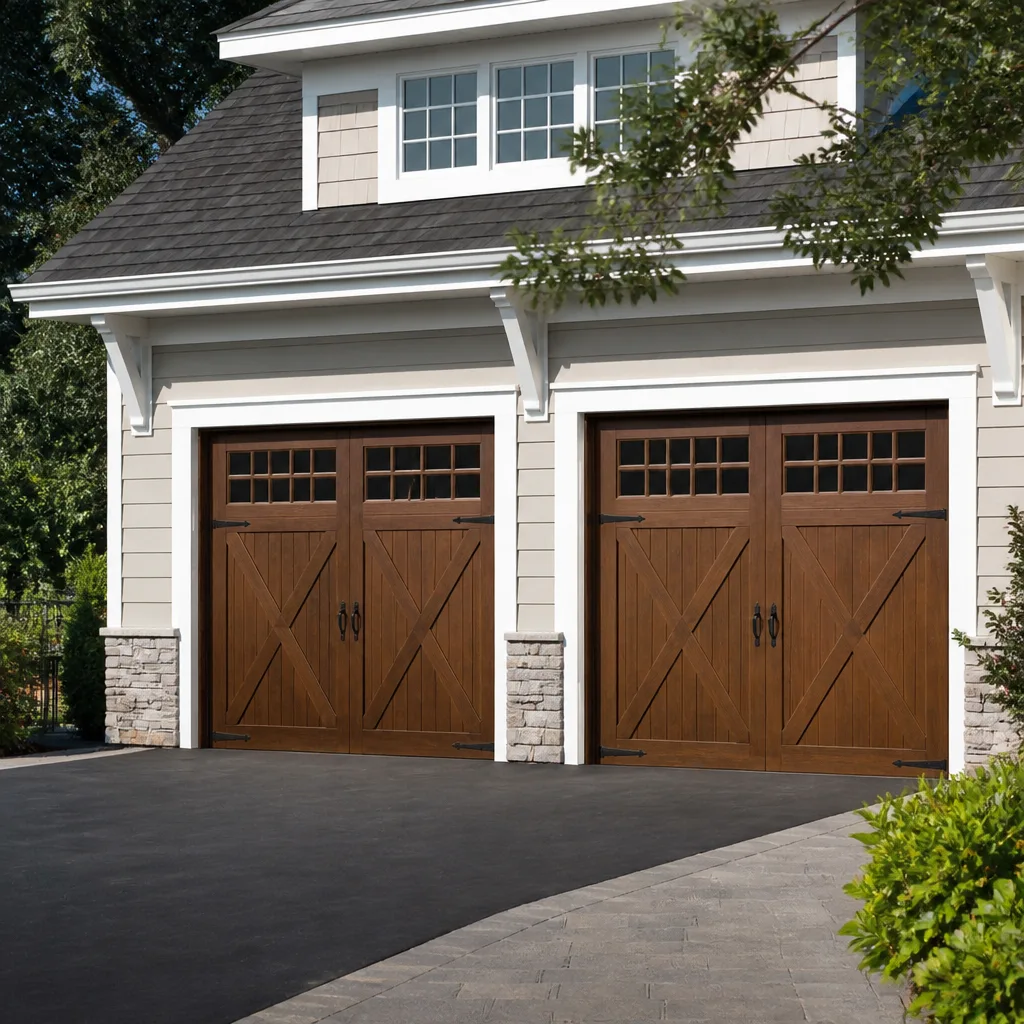 Carriage house
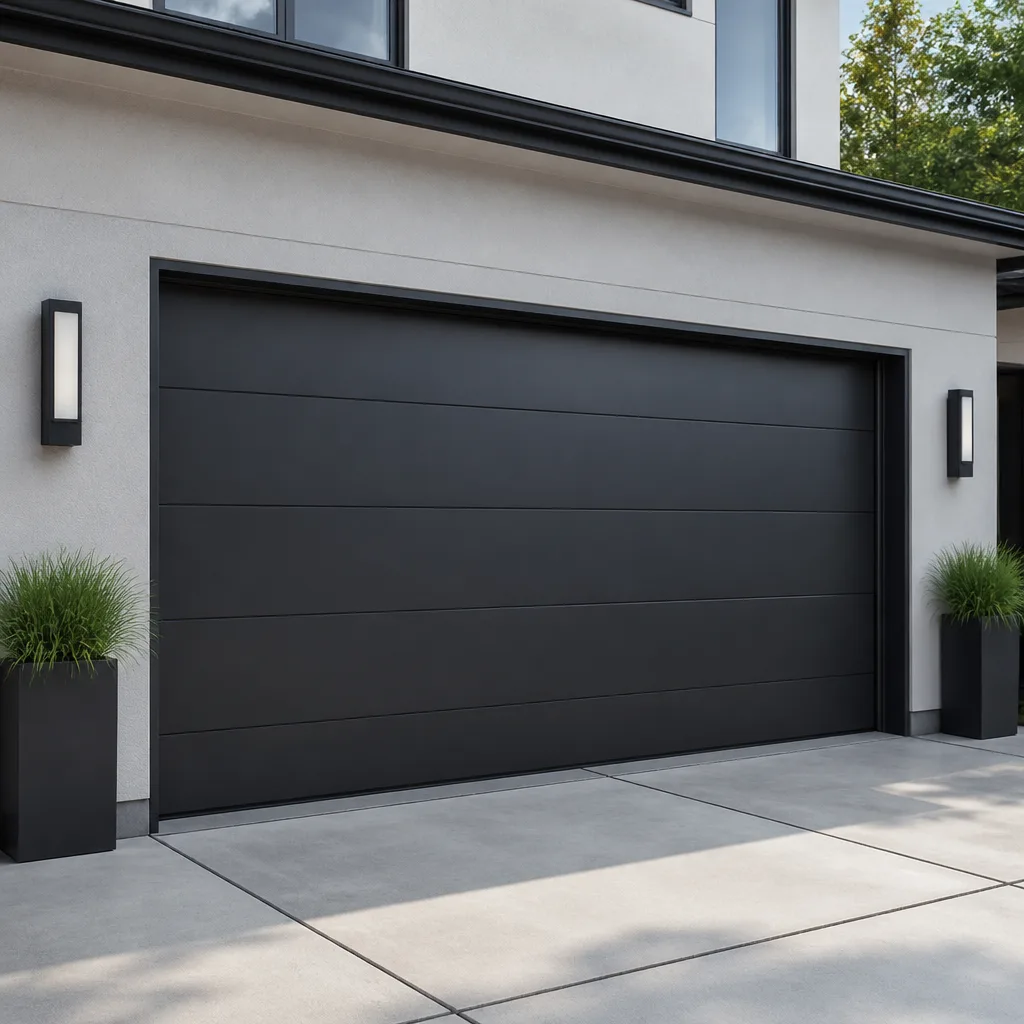 Modern flush
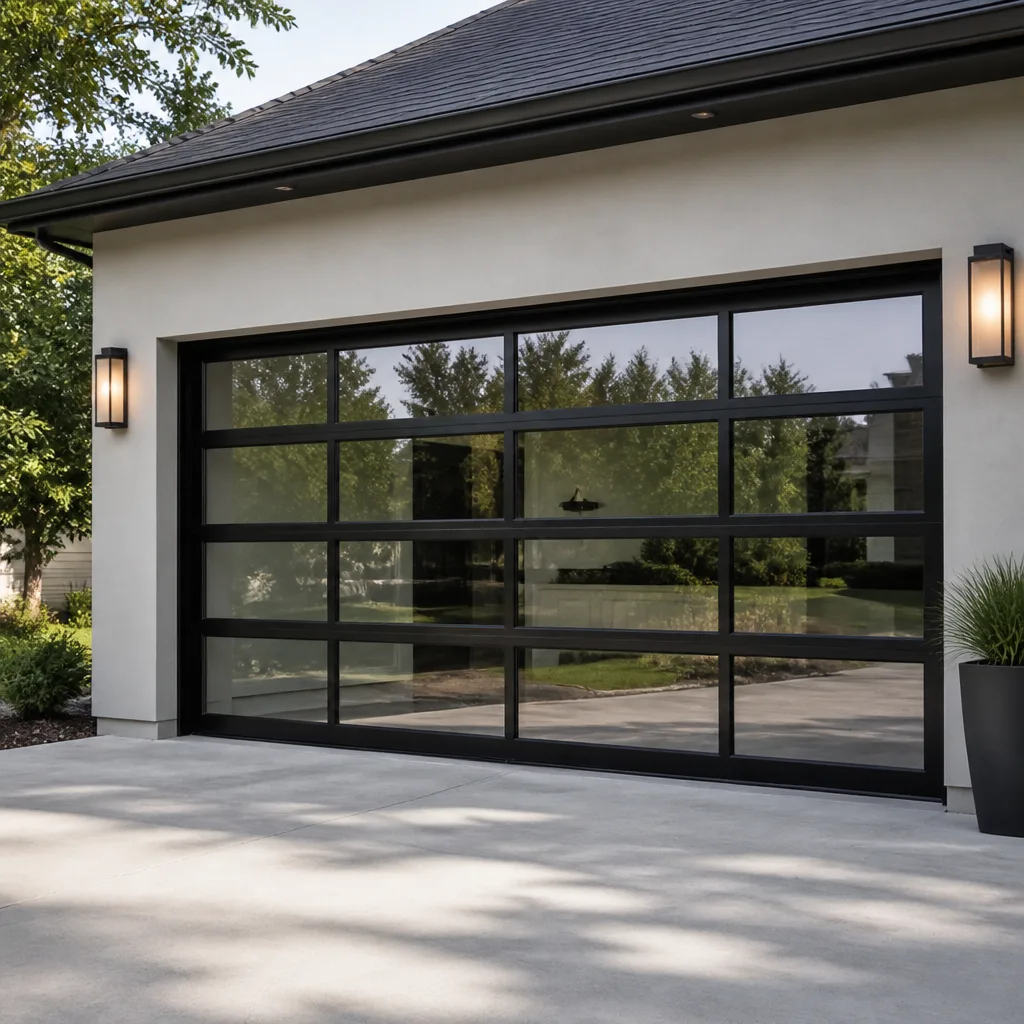 Full-view glass
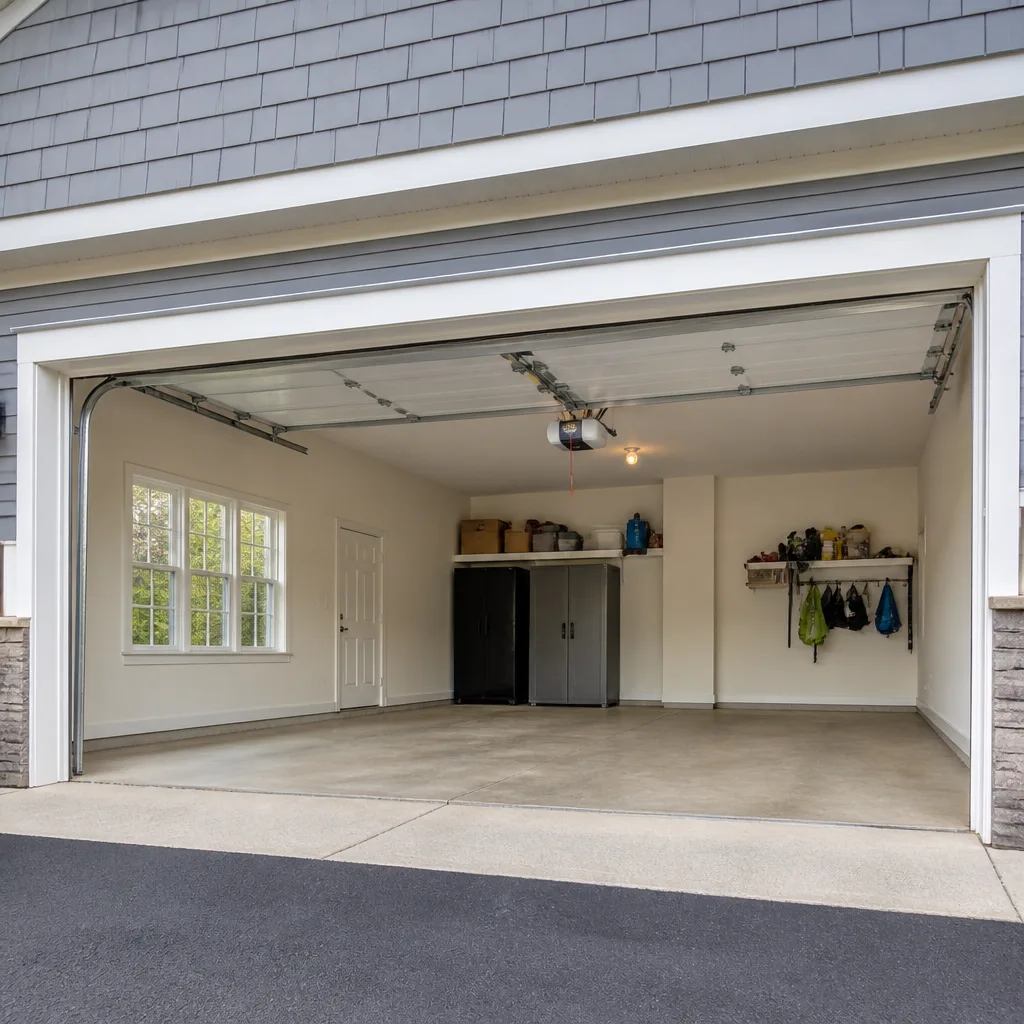 LiftMaster openers
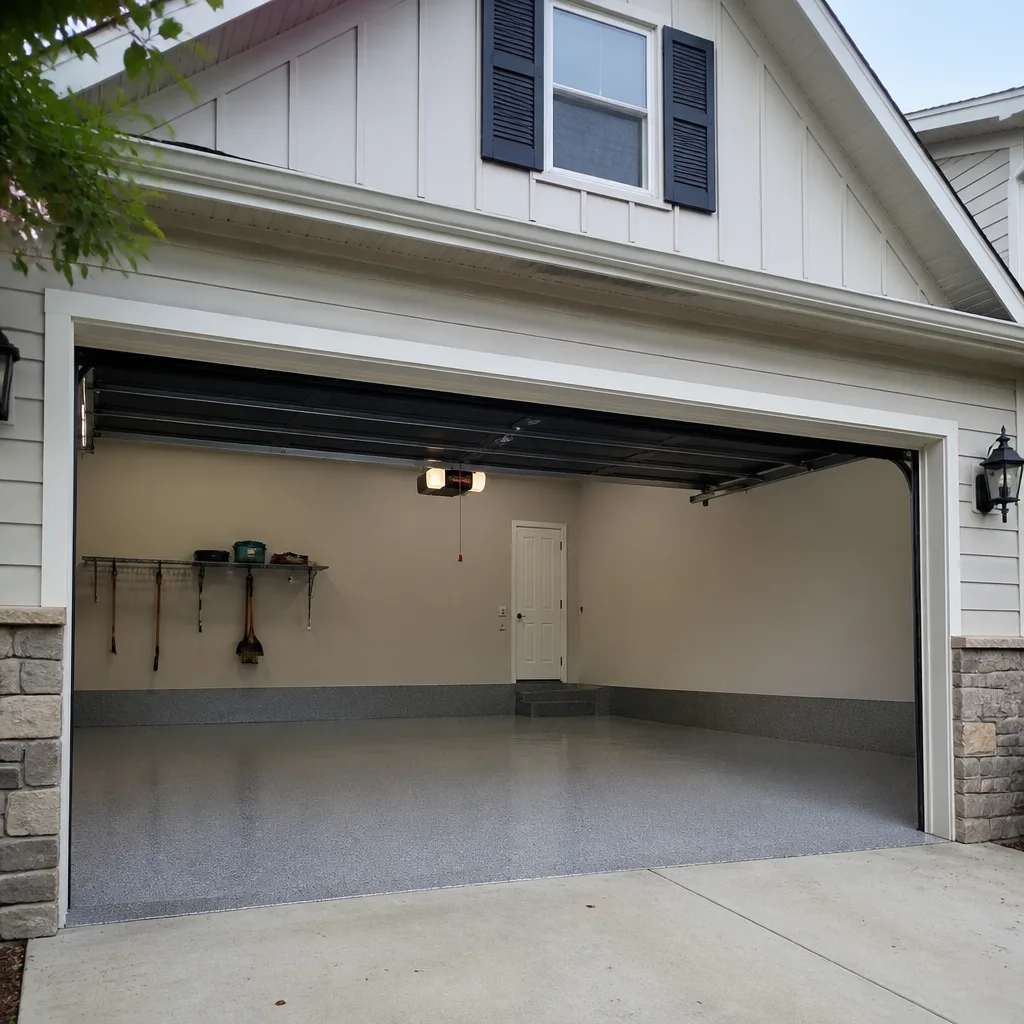 Chamberlain openers
Full 25-point door and opener safety check with every visit - springs, cables, rollers, tracks, and your LiftMaster or Chamberlain opener included
You get a price before we start. It does not change when the pro arrives.
Get your free estimateHow to Hire a Garage Door Contractor in Broken Arrow: A Step-by-Step Guide
A five-star Google rating doesn’t tell you whether a contractor stocks LiftMaster-compatible logic boards, or whether they’ll wire in a generic part that voids your manufacturer warranty. That’s the gap this guide closes. In Broken Arrow, most homeowners shop for a garage door contractor the same way they’d shop for a plumber: check the stars, call the first name that answers, hope for the best. Garage doors don’t reward that approach. The hardware is brand-specific, the springs are under extreme tension, and a contractor who guesses at your system can cost you more than the original repair. Below, you’ll learn exactly which documents to request, which questions separate a brand-trained technician from a generalist, how to read a written estimate line by line, and how to spot the storm-chaser outfits that follow hail through Broken Arrow every spring.
Quick Answer
To hire a garage door contractor in Broken Arrow, verify Oklahoma licensing and insurance in writing, ask which specific manufacturers the company is trained on (not just “all brands”), request a written line-item estimate before work begins, and confirm whether the company performs installations and repairs with its own technicians or subcontracts them. The best contractor for your home is the one who can name your door’s brand, explain how it fails, and put the price in writing first.
Styles & brands we work with
- Raised-panel steel
- Carriage house
- Modern flush
- Full-view glass
- LiftMaster openers
- Chamberlain openers
Table of Contents
- Which Oklahoma licensing and insurance documents should you request?
- How do you tell a brand-trained contractor from a generalist?
- What red flags are specific to the Broken Arrow market?
- What should a written garage door estimate include line by line?
- Is a full-service contractor actually full-service?
- How does Broken Arrow weather affect your door and your hiring decision?
- What questions should you ask before you book?
- The step-by-step hiring process, start to finish
Which Oklahoma licensing and insurance documents should you request?
Ask for the contractor’s state license information and a current certificate of insurance before anyone touches your door, and expect both to arrive without hesitation. In Oklahoma, garage door work falls under the state’s contractor licensing framework, and a legitimate operator will know their license class and be able to point you to where it’s registered. You don’t need to memorize the statute; you need to see that the answer comes back quickly and specifically.
Here’s what a valid response looks like versus a deflection:
- Valid: The contractor names their license type and offers the certificate of insurance as a PDF or photo, showing general liability coverage and workers’ compensation. The policy dates are current.
- Valid: They explain that any helper on the job is covered under their policy, not yours. This matters because a garage door spring under tension is one of the more dangerous components in a house, and an uninsured helper injured on your property is a problem you don’t want.
- Deflection: “We’re fully licensed and insured” with no paperwork. That’s a slogan, not proof.
- Deflection: “We don’t need a license for repairs.” Some handyman work is treated differently than contracted work, but a contractor who can’t explain the distinction is telling you they haven’t thought about it.
- Deflection: Insurance promised “after you book.” The certificate should exist before the appointment, not after.
In our experience, the contractors who answer these questions cleanly are also the ones who show up when they say they will. The ones who get cagey about paperwork tend to get cagey about everything else, including the final invoice. If you’re comparing several companies in Broken Arrow, make this the first filter. It costs you one phone call and eliminates most of the risk before you’ve spent a dollar.
How do you tell a brand-trained contractor from a generalist?
Ask a simple question: “Which manufacturers are your technicians trained on?” Then listen for specific brand names, not a claim to cover everything. The difference between “we work on LiftMaster and Chamberlain systems” and “we can figure out anything” is the difference between a technician who diagnoses by system and one who diagnoses by guesswork. Garage door openers from LiftMaster, Chamberlain, Genie, Clopay, Amarr, Wayne Dalton, Craftsman, and Raynor each have their own logic boards, travel limits, force settings, and safety sensor behavior. A technician who knows the platform goes straight to the likely fault. A generalist starts swapping parts and hoping.
Why does this matter for your warranty? Because many manufacturer warranties on openers and door hardware are conditional on using approved or compatible components. If a contractor fits a generic logic board or a non-matching spring to save a few dollars, the door may work for a while, but the manufacturer can decline a warranty claim later. When you ask about brands, you’re really asking whether the company can source the right part the first time and keep your coverage intact.
What a brand-trained answer sounds like
- They name your opener brand before you do, once they see the unit or a photo.
- They explain the common failure mode for that specific platform, not a generic “openers wear out.”
- They tell you whether a part is manufacturer-approved or a compatible aftermarket equivalent, and let you choose.
- They know how long a brand-specific part typically takes to source, so you’re not waiting indefinitely on a component they should have anticipated.
At Morningstar Garage Door Repair, we work on all eight of the major residential brands: LiftMaster, Chamberlain, Genie, Clopay, Amarr, Wayne Dalton, Craftsman, and Raynor. That breadth means when your garage door opener repair involves a Chamberlain unit that’s throwing a specific error code, we’re diagnosing the platform, not experimenting on it. Brand fluency isn’t a marketing line. It’s the difference between one visit and three.
What red flags are specific to the Broken Arrow market?
The biggest one in Broken Arrow is the storm-chaser: a contractor who appears after a hail event, knocks on doors in neighborhoods like Forest Ridge or the Streets at Timber Ridge, and pushes a full door replacement on a door that could be repaired. Hail does dent steel doors, and a badly damaged panel sometimes does need replacing. But “your whole door is totaled” should never be the first sentence out of a contractor’s mouth before they’ve inspected the panels, the tracks, and the opener separately. Ask for a written assessment that separates repairable damage from replacement-worthy damage, and get a second opinion if the first one feels like a sales pitch.
Other red flags we see in the Broken Arrow market:
- No local address or verifiable presence. A contractor who can’t tell you where they’re based, or who gives a PO box and a cell number, may be passing through.
- Pressure to decide today. Garage door replacement is a scheduled, measured job. Anyone rushing you is rushing the estimate, not the work.
- Cash-only pricing with no written estimate. You want a document, not a number shouted from a ladder.
- Subcontracting without disclosure. If the person who quotes the job isn’t the person who does it, you should know that up front.
- Vague about parts. “We’ll use whatever fits” is not an answer. You want to know the brand and whether it’s manufacturer-approved.
- No written warranty terms. Ask what’s covered, for how long, and on what parts versus labor, and get it in writing.
In our experience, the storm-chaser pattern repeats every spring in Broken Arrow because hail is a real and recurring weather event here, and it creates genuine demand alongside opportunistic sales. The homeowner’s defense is simple: slow down, ask for documents, and insist on a written scope that distinguishes repair from replacement. A reputable contractor will welcome the scrutiny.
What should a written garage door estimate include line by line?
A written garage door estimate should itemize parts, labor, haul-away, and permit costs if any, and it should state the total before work begins. If a line is missing, ask why. The omissions are usually where the surprise invoice hides.
Here’s what a complete estimate for garage door work should show:
- Parts, by name and brand. Not “springs” but “two torsion springs, matched pair, [brand].” Not “opener part” but the specific component, and whether it’s manufacturer or compatible aftermarket.
- Labor, as a line item. Some companies bundle it into the parts price, which is fine, but the estimate should say so.
- Haul-away. Old doors, panels, and springs need disposal. If it’s not listed, it may be added later.
- Permit, if required. Most cities require a permit for structural changes or full replacements, so ask your city’s building department whether your job needs one and whether the permit cost is in the estimate.
- Warranty terms. What’s covered on parts, what’s covered on labor, and for how long.
- The total, and a statement that it’s the agreed price. The written estimate sets the final price. Anything beyond that should require your approval before it happens.
When you receive an estimate, read it against this list. A missing haul-away line or an unnamed part is a signal to ask a question, not necessarily to walk away. But a contractor who can’t or won’t put these items in writing is telling you something about how they’ll handle the invoice. The price should be quoted and agreed before any work starts, and you should never feel surprised by the final number.
Is a full-service contractor actually full-service?
Ask whether the company that quotes your installation also performs your repairs, or whether it hands off to someone else. A contractor who does both keeps the same diagnostic knowledge across the life of your door, which matters when the opener you installed three years ago starts acting up. A contractor who subcontracts installation to one crew and repairs to another may not know your system at all.
Here’s how to tell the difference:
- Ask who does the work. “Will your technicians perform the install, or a partner?” The answer should be clear and direct.
- Ask about opener service as a category. Openers are a separate skill from door hardware. A contractor who treats opener diagnostics as a specialty, not an afterthought, is more likely to handle the motorized and smart-home side correctly.
- Ask about parts sourcing. Can they source a brand-specific component for a LiftMaster or Genie unit without sending you to a third party? Multi-brand sourcing reduces your wait time.
- Ask what happens when a repair turns into a replacement. A full-lifecycle contractor can walk you through both without transferring you to a different company.
At Morningstar, we handle three service categories under one call: garage door repair, opener repair, and full installation. That means when your needs change from a fix to a replacement, you’re not starting the hiring process over. For a homeowner in Broken Arrow, that continuity is worth asking about before you sign anything.
How does Broken Arrow weather affect your door and your hiring decision?
Broken Arrow’s climate puts real stress on garage doors: hot, humid summers, freezing winter swings, and spring hail. That cycle works on springs, seals, tracks, and opener electronics in ways that a milder climate doesn’t. A door that performed fine in a temperate region can develop rust at the hinges, stiffen at the weather seal, and throw opener faults when temperatures drop. When you hire, ask whether the contractor accounts for local conditions in their diagnosis and their parts recommendations.
Specific things to raise in Broken Arrow:
- Hail and panel damage. Steel doors dent. Ask for an assessment that separates cosmetic dents from structural damage before anyone recommends a full replacement.
- Humidity and hardware. Hinges, rollers, and springs can corrode faster here. Ask what the contractor recommends for hardware that holds up.
- Freeze-thaw and seals. A worn bottom seal lets in water and cold air. Ask whether the estimate covers seal replacement if needed.
- Power reliability. Openers with battery backup or smart-home features behave differently after outages. A contractor fluent in opener electronics should be able to explain what your unit does and doesn’t handle.
None of this is exotic. It’s what a local technician factors in automatically. The point is to confirm that your contractor is thinking about Broken Arrow conditions rather than applying a generic checklist from somewhere else.
What questions should you ask before you book?
These are the questions that filter fastest. Ask them on the phone before you schedule anything, and listen for specific answers rather than reassurances.
- “Which brands are your technicians trained on?” You want named manufacturers, not “all brands.”
- “Can you send the certificate of insurance before the appointment?” A clean yes, with the document attached, is the answer you want.
- “Will your technicians do the work, or a subcontractor?” Either is acceptable if disclosed. Undisclosed is not.
- “What’s included in the written estimate?” Parts, labor, haul-away, permit, warranty. If they can’t list these, ask them to.
- “Is the estimate free, and is the price set before work starts?” The price should be agreed in writing first.
- “What happens if you find something else once you’re in there?” You want to hear that they’ll show you, explain it, and get your approval before doing more work.
- “Do you handle both repair and installation?” This tells you whether you have one call or two.
If you’re in Broken Arrow and want to run through these questions with us directly, we’ll answer them plainly. Call (844) 320-3275. We answer 24/7. Fast dispatch from 7am to 7pm, Sunday through Friday.
The step-by-step hiring process, start to finish
Here’s the sequence that keeps you in control from first call to final invoice.
- Identify your equipment. Look at the door and opener for brand labels. Note the model if you can see it. This lets you ask brand-specific questions immediately.
- Make two or three calls. Ask the questions above. Note who answers quickly and specifically, and who deflects.
- Request documents. License information and certificate of insurance. Review them before the appointment.
- Schedule the assessment. Make clear whether you’re dealing with a repair or a replacement decision. Repair and opener diagnostics can often be handled same day. Installation and replacement are measured, ordered, and scheduled, so expect a longer runway.
- Get the written estimate. Check it against the line-item list: parts by name, labor, haul-away, permit if needed, warranty. Confirm the total is the agreed price.
- Approve before work starts. No verbal yes. Written approval on the estimate you’ve read.
- Review the work and the warranty. Confirm what was done, what parts were used, and what’s covered going forward.
This process takes a little longer up front and saves you considerably more later. For a homeowner in Broken Arrow who relies on the door every day, that trade is worth it.
Common Mistakes to Avoid
- Hiring on star rating alone. A high rating tells you other people were satisfied. It doesn’t tell you whether the contractor is trained on your specific opener platform. Ask about brands before you book.
- Accepting “we’re licensed and insured” without paperwork. The certificate should be available on request. A vague reassurance is not a substitute for a document.
- Letting a storm-chaser talk you into a full replacement. After a hail event in Broken Arrow, get a written assessment that separates repairable panel damage from replacement-worthy damage. Ask for a second opinion if the first one feels like a sales pitch.
- Skipping the written estimate. A verbal number is not a price. You want the parts, labor, haul-away, and permit lines in writing, and the total agreed before work starts.
- Assuming “full-service” means one company does everything. Ask directly whether the technicians performing the install are the same company that quoted it. Subcontracting is fine if disclosed; it’s a problem if it isn’t.
- Ignoring the opener. Many homeowners focus on the door and forget the motorized system. Opener diagnostics is its own skill. Ask whether the contractor treats it as a specialty.
- Not asking about warranty terms. Parts coverage and labor coverage are different. Ask what each covers and for how long, and get it in writing before the work begins.
See the difference
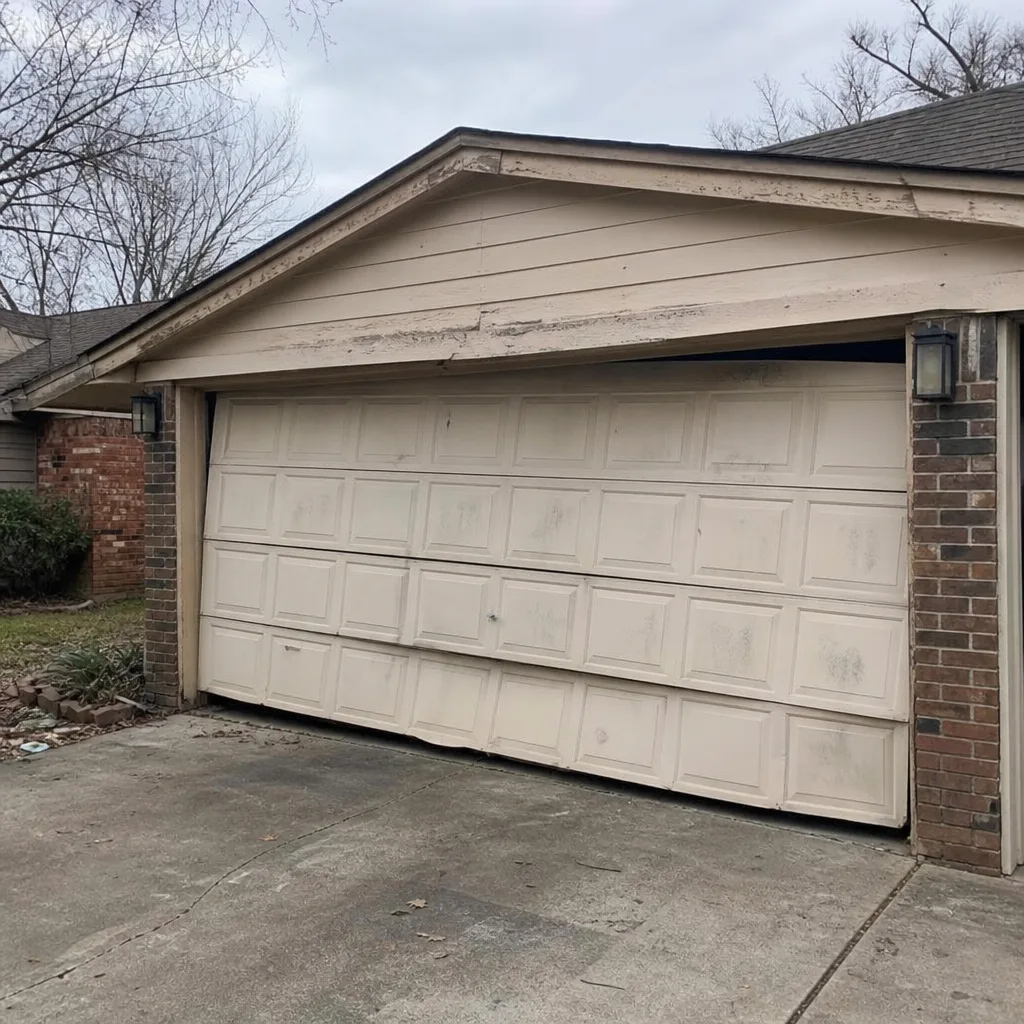 Before
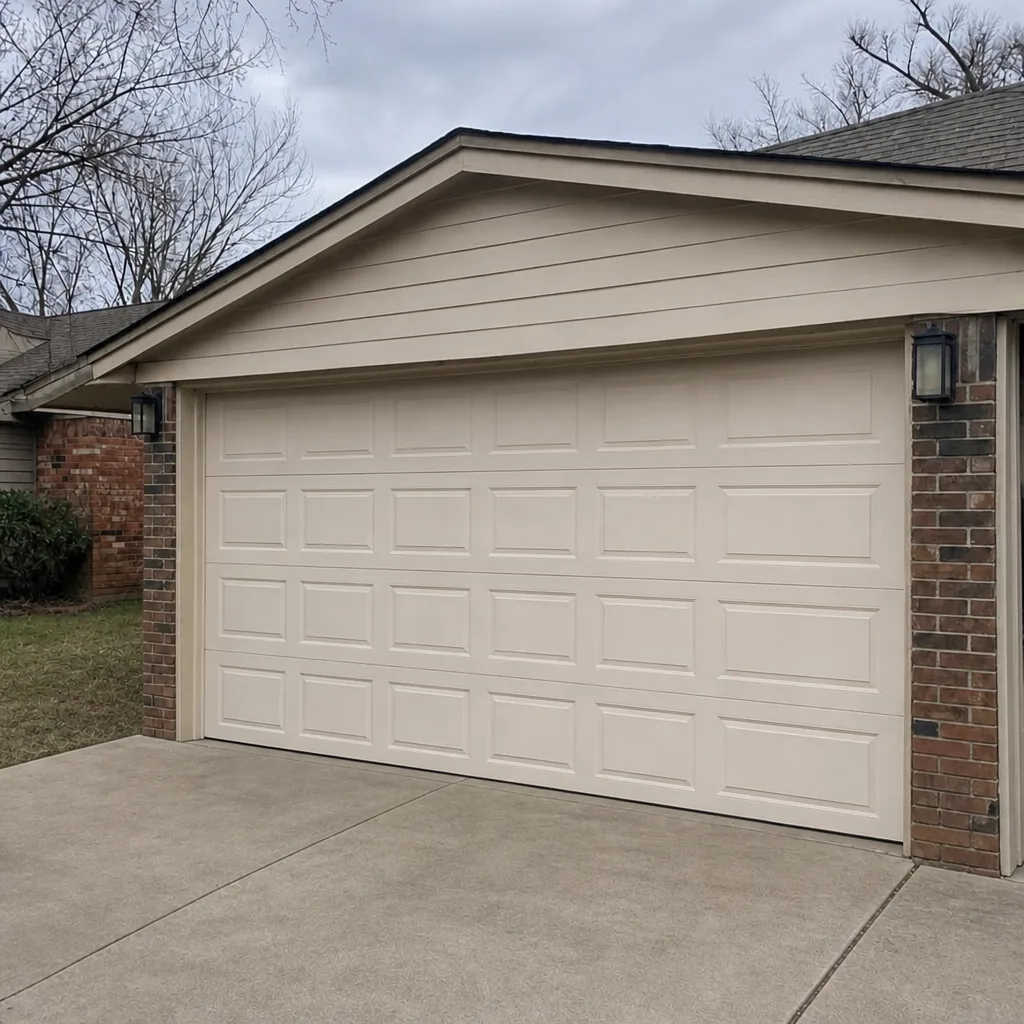 After
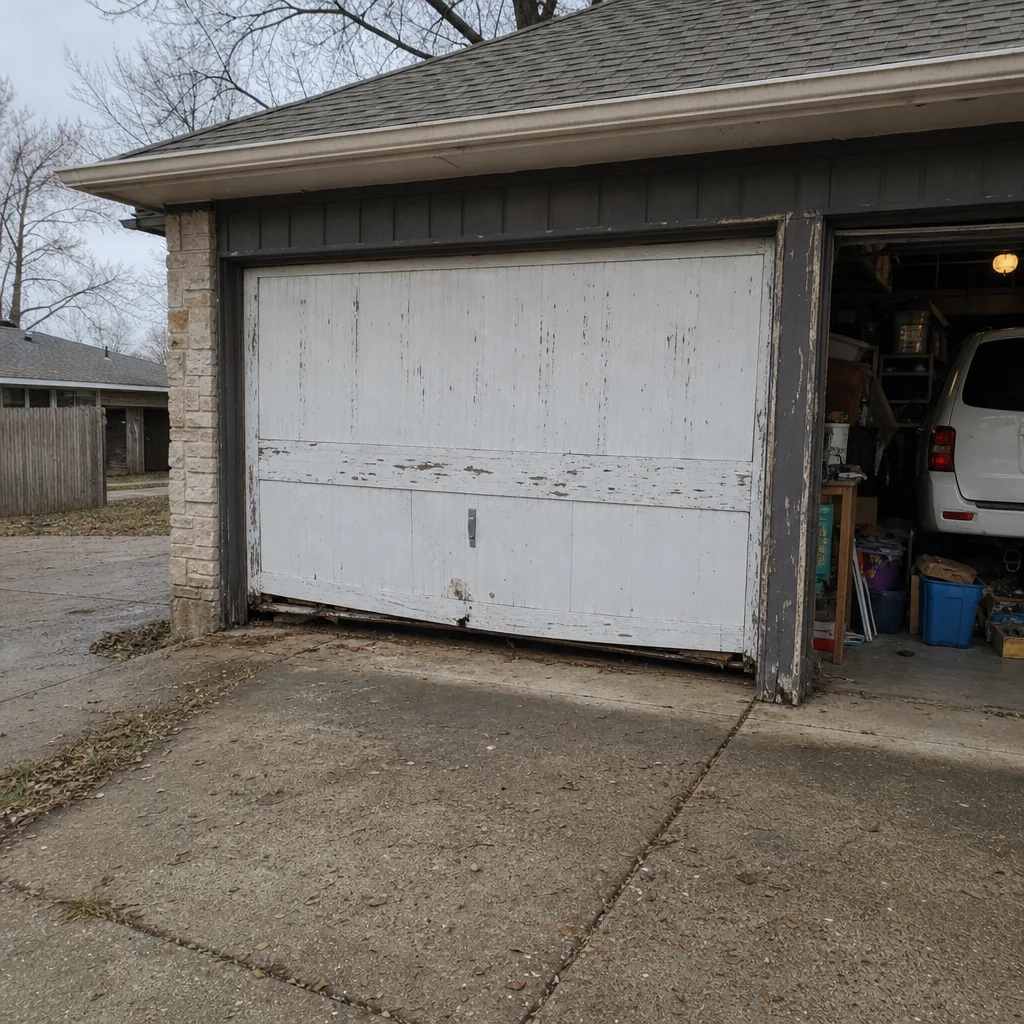 Before
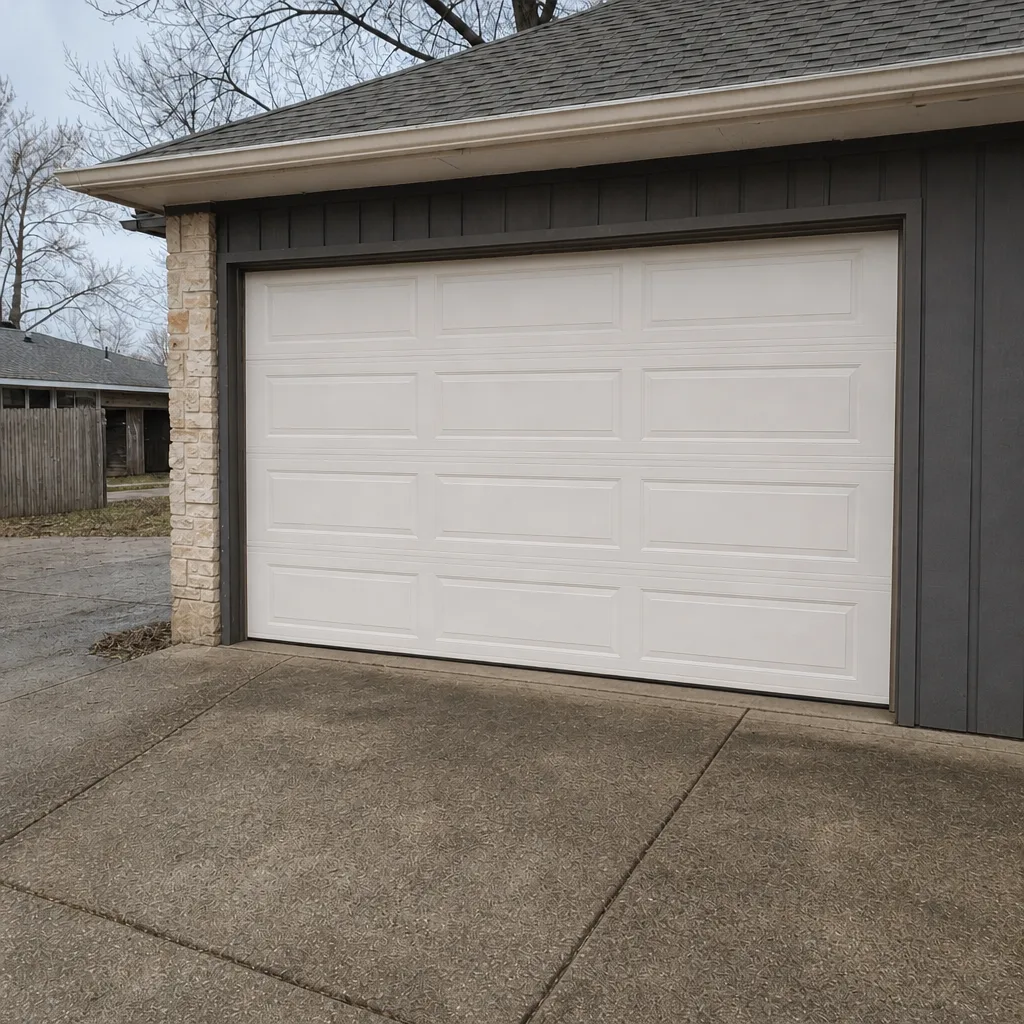 After
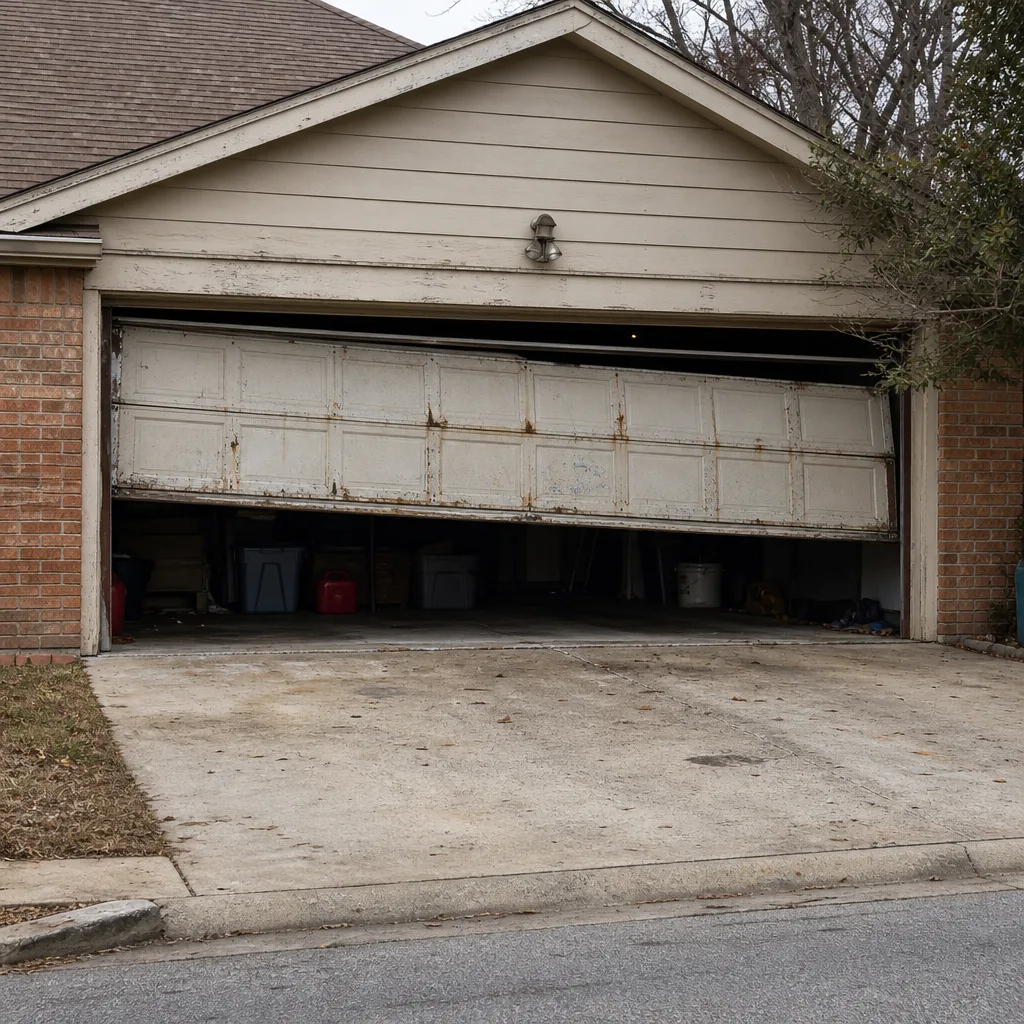 Before
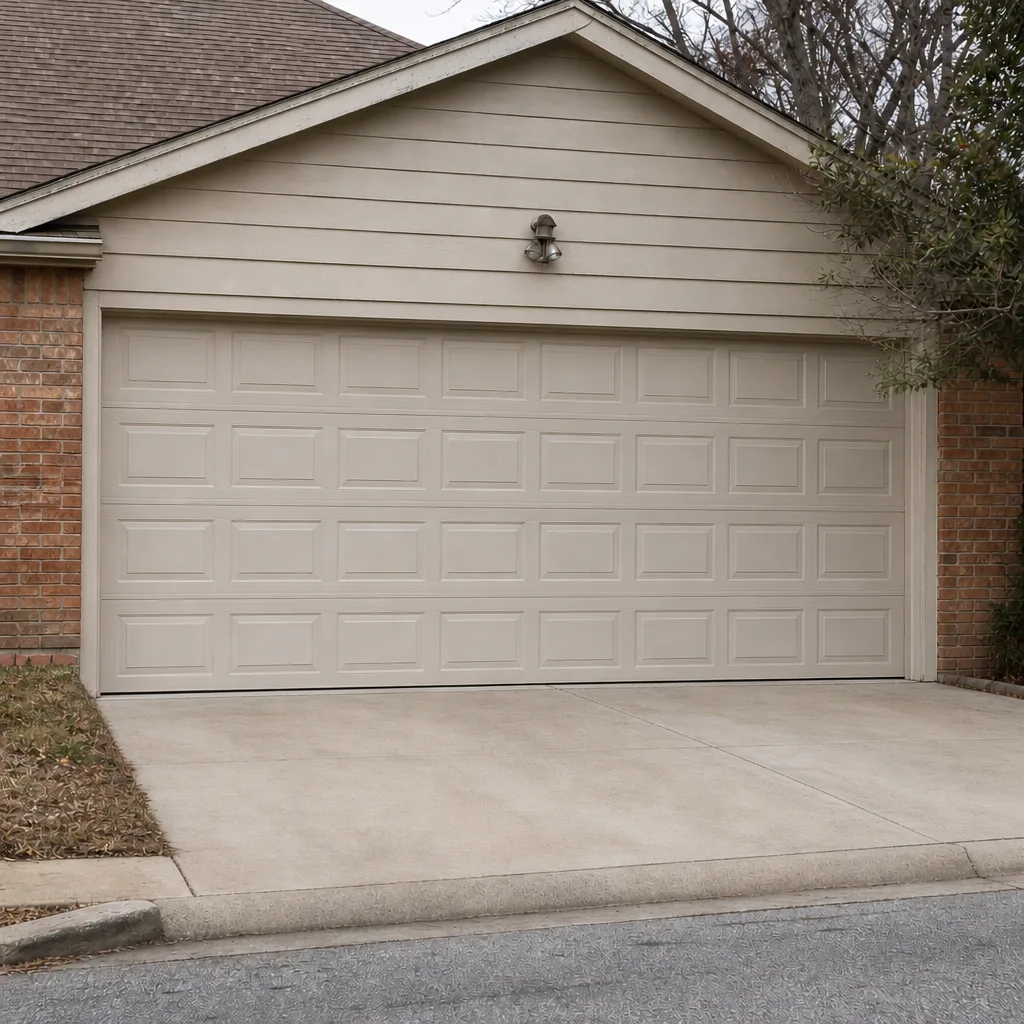 After
When to Call a Professional
Some garage door problems are genuinely dangerous to touch. A broken torsion spring or a snapped cable is under extreme tension and can cause serious injury if you attempt it yourself. Opener wiring and electrical connections carry their own risk. If your door is stuck halfway, the spring is visibly broken, the cables are frayed, or the opener is throwing errors after a power event, call a trained technician rather than experimenting. Other situations are less urgent but still worth a professional: a door that’s become noisy, a seal that’s failing, a remote that won’t pair, or an aging door you’re considering replacing. Morningstar Garage Door Repair offers free estimates in Broken Arrow. Call (844) 320-3275. We answer 24/7. Fast dispatch from 7am to 7pm, Sunday through Friday. If a door fails outside those dispatch hours, we’ll book you into the next opening.
Frequently Asked Questions
Garage door repair in Broken Arrow varies by the specific fault, so the honest answer is that the price depends on the job, and the written estimate sets the final price. A spring replacement, an opener repair, and a track adjustment are different jobs with different parts. Call (844) 320-3275 for an exact quote. Estimates are free.
Oklahoma regulates contractor work, and you should ask for license information and a certificate of insurance before any work begins. A professional will provide both on request without hesitation. If you’re unsure what applies to your job, ask the contractor to explain their license class, and confirm with the state or your city’s building department.
The major residential brands you’re likely to own include LiftMaster, Chamberlain, Genie, Clopay, Amarr, Wayne Dalton, Craftsman, and Raynor. A contractor trained across those platforms can diagnose by system rather than guesswork. Ask which brands they’re trained on and listen for specific names.
Same-day repair is often possible for parts, opener diagnostics, and most door adjustments. Call (844) 320-3275. We answer 24/7. Fast dispatch from 7am to 7pm, Sunday through Friday. Installation and full replacement are measured, ordered, and scheduled, so those take longer by design.
No, the price is quoted and agreed before any work starts. If we find something additional once we’re in, we’ll show you, explain it, and get your approval before doing more. You shouldn’t see a surprise invoice. Call (844) 320-3275 for an exact quote. Estimates are free.
Ask directly whether the technicians who perform the install are the same company that quoted the job, or a subcontractor. A full-lifecycle contractor handles repair, opener service, and installation, so you’re not starting the hiring process over when your needs change. If a contractor can’t answer clearly, that’s your answer.
The Bottom Line
Hiring a garage door contractor in Broken Arrow comes down to four filters: verified documents, brand-specific training, a written line-item estimate, and a clear answer on who actually does the work. Star ratings and friendly phone manners don’t substitute for any of them. The contractors worth your time will answer the brand question with named manufacturers, send the insurance certificate without being asked twice, and put the price in writing before anyone climbs a ladder. If you want to run through these questions with us, we’ll answer them plainly. Call (844) 320-3275 for a free estimate. We answer 24/7. Fast dispatch from 7am to 7pm, Sunday through Friday.
For more on our services in Broken Arrow, or to see the full picture of what Morningstar Garage Door Repair covers, we’re glad to walk you through it.
Written by the team at Morningstar Garage Door Repair.