
Last updated November 15, 2026
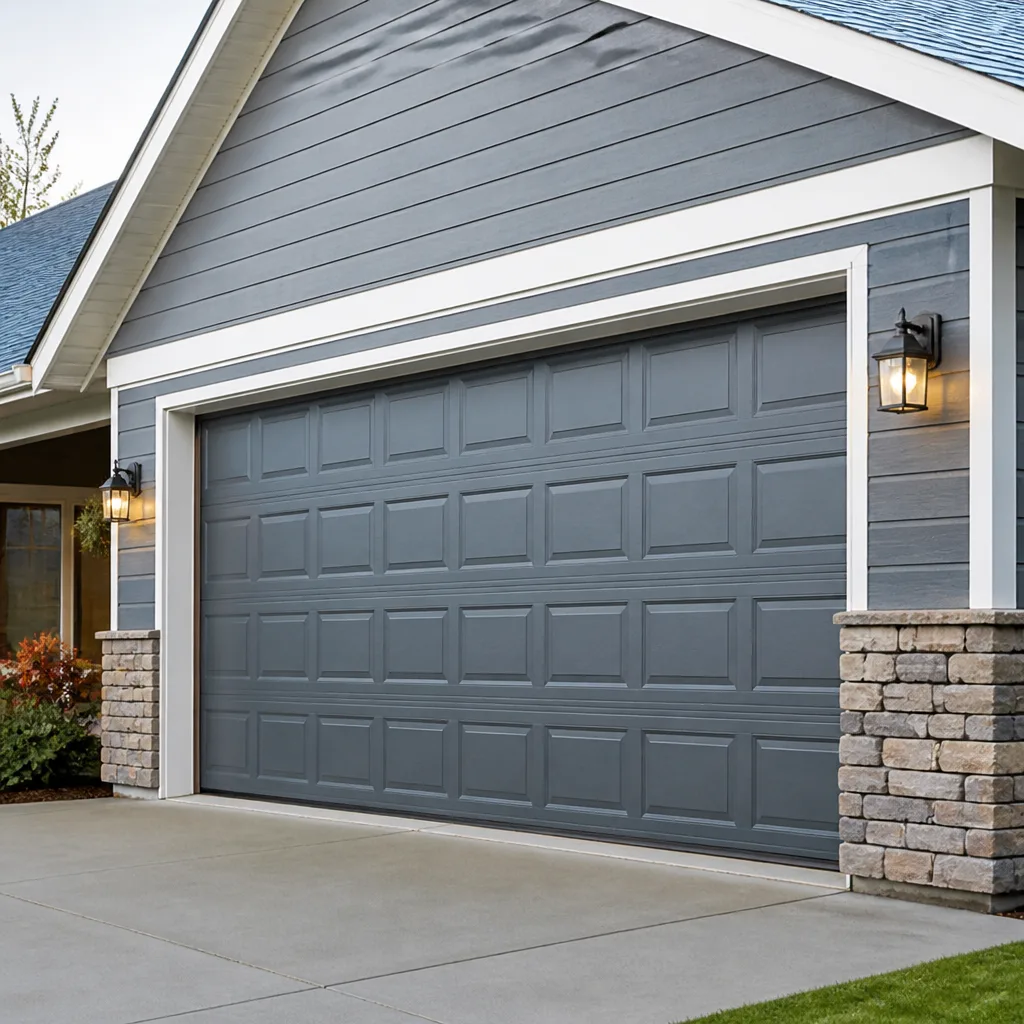 Raised-panel steel
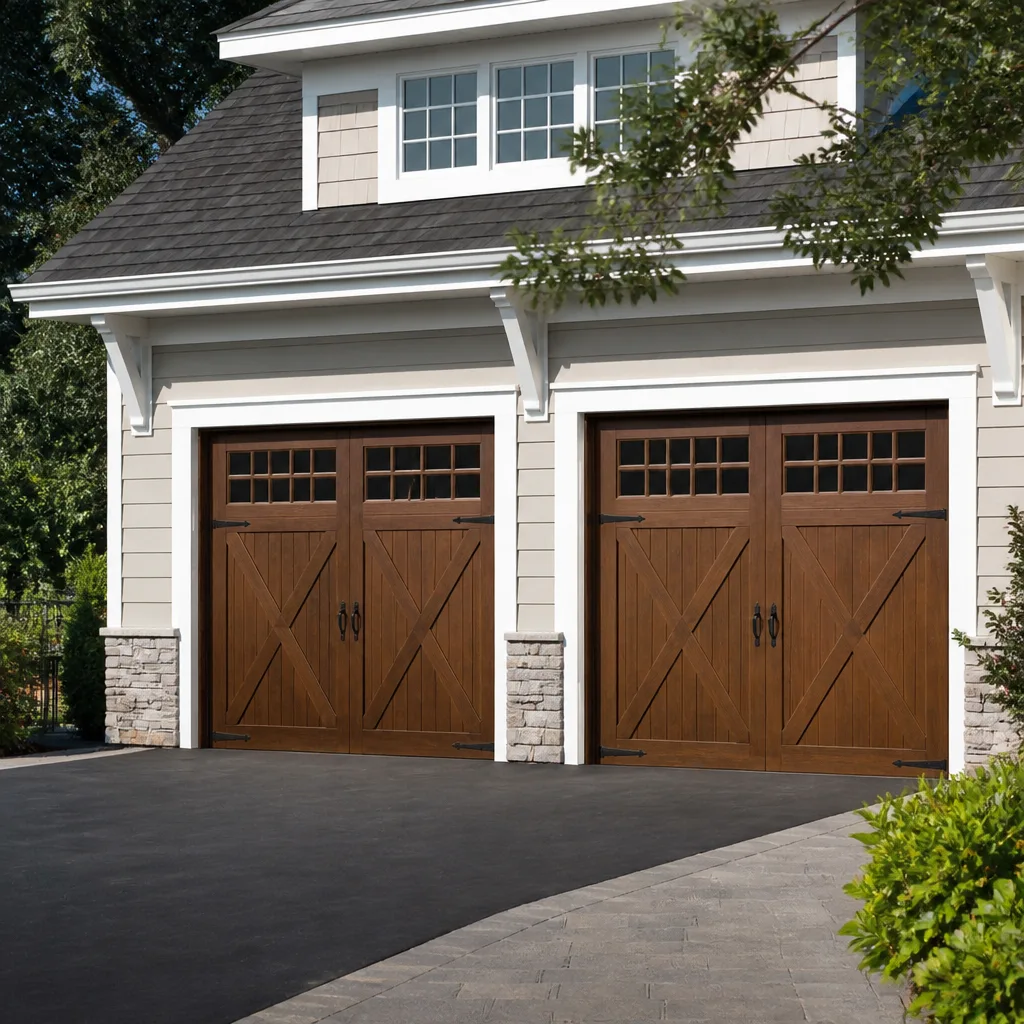 Carriage house
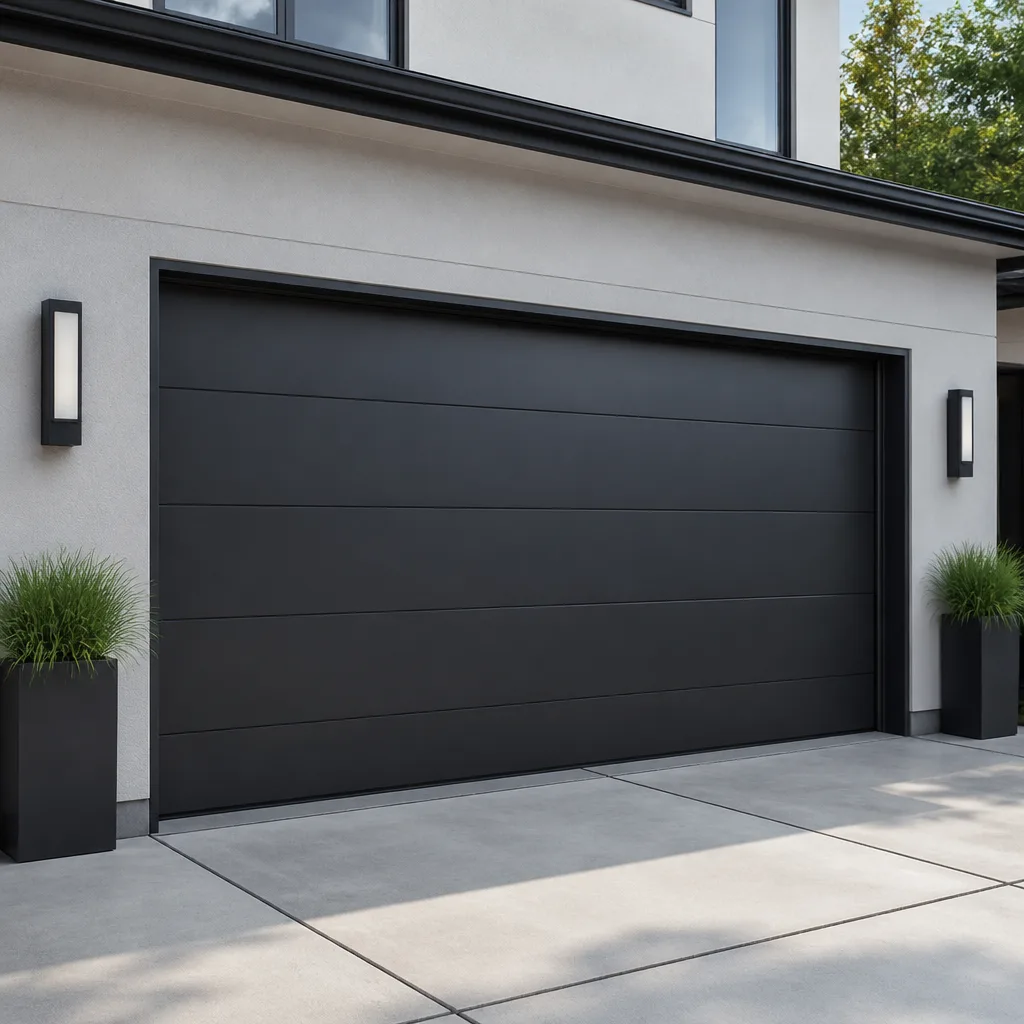 Modern flush
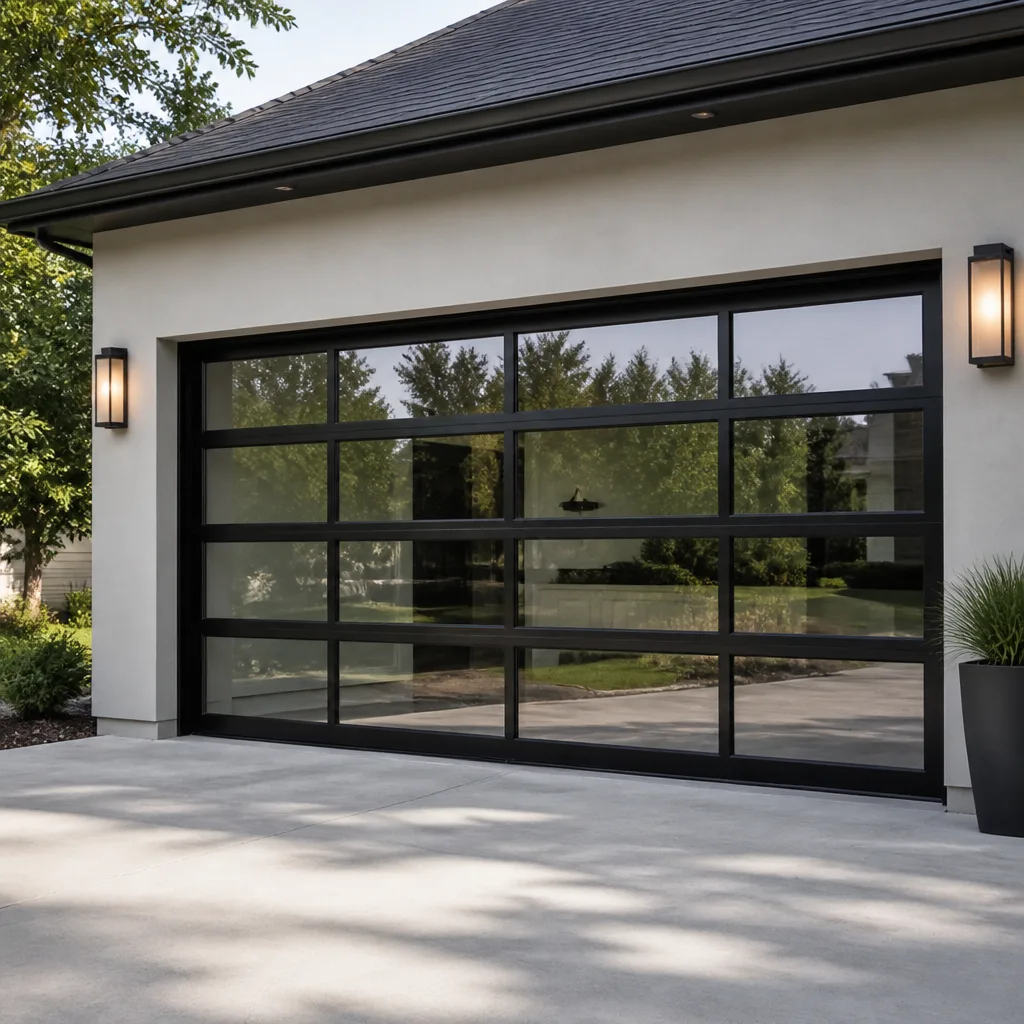 Full-view glass
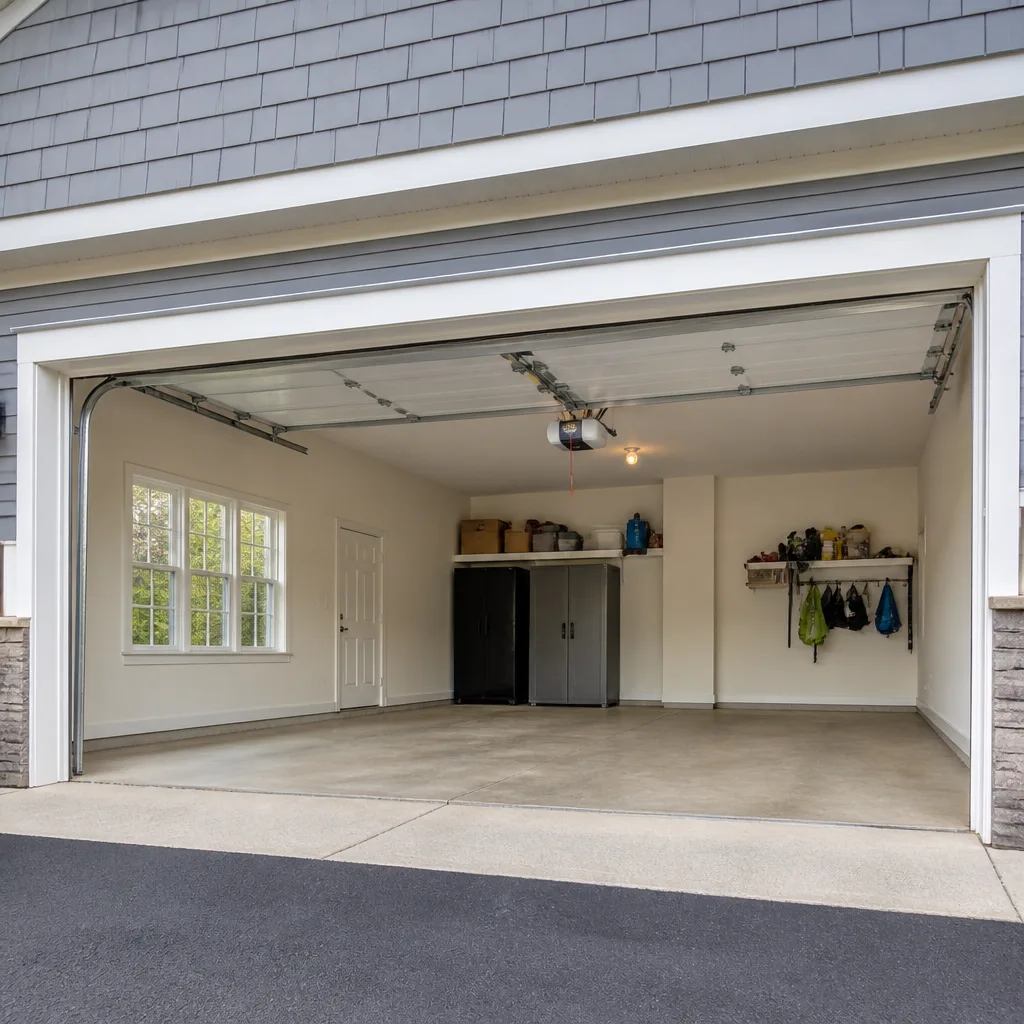 LiftMaster openers
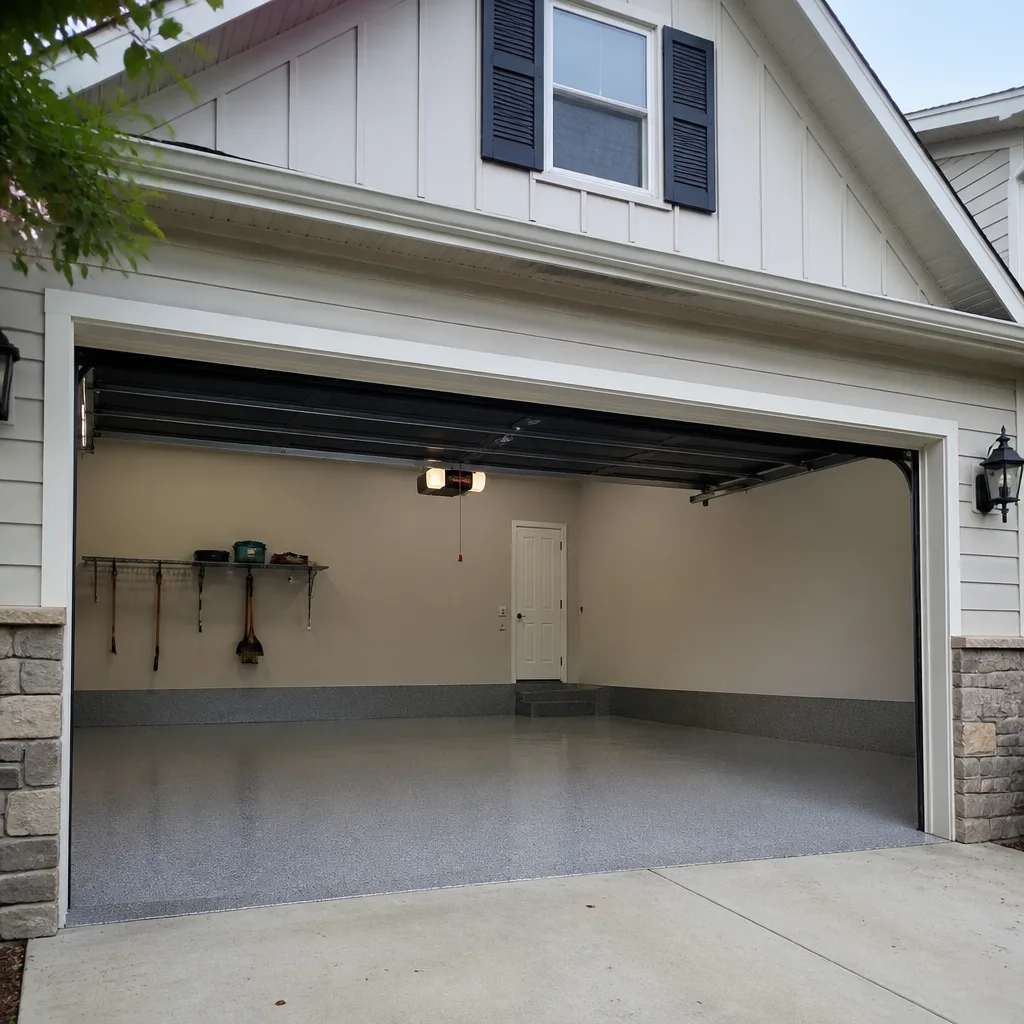 Chamberlain openers
Full 25-point door and opener safety check with every visit - springs, cables, rollers, tracks, and your LiftMaster or Chamberlain opener included
You get a price before we start. It does not change when the pro arrives.
Get your free estimateGarage Door Cost Breakdown: The Broken Arrow Homeowner’s Reference for 2026
Two quotes land in your inbox. Eight hundred dollars for a new door. Fourteen hundred for the same Clopay model down the street. The gap isn’t the door. It’s what each quote quietly leaves out: haul-away of the old unit, new hinges and rollers, opener wiring brought up to spec, sometimes even the weather seal. This reference walks you through what a garage door job actually costs in Broken Arrow in 2026, line by line, so you can read a bid for what it covers and what it hides. We’ll cover springs, cables, rollers, panels, openers, and full replacements, and explain how northeast Oklahoma’s storm seasons shape what gets repaired versus what gets replaced.
Quick Answer
Garage door repair in Broken Arrow typically runs $150 to $350 for common single-part fixes like springs, cables, and rollers, while a full door replacement with hardware and installation generally runs $900 to $2,200 depending on door style, insulation, and opener compatibility. Labor and parts together are usually quoted as one written estimate, so the number you sign is the number you pay. Installation and replacement are scheduled work, measured and ordered, not same-day fixes.
Styles & brands we work with
- Raised-panel steel
- Carriage house
- Modern flush
- Full-view glass
- LiftMaster openers
- Chamberlain openers
Table of Contents
- What does garage door repair cost in Broken Arrow?
- Parts costs by brand and specification
- Labor rates in northeast Oklahoma vs. national averages
- Opener repair and replacement costs
- Storm damage, insurance claims, and your garage door
- The real cost of deferring a known repair
- What a full-replacement quote should break out
- Repair or replace? A decision framework
What does garage door repair cost in Broken Arrow?
Garage door repair in Broken Arrow generally falls between $150 and $350 for a single-component fix, with the exact number driven by what failed, what brand you own, and whether the door is a standard 7-foot single-car unit or a heavier double-car door. That range covers the part, the labor to install it, and the adjustment work that follows. It does not cover a second part if the first fix reveals another worn component, though a licensed technician will show you what they find before they touch it.
Here’s the honest structure of a typical bill. The part itself is a smaller share than most homeowners expect. Labor, adjustment, and the test-and-tune pass afterward make up the balance. Underestimating the labor share is the most common reason a homeowner is surprised by a quote, and also the reason cheap online numbers feel too low.
Below is what we typically see for the most common Broken Arrow repairs, quoted as ranges:
| Repair type | Typical cost |
|---|---|
| Torsion spring (one spring, standard residential) | $180 – $340 |
| Torsion spring pair (usually replaced together) | $360 – $680 |
| Cable replacement (one side) | $120 – $220 |
| Cable replacement (both sides) | $240 – $440 |
| Roller set (10 to 12 rollers) | $140 – $260 |
| Bottom section replacement (standard steel door) | $220 – $500 |
| Section replacement, mid or upper panel | $280 – $650 |
| Hinge replacement (per hinge) | $40 – $90 |
| Weather seal / bottom rubber | $100 – $200 |
Every one of those numbers is an estimate. The written quote your technician provides sets the final price, and that quote is agreed before any work starts. Spring replacement in particular is a two-spring job more often than not: springs wear at the same rate, so a matched pair is usually the correct fix, and that’s why the pair row above is roughly double the single-spring row.
Safety matters here. Torsion springs sit under high tension, and cables are under load the whole time the door is operating. Adjusting either without the right tools and training is genuinely dangerous. That’s why nobody should attempt a spring or cable repair as a weekend project; the correct answer is always a trained technician with the right winding bars and the door clamped safely. When you call for an estimate on garage door repair, that safety step is part of the job, not an add-on.
Parts costs by brand and specification
Brand-specific parts matter more than most homeowners realize. A LiftMaster opener built in the last ten years uses a different logic board, travel module, and safety sensor wiring than a Craftsman unit of the same vintage, even though they look similar from the outside. A Clopay door’s section design, hinge spacing, and end stile are not the same as a Raynor of comparable size. That’s why we work on eight major brands – LiftMaster, Chamberlain, Genie, Clopay, Amarr, Wayne Dalton, Craftsman, and Raynor – because diagnosing by system rather than guesswork is what keeps a repair to one visit.
Below is a brand-by-brand look at what the most common repairs usually cost in a Broken Arrow garage, with the caveat that panel geometry and opener generation heavily influence the number:
- LiftMaster and Chamberlain openers: Logic board replacements typically run $180 – $320. Safety sensor pairs run $100 – $180. Gear and sprocket kits run $140 – $260. These two brands share parts architecture in some generations, which sometimes lets a technician source faster.
- Craftsman openers: Belt and chain drive units from the 2000s and 2010s dominate older Broken Arrow subdivisions. Capacitor replacements run $90 – $180. Logic board replacement runs $170 – $300 depending on the model family.
- Genie openers: Motor replacement is less common than board and sensor work. Board replacement runs $160 – $290. Remote pairing issues that look like a hardware failure are often just a travel-limit reset, which is a lower-cost diagnostic call.
- Clopay doors: Bottom section replacement runs $240 – $520 for a standard steel door because Clopay panel profiles vary by series. Roller upgrades to nylon run $160 – $280.
- Amarr and Wayne Dalton doors: Section matching is the big variable. A Wayne Dalton 9100 series section is not interchangeable with a Clopay 4050, so a technician needs the section model number before quoting a panel repair.
- Raynor doors: Less common in Broken Arrow but still serviced. Cable and spring work follows the same ranges as above; the difference is lead time on certain specialty panels.
The pattern is clear: opener parts and door parts are two different cost pools. Treating them as one line item is where homeowners get confused. For a dedicated look at the opener side, our garage door opener repair page covers the diagnostics in more detail.
Labor rates in northeast Oklahoma vs. national averages
National “average” garage door costs you’ll find online are usually built from metro labor rates in places like Dallas, Denver, and Seattle. They tend to run 15 to 25 percent higher than what a Broken Arrow homeowner actually sees, partly because northeast Oklahoma’s labor cost of living is lower and partly because the local market includes a healthy number of independent technicians competing on response time. That’s good news for the local quote on routine repairs.
Where the local market catches up with national figures is on specialty parts and heavier jobs. A Raynor panel with a specialty finish, or a Genie logic board for a discontinued model, can cost the same in Broken Arrow as anywhere else because the part itself ships in. Labor is local; parts are national. That split explains why the cheap online number feels right on a spring replacement and feels low on a branded panel.
A few things that push a Broken Arrow quote toward the top of the range:
- Door height and weight. An 8-foot or 9-foot door takes longer to safely handle than a 7-foot door. Labor scales with the size of the unit.
- Access and clearance. A door on a sloped driveway or in a tight garage bay takes more time to work on safely.
- Age of hardware. If the fasteners are rusted or seized, disassembly runs longer.
- Diagnostic complexity. An intermittent opener fault that only shows under load can add a second visit if the first pass doesn’t reproduce the problem.
- Part sourcing. A brand-specific part sometimes needs ordering. That adds lead time, not labor, but it does affect when the job gets scheduled.
One thing that does not push the price: scheduling. We book jobs Sunday through Friday, 7am to 7pm, and we’re closed on Saturday. A repair that gets booked into the next opening does not carry a premium. When you call, we quote it by job and by part, and the number you agree is the number you see on the invoice.
Opener repair and replacement costs
Opener work is its own specialty, and the pricing structure differs from door work. Repair is often cheaper than homeowners expect; replacement is a bigger swing and needs a measured install. In a Broken Arrow garage, the most common opener issues we see come from heat cycling in summer and short cycling in spring storm season, both of which affect the motor and the logic board more than they affect the door itself.
Typical opener repair ranges in Broken Arrow:
- Safety sensor pair replacement: $100 – $180.
- Logic board replacement: $170 – $320 depending on brand and generation.
- Gear and sprocket kit: $140 – $260.
- Capacitor replacement: $90 – $180.
- Belt or chain replacement: $150 – $300.
- Travel-limit and force adjustment (diagnostic visit): $90 – $150.
Full opener replacement runs $450 – $900 installed, and that number is driven by the drive type (belt versus chain), whether the unit includes battery backup, and whether the existing wiring is compatible. A replacement LiftMaster or Chamberlain with a modern safety reverse and a quiet belt drive sits toward the higher end of that range. A basic chain-drive replacement sits lower. For a Craftsman unit from the 2000s, the decision between repairing the board and replacing the opener often comes down to whether the drive system itself is still healthy.
What gets missed: opener replacement is scheduled work, not a same-day fix. The unit needs to be matched to the door’s weight and travel, wired properly, and tested under load. That means a free measure and a written price rather than an emergency callout. When a spring snaps at 11pm, the phone line is answered, but the door repair itself is booked into the next dispatch window, Sunday through Friday, 7am to 7pm. Call (844) 320-3275 to get booked; we answer 24/7.
Storm damage, insurance claims, and your garage door
Broken Arrow sits in a part of Oklahoma where hail, high wind, and the occasional severe storm produce real door damage on a fairly regular cycle. That reality shapes local pricing differently than a quiet climate would. Storm season drives demand for dented bottom sections, blown-out panels, and bent track sections, and that demand affects part availability and scheduling. Knowing how a claim interacts with a repair quote is what keeps a homeowner from paying out of pocket for something covered.
Most homeowners insurance policies treat garage door damage differently depending on the cause:
- Wind and hail damage to the door panels is commonly covered under the dwelling portion of a homeowners policy, subject to your deductible.
- Impact damage from a vehicle or falling limb is typically covered under the same section, again subject to deductible.
- Mechanical failure of a spring, cable, or opener is usually not covered because it’s considered wear-and-tear.
- Water damage from a storm-driven intrusion often falls under a separate coverage line and depends on how it entered.
What adjusters ask for on a garage door claim:
- Photographs of the damage before any repair or cleanup begins. Wide shots of the full door plus close-ups of each damaged section.
- The door’s brand and model, usually found on a label inside the panel or on the door’s end stile. A Clopay 4050 and an Amarr Stratford are different beasts for valuation purposes.
- A written repair estimate that breaks out parts and labor. One lump sum often gets sent back for revision.
- The age of the door and whether replacement value or actual cash value applies to your policy.
- Confirmation that the match is exact if only one section is damaged. Adjusters want to know whether a matching panel is available or whether a full door replacement is the correct scope.
A lot of the claims friction comes down to documentation. A written estimate that shows exactly which sections need replacement, which hardware is damaged, and whether the opener is affected gives your adjuster what they need in one pass. That’s part of the reason every quote we provide is itemized and specific to the door in front of us.
The real cost of deferring a known repair
The cheapest repair on a garage door is the one you do when the first symptom shows up. Deferral is tempting because the door still opens. It usually does, for a while. The problem is that a $120 cable replacement is a single-component job, and a snapped cable that drops a door is a multi-panel job. The failure mode is sudden, and it happens under load, with the door’s full weight in motion.
Here’s how the math typically plays out in a Broken Arrow garage:
| Scenario | Typical cost |
|---|---|
| Cable replaced when fraying first shows | $120 – $220 |
| Cable snaps, door drops, bottom panel buckles | $450 – $800 |
| Cable snaps, door drops, bottom panel and track bend | $600 – $1,100 |
| Spring fails under load, door drops, panel plus cable plus spring | $700 – $1,300 |
Those ranges are for the door work. They don’t include the opener, which can burn out a gear or strip a sprocket when it keeps trying to lift a jammed door. A cable that’s stretched or corroded is easy to identify with a visual check; a spring that’s nearing end of life is harder because springs fail silently. What a trained technician looks for is sagging at the top of the door’s travel, uneven panel gaps, and stress marks near the winding cone. Catching any of those in the “still works” phase is what keeps the repair in the low range.
Spring and cable work carries real injury risk. Both components are under high tension, and neither should ever be adjusted or removed without the right tools and training. A door that sounds like it’s straining when it opens is a reason to stop using it and book a diagnostic, not a reason to keep pressing the button. Call (844) 320-3275 and we’ll book it. We answer 24/7, with fast dispatch from 7am to 7pm, Sunday through Friday.
What a full-replacement quote should break out
The $800 quote and the $1,400 quote for the same Clopay door usually aren’t a case of one contractor being greedy. They’re a case of one quote covering more of the install than the other. Comparing bids accurately means comparing line items, not headline numbers. A good quote breaks out at least seven things, and if a bid is a single number, ask for the breakdown before you sign.
What a full-replacement quote in Broken Arrow should itemize:
- The door itself, by brand and model. A Clopay 4050 is not a Clopay 9200, and the insulation and panel gauge change the price materially.
- The track and hardware, whether the existing track and hinges are reused or replaced. Reused track on a new door is fine if it’s in good shape; not fine if it’s bent or rusted.
- Torsion spring selection, and whether the springs are cycle-rated for the door’s weight and expected use. A door you open four times a day needs different spring spec than one you open twice.
- Opener compatibility and wiring, including whether the existing opener can lift the new door and whether new safety sensors are included.
- Haul-away and disposal of the old door. Sometimes included, often not. This is a common gap in low bids.
- Weather seal, bottom rubber, and perimeter trim, which are often skip-listed to bring a bid down.
- Labor and permit considerations, if any apply. Most cities require a permit for a structural change to the opening, so ask your city’s building department if the scope touches the header or framing.
A few things should always be true of the written quote you sign. It should name the door model and gauge. It should state whether old-door haul-away is included. It should state what happens if the opening measurement differs from what was quoted (usually minor adjustment at no change, but confirm it in writing). And it should be the number you actually pay, agreed before work starts. When you’re ready for a measure and a written price on a replacement in Broken Arrow, call (844) 320-3275. Estimates are free.
Repair or replace? A decision framework
Most homeowners arrive at this question after a single failure, and the answer hinges on age, part cost, and how many parts are close to failing. A 12-year-old door with a failed spring and healthy everything else is a repair. The same door with a failed spring, worn rollers, a frayed cable, and bent track is a replacement conversation. There’s no single rule, but there is a useful way to think it through.
Work through these questions in order:
- Is the current repair under 40 percent of a replacement? A single spring or cable fix on an otherwise healthy door usually is. Repair is the right call.
- Are more than two components worn at once? Multiple wear points at the same time usually means the door is at the end of its service life and the next failure is coming soon.
- Is the panel design still available? If the section you need is discontinued, a repair may require fabricating or a mismatched pane, which changes the math.
- Is the door insulated well enough for the garage’s use? If the garage is a workshop or adjoins a conditioned space, an upgrade can pay back in comfort even when the current door works.
- Is the opener compatible with a new door? A 15-year-old chain drive may not safely lift a heavier insulated door, which turns a door replacement into a door-plus-opener project.
In Broken Arrow, we see a lot of homes where the door was installed with the house and the opener was replaced once. That’s usually a repair candidate, not a replacement one. The door gets replaced when the repair cost lands near half the replacement cost, or when the homeowner is upgrading for insulation during a larger remodeling project. Either way, the decision is clearer when both numbers are in front of you on paper.
Common Mistakes to Avoid
- Comparing single lump-sum numbers. Two quotes for the same door can differ by $600 just on what’s excluded. Always compare itemized bids, not headline prices.
- Buying a spring by price alone. A cheaper spring with fewer rated cycles will fail faster. Ask what cycle rating the spring carries before you approve the quote.
- Skipping haul-away. Some low bids leave the old door in your driveway. Confirm disposal is included in writing.
- Assuming a mechanical failure is a storm claim. A failed spring or cable is wear-and-tear. Filing a claim for it may cost more in premium increases than the repair itself. Talk to your insurer before filing.
- Reusing track on a new door without inspection. Bent or rusted track will wear out new rollers fast and can void a door manufacturer’s warranty on the installation.
- Mismatching opener to door weight. Putting a heavier insulated door on an undersized opener is the fastest route to repeat service calls. Match the opener’s lift rating to the door’s weight before install.
- Trying a spring or cable fix yourself. Both components are under high tension and can cause serious injury. This is a job for a trained technician, every time.
See the difference
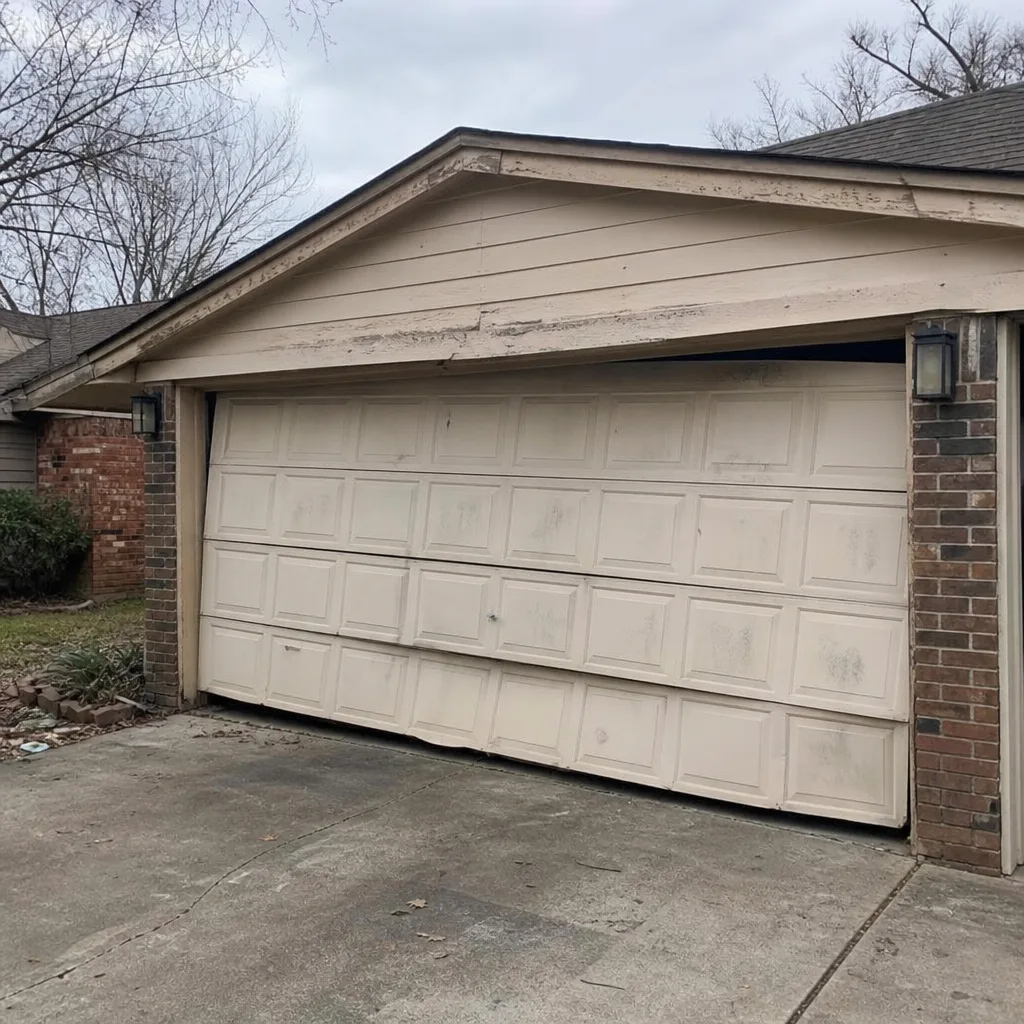 Before
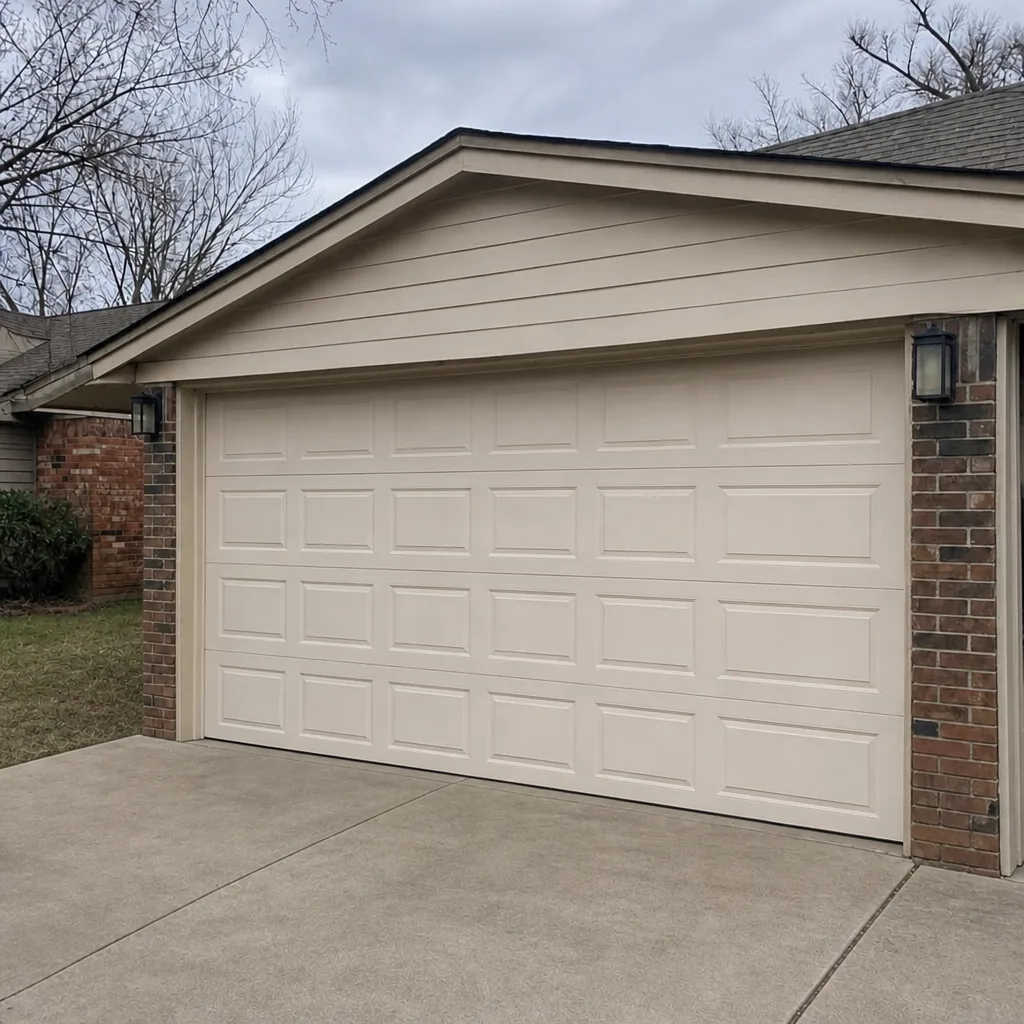 After
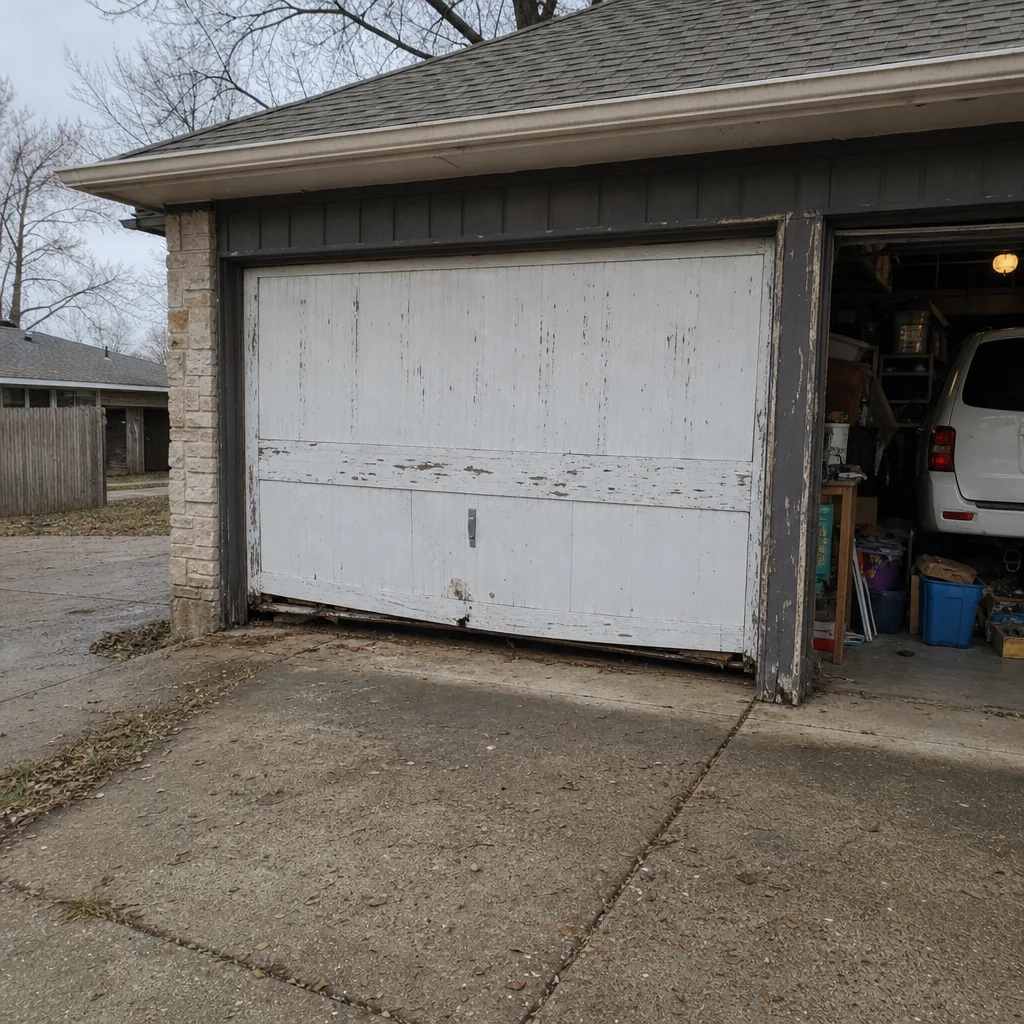 Before
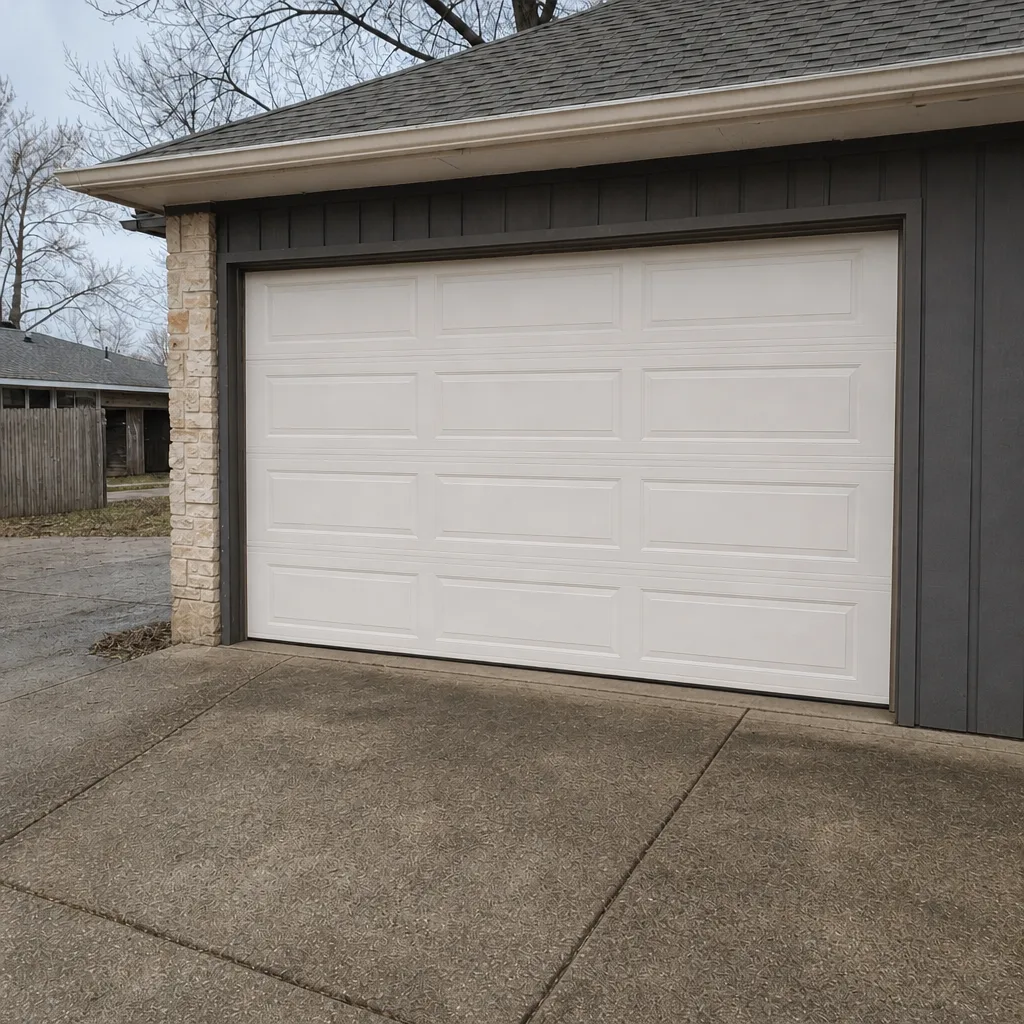 After
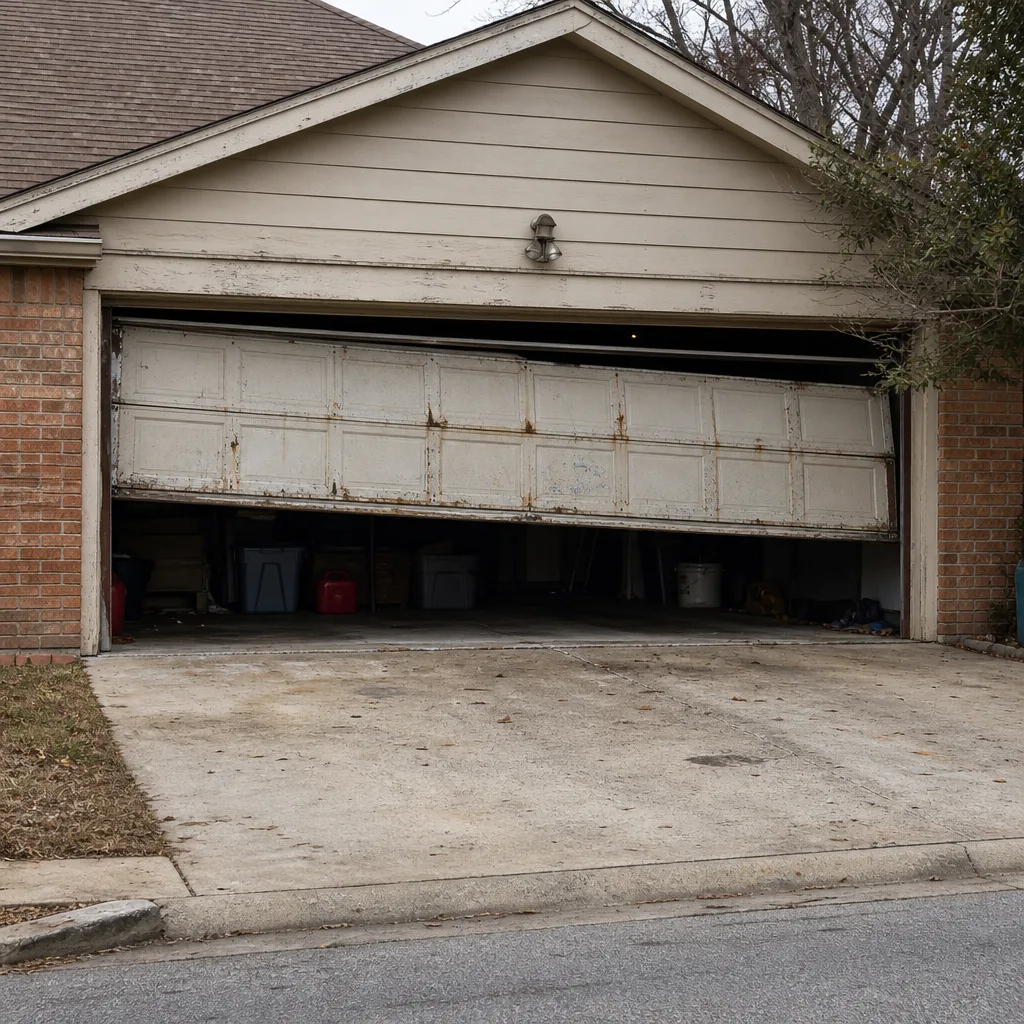 Before
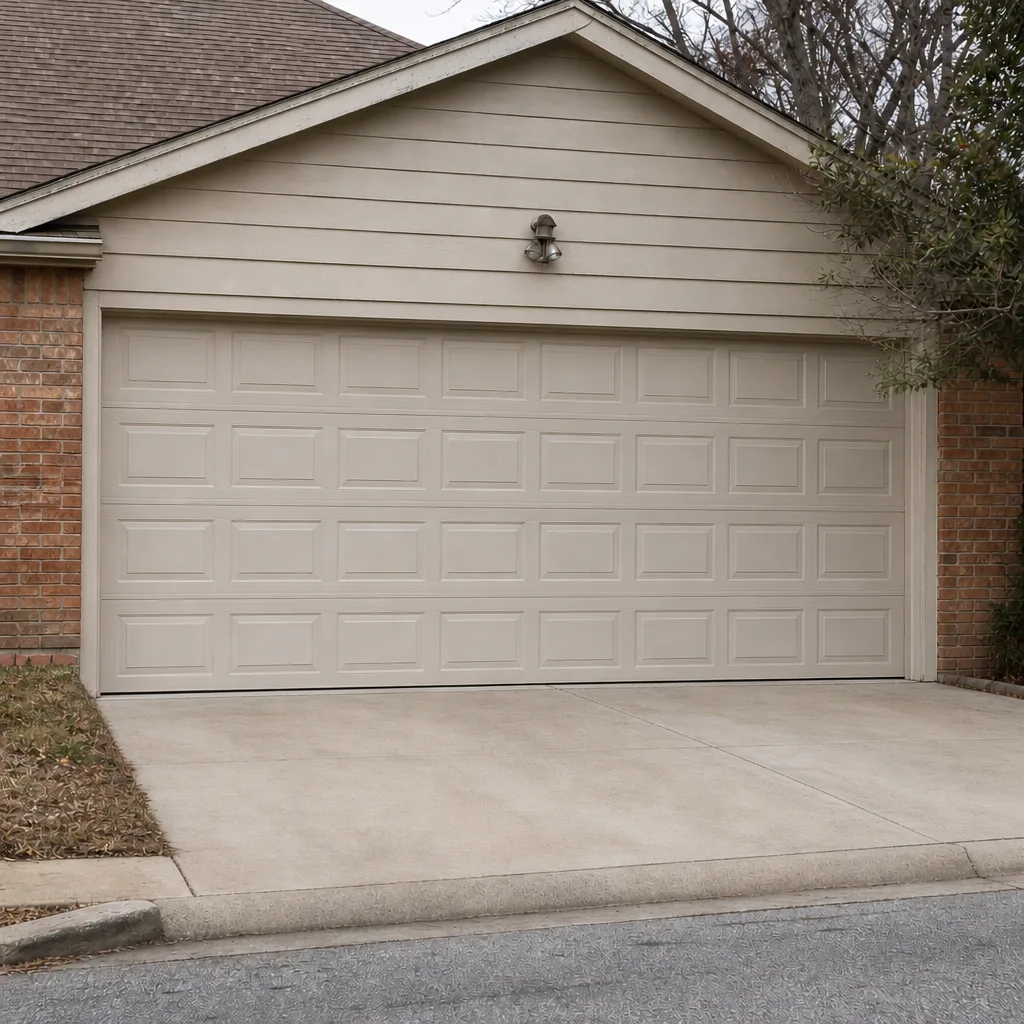 After
When to Call a Professional
Call a professional for any spring, cable, or track issue, any opener concern that involves the logic board, motor, or safety sensors, and any panel damage from storm or impact. Call earlier rather than later if you’re noticing uneven operation, a door that opens partly and reverses, a grinding or popping sound during travel, or a bottom seal that no longer makes contact with the floor. Those are early warnings, not cosmetic issues, and they’re usually cheaper to fix now than after the failure cascades into a second component. Broken Arrow homes see real storm cycles, and a door that’s already carrying a defect is the one that fails when the wind hits. Morningstar Garage Door Repair offers free estimates in Broken Arrow and works on LiftMaster, Chamberlain, Genie, Clopay, Amarr, Wayne Dalton, Craftsman, and Raynor systems. Call (844) 320-3275. We answer 24/7. Fast dispatch from 7am to 7pm, Sunday through Friday.
Frequently Asked Questions
Typical garage door repair in Broken Arrow runs $150 to $350 for a single-component fix like a spring, cable, or roller set. A spring pair runs $360 to $680, and a bottom-section replacement runs $220 to $500 depending on the brand and panel profile. The written estimate sets the final price, and it’s agreed before any work starts. Call (844) 320-3275 for an exact quote; estimates are free.
Yes, in most cases we can book a same-day repair for standard fixes if you call early in the dispatch window. Same-day service applies to repair and opener diagnostic work, not to installation or replacement, which are measured and scheduled. We answer 24/7 and dispatch from 7am to 7pm, Sunday through Friday. Call (844) 320-3275 and we’ll book the next opening.
No, the price is set by the written estimate you agree to before work starts. The occasional exception is when the visible issue turns out to involve a second component the technician could not see until disassembly, in which case you’re shown the finding and the revised quote before anything else is done. Nothing gets done without your approval. Call (844) 320-3275 to book a free estimate.
Yes, the technicians who perform garage door work for Morningstar Garage Door Repair are licensed and insured. Our technicians have up to 13 years of experience across repair, opener diagnostics, and full installation. Ask for credentials at the start of any visit; a professional will provide them without pushback. Call (844) 320-3275 to book.
Often yes, if the damage came from a covered event like hail, high wind, or impact, and subject to your deductible. Mechanical failure of springs or cables is not typically covered because it falls under wear-and-tear. You’ll need photographs, the door’s brand and model, a written itemized repair estimate, and the door’s age to file a claim. Talk to your insurer first, then call (844) 320-3275 and we’ll provide the itemized documentation they usually ask for.
Repair is almost always cheaper if the repair cost lands below about 40 percent of a replacement and no other major components are worn. A single spring, cable, or roller fix on an otherwise healthy door is a repair. When multiple parts are failing at once, or the panel design is discontinued, replacement usually works out cheaper over the next few years. Call (844) 320-3275 and we’ll give you both numbers so you can compare.
The Bottom Line
Garage door costs in Broken Arrow are more predictable than the online averages suggest once you separate parts from labor and door from opener. Budget $150 to $350 for standard repairs, $360 to $680 for a spring pair, $450 to $900 for an installed opener, and $900 to $2,200 for a full replacement depending on door spec. The two things that swing a quote most are brand-specific parts and whether the low bid excluded haul-away, hardware, and wiring. Get an itemized written quote, agree it before work starts, and treat spring and cable work as the professional job it is. If you’re anywhere in the Broken Arrow area and want a real number on your door, our Broken Arrow page has the service coverage details, or you can call (844) 320-3275 for a free estimate. We answer 24/7. Fast dispatch from 7am to 7pm, Sunday through Friday.
We work on the systems most Broken Arrow homes actually have, and one call covers the whole door lifecycle: repair, opener service, and installation through Morningstar Garage Door Repair. If your door won’t open, your opener has stopped responding, or you’re ready for a replacement, call (844) 320-3275 and we’ll get you scheduled with a written price.
Written by the team at Morningstar Garage Door Repair.