
Last updated November 15, 2026
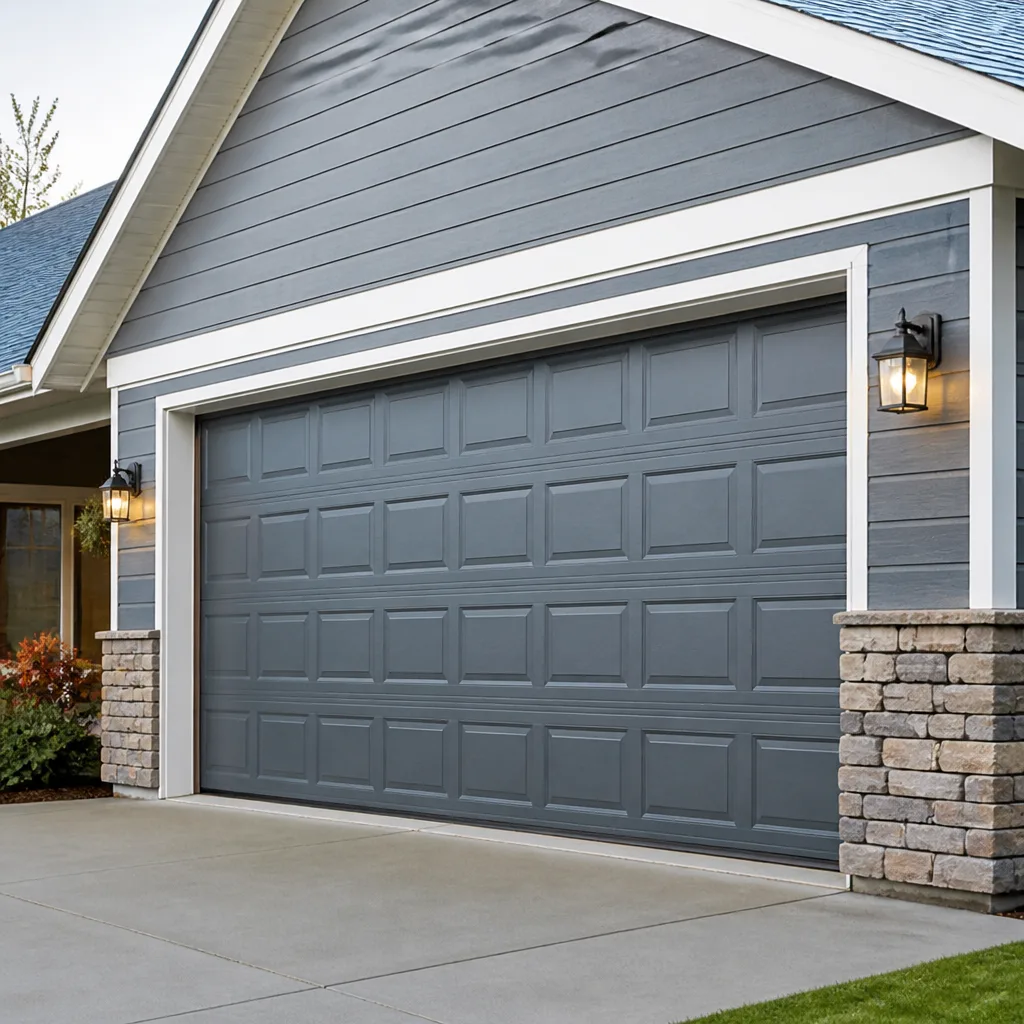 Raised-panel steel
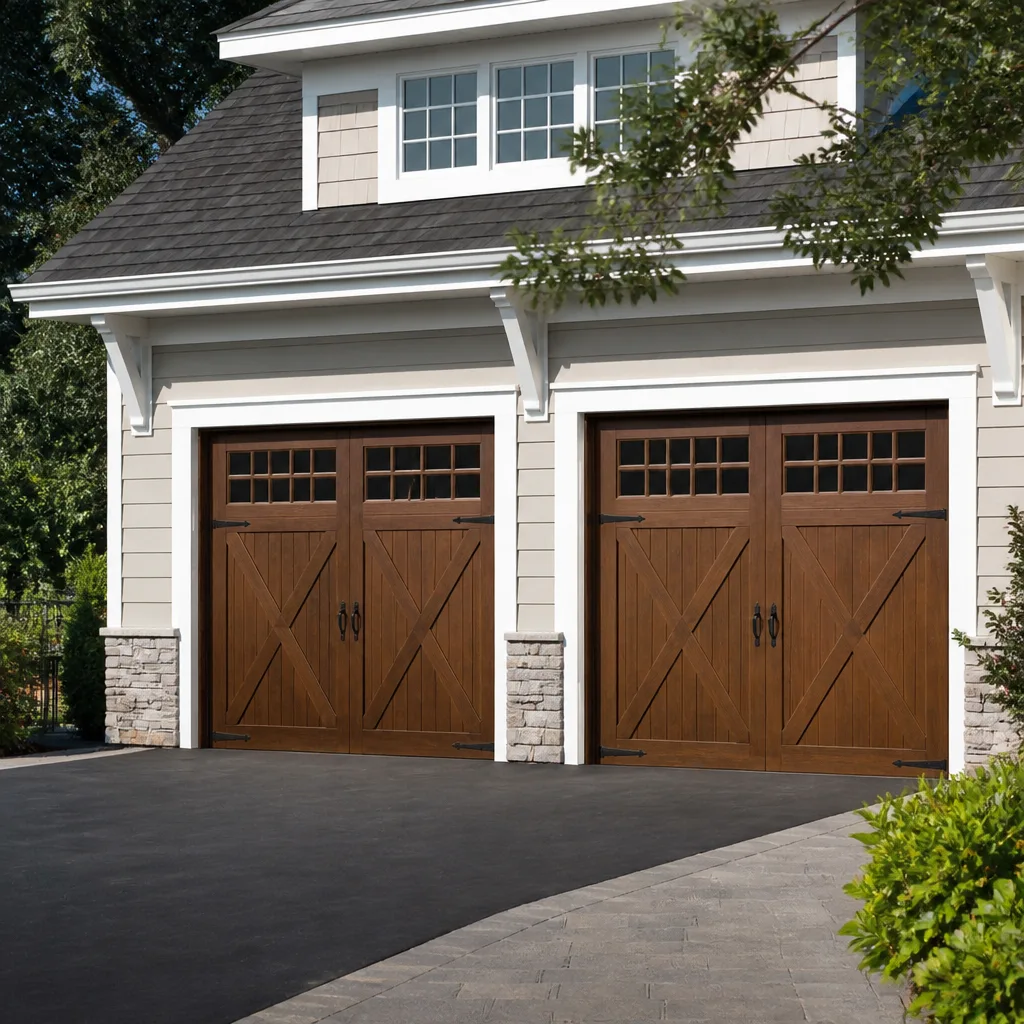 Carriage house
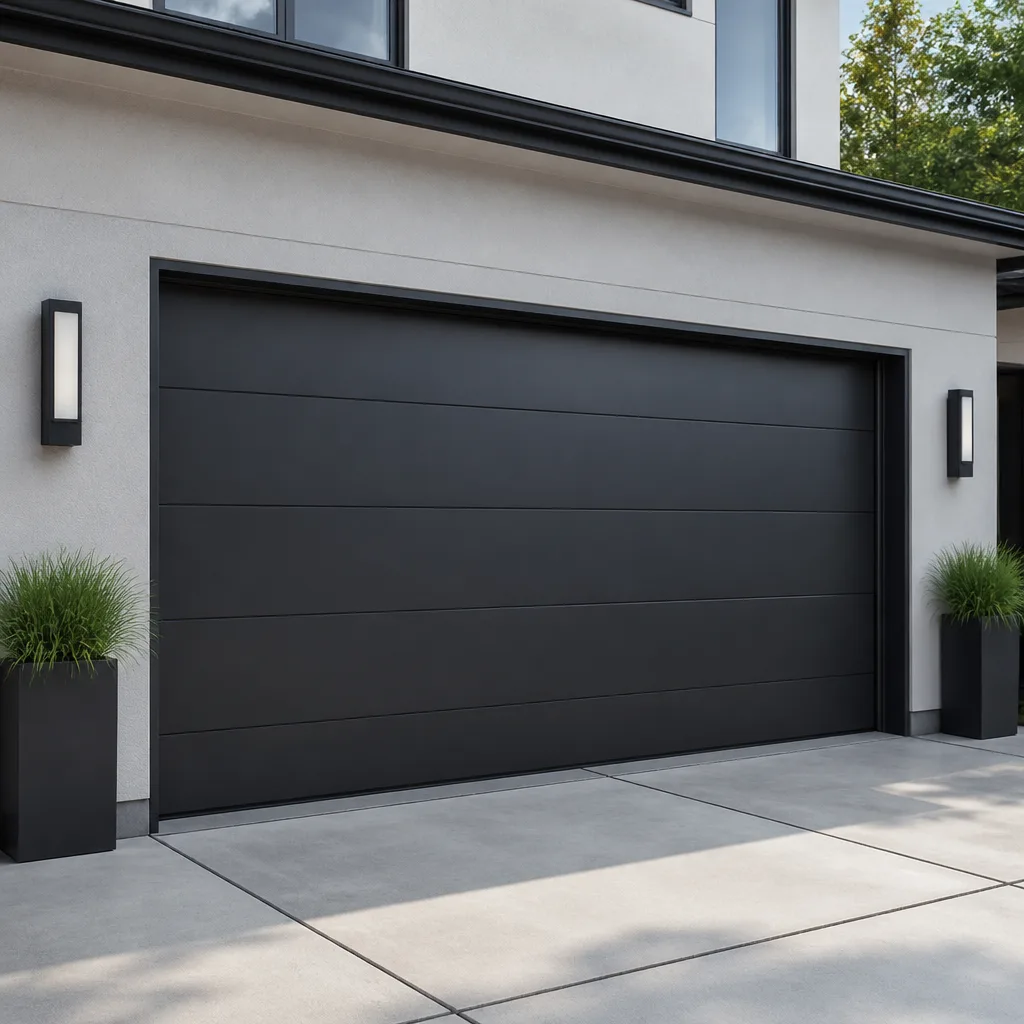 Modern flush
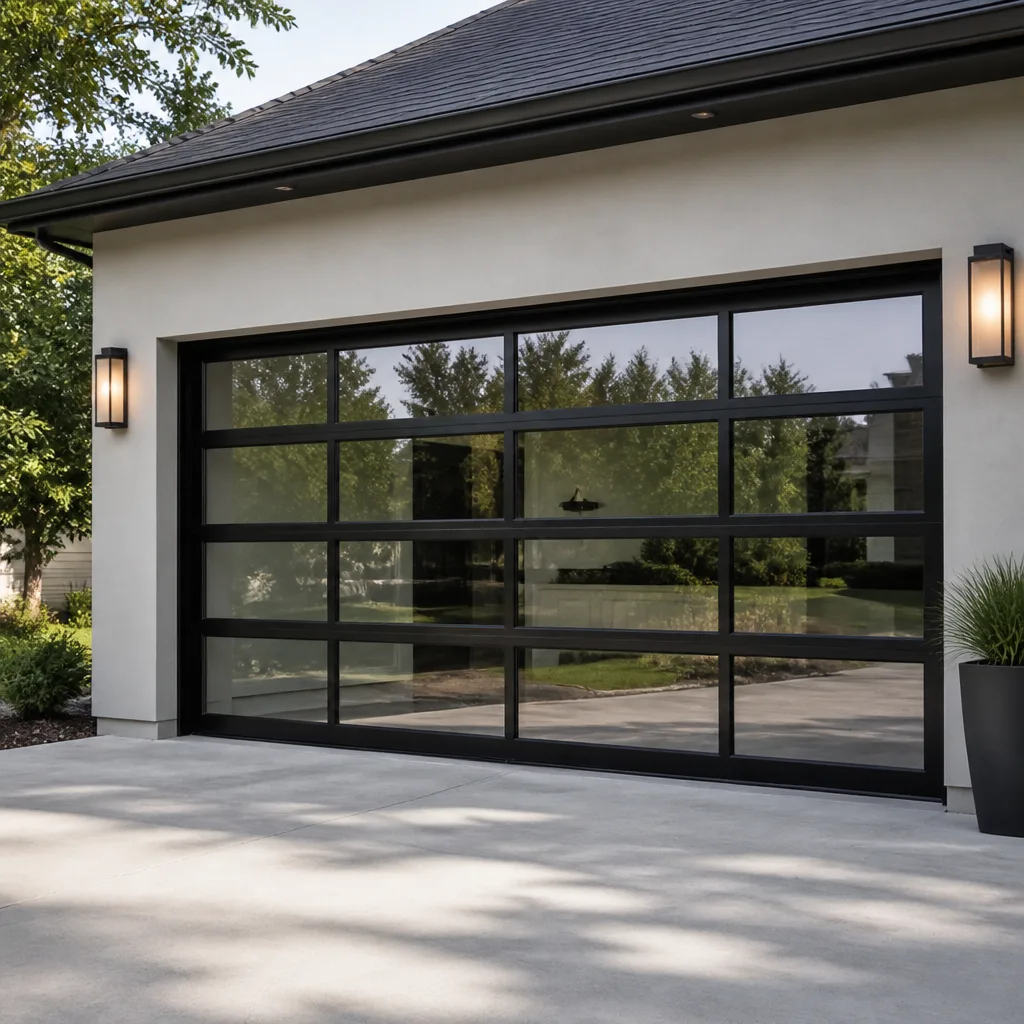 Full-view glass
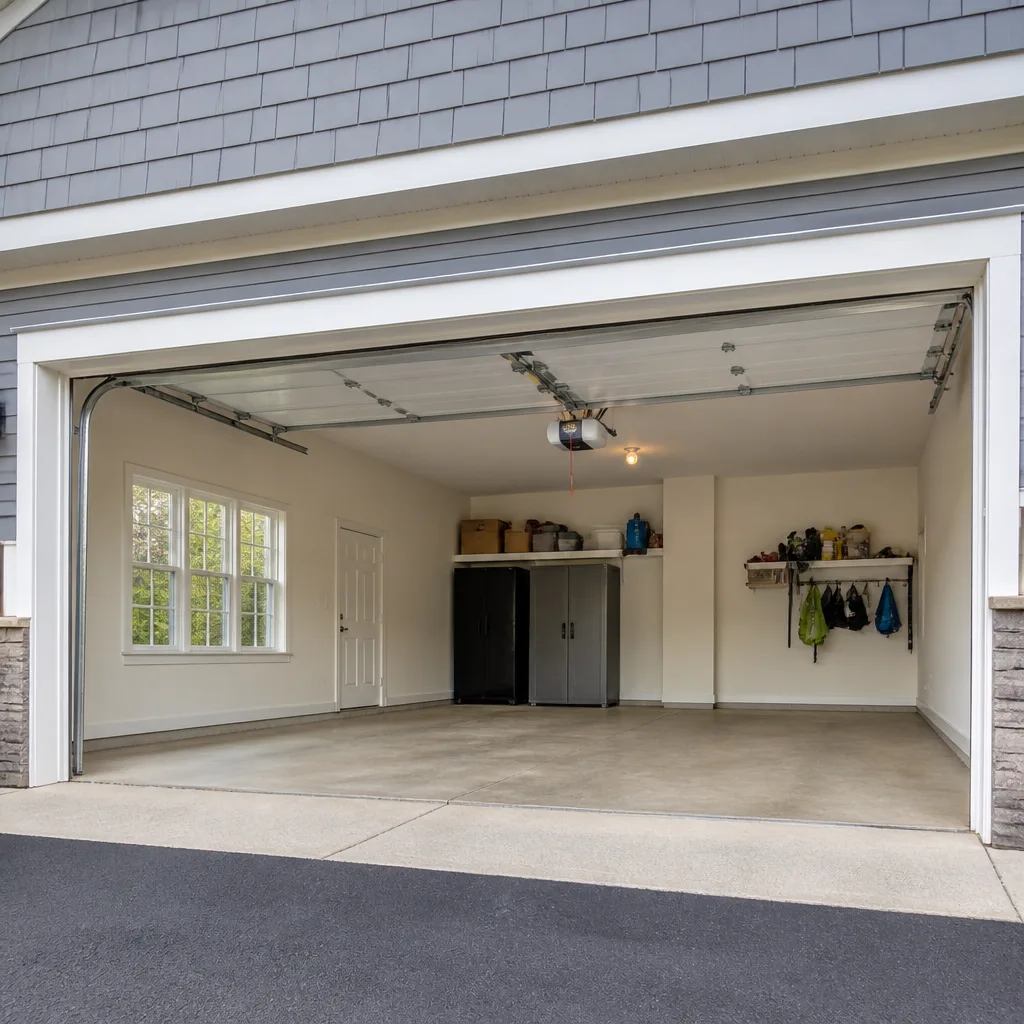 LiftMaster openers
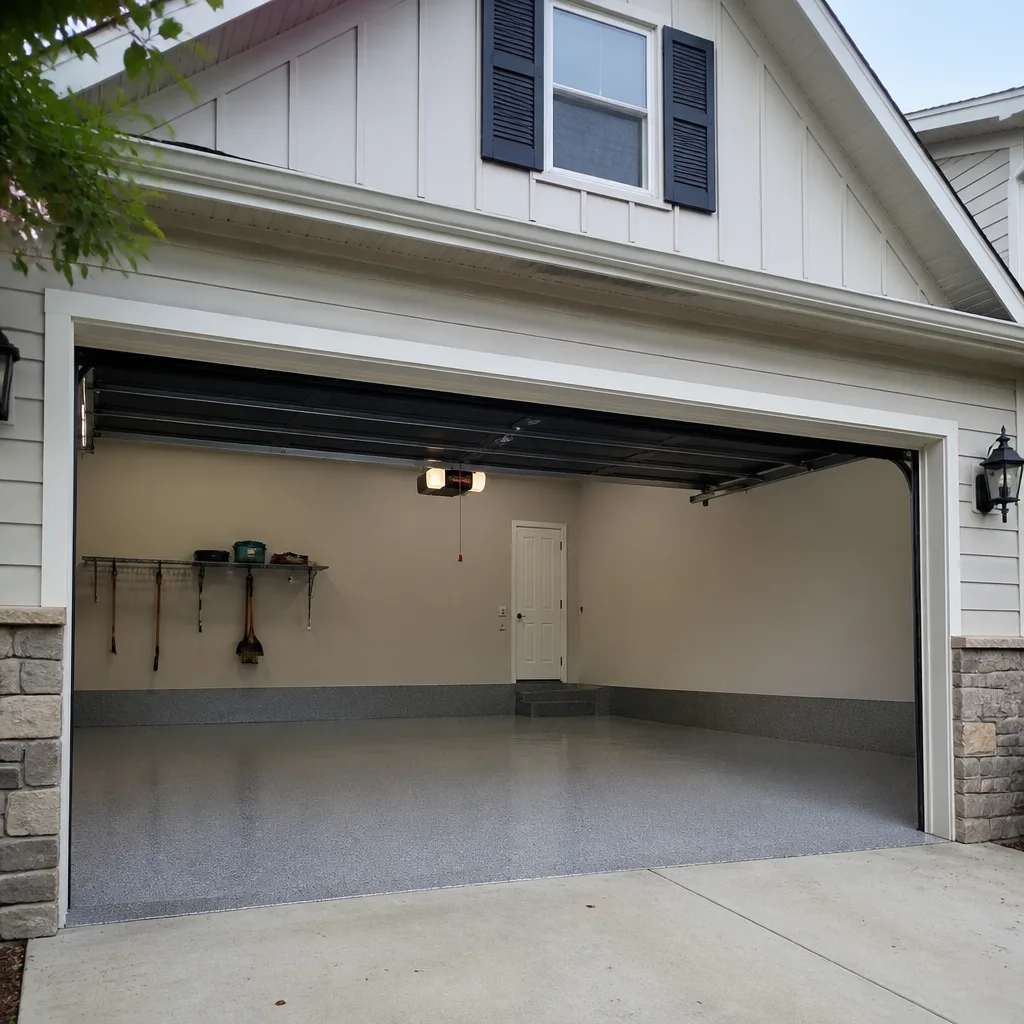 Chamberlain openers
Full 25-point door and opener safety check with every visit - springs, cables, rollers, tracks, and your LiftMaster or Chamberlain opener included
You get a price before we start. It does not change when the pro arrives.
Get your free estimateSeasonal Garage Door Care for Broken Arrow: Year-Round Homeowner’s Guide
Most seasonal garage door advice is written for a climate that doesn’t exist here. You’ll read about “winterizing” and “summer prep” as if the year moves in gentle stages, and none of it matches what a door in Broken Arrow actually goes through. This city doesn’t do mild transitions. It swings from wet freezes that weld rubber seals to concrete, to spring wind events that shove a door sideways on its track, to sustained stretches above 95°F that make a steel door grow enough to trip its own opener. Each season stresses a different part of the system, and each one asks for a different response. This guide walks through all four, in the order they hit, and tells you what to check, what to leave alone, and when a symptom means you should stop and call someone.
Quick Answer
Seasonal garage door care in Broken Arrow means four things across the year: keeping bottom seals from freezing to the threshold in winter, checking tracks and panel balance after spring wind and hail, adjusting opener force settings as summer heat expands the steel, and doing your one real lubrication and balance check in fall before the first freeze. The single most useful habit is a monthly visual check of the seal, tracks, and rollers, because every one of these problems announces itself before it becomes a repair.
Styles & brands we work with
- Raised-panel steel
- Carriage house
- Modern flush
- Full-view glass
- LiftMaster openers
- Chamberlain openers
Table of Contents
- Why Broken Arrow’s Seasons Are Hard on Garage Doors
- Winter: Ice Bonding on Seals and What to Do About It
- Spring: What to Inspect After Wind and Hail
- Summer: Thermal Expansion and Opener Force Settings
- Fall: The One Lubrication Window That Matters
- How to Set Opener Sensitivity Correctly for Each Season
- A Month-by-Month Checklist for Broken Arrow Homeowners
- Common Mistakes to Avoid
- When to Call a Professional
- Frequently Asked Questions
Why Broken Arrow’s Seasons Are Hard on Garage Doors
A garage door is a big moving assembly of steel, rubber, springs, and rollers, and every material in it responds differently to temperature. That’s true everywhere. What makes Broken Arrow different is the range and the speed of the swing. A door here might sit in single-digit cold one week and 70°F the next, then run through a spring that brings both hail and straight-line wind, then settle into a summer with long runs above 95°F. The door doesn’t get time to ease between extremes.
Northeast Oklahoma’s wet freezes are the piece most generic guides miss entirely. It isn’t the cold alone that causes problems. It’s moisture. A thaw during the day leaves water in the gap under the bottom seal, and a refreeze overnight turns that water to ice that bonds the rubber to the concrete. The door is now stuck to the floor, and the opener is trying to lift it anyway.
Then there’s the wind. Spring in this part of the state brings gusts strong enough to bow a panel or nudge a door off its track, and hail that leaves dents people dismiss as cosmetic. Those dents matter more than they look. A door is balanced by its springs against a specific weight. Change the shape or weight of a panel and the balance shifts, which loads the opener and the springs unevenly for the rest of the year. If you want the full picture of how a door is built and balanced, our main page on Morningstar Garage Door Repair covers the system as a whole.
Summer flips the problem. Steel expands in sustained heat, and a door that ran smoothly in April can start dragging in July. That drag is what makes the opener work harder, and it’s where a lot of unnecessary motor replacements get sold to homeowners who just needed their force setting adjusted.
Winter: Ice Bonding on Seals and What to Do About It
Ice bonding under the bottom seal is the number one winter garage door problem in Broken Arrow, and the fix is almost entirely about not forcing things. When a wet freeze bonds the rubber seal to the concrete, the door won’t lift cleanly, and the opener will keep pushing against a door that can’t move. That’s how tracks bend, cables jump, and openers burn out.
Here’s the sequence that prevents most of it:
- Break the bond by hand before you touch the opener. Disconnect the opener using the release cord, then lift the door manually a few inches to see whether it’s stuck. If it won’t budge, it’s bonded, and running the motor will only damage something.
- Free the seal with warm water, not force. A cloth soaked in warm water along the seal line softens the ice without cracking the rubber. Never pour hot water on it and never chip at it with a tool. Both damage the seal, and a torn seal lets water back in to refreeze.
- Dry the threshold completely. Once it’s free, wipe the concrete and the bottom of the seal dry so the next freeze starts from a dry surface.
- Treat the seal with a silicone-based lubricant. A light coat on the rubber and the concrete it contacts reduces how aggressively ice grabs. This is the single best preventive step for a Broken Arrow winter.
If your bottom seal is old, cracked, or flattened, no amount of lubricant will keep the ice out. A worn seal lets water pool in the gap and refreeze, and once that cycle starts, it repeats all winter. Replacing a bottom seal is one of the cheaper fixes in garage door work, and doing it before the first hard freeze saves you a season of prying. If your seal is shot and the door is binding, that falls squarely under garage door repair, and it’s worth sorting before the cold settles in.
One safety note worth repeating every winter: garage door springs and the cables under tension are the most dangerous parts of the system. Never attempt to adjust, remove, or “tighten” a spring or cable yourself. Those parts store enormous energy, and a mistake can cause serious injury. That work belongs to a trained technician.
Spring: What to Inspect After Wind and Hail
After a high-wind or hail event in Broken Arrow, the temptation is to glance at the door, see it still goes up and down, and move on. Don’t. Wind and hail leave marks that don’t show up as an immediate failure but change how the door operates over the following months. Here’s what to inspect after a storm:
- Tracks for bending or misalignment. Look down each vertical and horizontal track from the side. A track that’s been pushed off plumb will make the door drag and the rollers wear unevenly.
- Panels for dents and bowing. Run your hand along each panel. A dent that looks cosmetic has added or shifted weight, which throws off the door’s balance against its springs.
- Rollers for flat spots and looseness. Wind-driven vibration can crack a nylon roller or loosen a hinge. Wobble in a roller means it’s on its way out.
- Weatherstripping for tears. Hail shreds the seal along the sides and top as easily as it dents panels. A torn seal lets water into the tracks, where it freezes or rusts.
- The door’s balance. Disconnect the opener, lift the door to about halfway, and let go. A balanced door stays put. A door that drifts down on its own is out of balance and needs attention before it strains the opener.
Balance is the one homeowners most often skip and most often get wrong. A door that’s out of balance after a storm feels “heavy” or “slow” and the opener compensates by working harder every single cycle. Left alone, that’s what turns a small panel issue into a motor replacement or a spring failure. If the door won’t hold its position when you test it, that’s a professional call, and our page on Broken Arrow explains how we handle assessments across the city.
Spring is also the time to look at the door’s hardware with fresh eyes. Loose hinge screws, a bent roller bracket, a track that’s a quarter-inch off, all of these are quick to fix now and expensive to ignore until summer.
Summer: Thermal Expansion and Opener Force Settings
Steel expands when it heats up, and a Broken Arrow summer gives it plenty of reason to. A door that ran clean in April can start dragging, binding, or reversing partway down in July, and the door itself hasn’t changed. The metal has grown just enough that the tolerances tighten and the opener’s force setting is no longer right for the conditions.
This is where a lot of money gets spent unnecessarily. A door that binds in the heat looks like a failing opener, so the opener gets replaced. The new one binds too, because the problem was never the motor. It was the fit between the door and its tracks in expanded metal. Understanding the difference saves you from paying for parts you didn’t need.
What to watch for in the heat:
- Rubbing or scraping sounds as the door moves, which usually means a roller or edge is contacting the track.
- The door reversing partway down or stopping short, which points to the opener’s safety system sensing resistance.
- A door that moves easily in the morning and binds in the afternoon, the clearest sign of thermal expansion.
Two adjustments handle most summer issues. First, check that the tracks are still square and that rollers have a little clearance. Second, set the opener’s force and travel limits for the hotter conditions, which we cover in detail below. If your opener is a garage door opener repair case, meaning the motor is actually failing rather than just mis-set, that’s a different diagnosis, and the brand matters. Most of the summer binding we see is on motorized systems, and the fix depends on whether it’s a LiftMaster, Chamberlain, Genie, or another drive system entirely.
Don’t overlook the safety reverse test in summer. Federal safety standards require a door to reverse when it meets an obstruction, and heat-related drag can mask a failing sensor. Put a small object in the door’s path and confirm it reverses. If it doesn’t, stop using the door and get it looked at.
Fall: The One Lubrication Window That Matters
Fall is the season when a little work pays off all winter. It’s the one window where you can lubricate and balance the door while the weather is still mild, so everything is ready before the first wet freeze bonds the seal and stiffens the moving parts. Skip it and you spend winter fighting a door that started the season already tight.
The key is using the right products. The wrong lubricant is worse than none, because it thickens in cold and gums up rollers and hinges so the door drags worse than before. Use these:
- Silicone-based spray lubricant for the bottom seal, the hinges, and the rollers. Silicone stays fluid in cold and won’t attract grit the way oil does.
- White lithium grease for the opener’s rail and drive screw, where you need a heavier film that holds.
- Never use WD-40 as a lubricant. It’s a solvent, not a long-term lubricant, and it will strip the existing grease and leave parts dry for winter.
- Skip household oil and cooking spray entirely. Both gum up in the cold and turn into a sticky mess that collects dust.
Once the door is lubricated, run the balance test again. Disconnect the opener, lift the door halfway, and let it go. It should hold. If it drifts, the springs are out of balance and the opener will fight them all winter. That’s the point where a professional check saves you from a mid-January failure. Fall is also the right time to inspect the bottom seal, since replacing it now means a dry, clean threshold going into the freeze cycle.
A good fall routine takes under an hour and covers the whole year’s wear: lubricate every moving point, test the balance, check the seal, tighten any loose hinge screws, and clear debris from the tracks. Done consistently, it prevents most of the emergency calls that pile up in the cold months.
How to Set Opener Sensitivity Correctly for Each Season
Opener force settings are adjustable on nearly every residential opener, and almost nobody adjusts them seasonally. They should. The same door needs different force and travel settings in January than in August because the door’s resistance changes with the temperature. A setting that’s right in spring will be too tight in summer and too loose in winter.
The force setting controls how hard the opener pushes before it gives up, and the travel limits control how far it opens and closes. Together they tell the opener what “normal” feels like. Here’s how to think about setting them for the season:
- Set force in the current season, not the ideal one. Adjust the force limits during a stretch of typical weather for that season. Setting it on an unusually cool July day gives you a setting that fails in a hot August.
- Keep the margin small. Increase force only until the door moves smoothly with a little room to spare. Too much force masks a real problem and stresses the door; too little makes the opener reverse on its own.
- Recheck the safety reverse after every adjustment. An obstruction in the door’s path must make it reverse. This is non-negotiable and it’s the one setting you never loosen to “make it work.”
- Revisit force after a weather swing, not on a schedule. After a week above 95°F or a hard freeze, test the door and adjust if it’s binding or reversing.
- Know when settings won’t fix it. If no amount of adjustment keeps the door running smoothly, the problem is mechanical, not electronic. That’s a hardware issue, and it needs a technician, not another setting.
The brand of your opener matters here, because force adjustment procedures differ between manufacturers. Chamberlain and Genie, for example, use different adjustment methods and different travel-limit procedures. If you’re not sure of your model or can’t find the adjustment on the motor head, our technicians have experience with all the common residential brands, including LiftMaster, Chamberlain, Genie, Clopay, Amarr, Wayne Dalton, Craftsman, and Raynor. Diagnosing by system rather than guessing is the difference between a correct adjustment and a repeat visit.
One caution: if your door won’t lift on its own, don’t crank up the force to compensate. That’s a spring or balance problem, and increasing force on a failing system accelerates the wear. Springs and cables are under high tension and are genuinely dangerous. Leave those to a trained technician.
A Month-by-Month Checklist for Broken Arrow Homeowners
Here’s the whole year in one place, in the order the seasons arrive. This is the routine we’d suggest for any door in Broken Arrow, and it takes a few minutes a month.
- January: Test the door by hand before running the opener. Break any ice bond with warm water, dry the threshold, and check the seal for cracking.
- February: Repeat the freeze check. It’s the toughest month for bonded seals, so keep the seal lubricated and watch for a door that binds on the way up.
- March: Inspect tracks, panels, rollers, and weatherstripping after the first big wind event. Test the door’s balance.
- April: Check for hail dents and panel distortion. Re-test balance and safety reverse.
- May: Clear debris from the tracks and tighten any loose hinge screws before summer heat arrives.
- June: Adjust the opener’s force setting for hot weather. Listen for binding as the steel expands.
- July and August: Watch for a door that binds in the afternoon and moves easily in the morning. That’s thermal expansion, and a force adjustment handles it.
- September: Lubricate every moving part with silicone spray and white lithium grease, test the balance, and inspect the bottom seal before the first freeze.
- October: Replace a worn seal now, while the threshold is dry and the weather is mild.
- November and December: Re-test the freeze cycle and keep the seal lubricated. Confirm the safety reverse works in cold conditions.
A monthly check of the seal, tracks, and rollers catches most problems before they become repairs, and the two big seasonal touchpoints, spring and fall, do the heavy lifting.
Common Mistakes to Avoid
- Forcing a frozen door open with the opener. This is the single most expensive mistake in a Broken Arrow winter. Disconnect the opener and free the ice by hand first, or you’ll bend tracks and strain the motor.
- Cranking up the force setting to hide a binding door. A door that needs more force than usual has a mechanical problem. Increasing force to compensate wears out the opener and masks the real fix.
- Using the wrong lubricant. Oil, cooking spray, and WD-40 all gum up in cold weather and collect grit. Silicone spray and white lithium grease are the only products that hold up through an Oklahoma winter.
- Ignoring a “cosmetic” hail dent. A dented panel changes the door’s weight and balance. What looks like a surface mark can load the springs unevenly for months.
- Adjusting springs or cables yourself. Springs and cables store dangerous energy. Don’t touch them. This is a job for a technician, without exception.
- Skipping the fall lubrication window. Fall is the one time you can prep the whole system while it’s still mild. Skip it and you’ll fight a stiff door all winter.
- Setting opener sensitivity once and never again. The same door needs different settings in January than in August. Check force and travel after weather swings, not just at installation.
When to Call a Professional
Some issues are homeowner jobs and some aren’t, and knowing the line keeps you safe and saves you money. Call a professional when the door won’t stay in place during the balance test, when a spring has visibly broken or the door feels unusually heavy, when tracks are bent or off plumb, when the door reverses for no apparent reason, or when the opener cycles but the door doesn’t move. Those are signs of a mechanical or electrical fault that seasonal care won’t fix, and forcing them ends in a bigger repair. If a door fails on a Saturday, know that we’re closed that day, but you can call and we’ll book it into the next opening, Sunday through Friday, 7am to 7pm.
Morningstar Garage Door Repair offers free estimates in Broken Arrow. Call (844) 320-3275. We answer 24/7. Fast dispatch from 7am to 7pm, Sunday through Friday.
Frequently Asked Questions
You should do a short visual check monthly and two deeper maintenance passes a year, one in spring and one in fall. The monthly check covers the seal, tracks, and rollers; the fall pass handles lubrication and balance, and the spring pass handles any damage from wind and hail. That schedule catches most problems before they become repairs.
It sticks because a wet freeze leaves moisture under the bottom seal, and that moisture refreezes and bonds the rubber to the concrete. Free it with warm water, dry the threshold, and coat the seal with silicone spray. Replacing a worn seal before winter prevents the problem from coming back. If it’s binding badly, call (844) 320-3275 for a free estimate.
Your door is likely dealing with thermal expansion. Steel grows in sustained heat, so the door tightens against its tracks and the opener’s force setting is no longer right. Adjusting force and travel limits for the hotter weather usually solves it. If the binding persists after adjustment, call us for a free estimate at (844) 320-3275.
Yes, most residential openers have adjustable force and travel limits you can set yourself, though the procedure differs by brand. Adjust during typical weather for the season, keep the margin small, and always re-test the safety reverse afterward. If you can’t find the adjustment or the door still binds, call (844) 320-3275 for a free estimate.
Use silicone-based spray on the seals, hinges, and rollers, and white lithium grease on the opener’s rail. Avoid oil, cooking spray, and WD-40, because all three gum up in cold weather and collect grit. Getting the product right in fall is what makes the door run smoothly through winter.
No. Garage door springs and cables are under high tension and store dangerous energy, so adjusting or removing them yourself can cause serious injury. That work belongs to a trained technician. If you suspect a spring problem, stop using the door and call (844) 320-3275 for a free estimate.
The Bottom Line
Broken Arrow doesn’t give garage doors a gentle year. Wet freezes bond seals to concrete, spring wind and hail quietly knock doors out of balance, summer heat expands steel until the opener fights itself, and fall is your one clean window to lubricate and rebalance everything before the cold returns. The good news is that a monthly visual check plus two seasonal passes covers most of it. Handle the freeze by hand, use the right lubricant, recheck the balance after storms, and adjust opener force as the weather swings. Anything involving springs, cables, or a door that won’t hold its position goes to a technician. That routine keeps a door running through every season Broken Arrow throws at it. If you’d rather have it checked properly, Morningstar Garage Door Repair offers free estimates in Broken Arrow. Call (844) 320-3275. We answer 24/7. Fast dispatch from 7am to 7pm, Sunday through Friday. Our technicians have up to 13 years of experience, and we work on all the common residential brands like LiftMaster, Chamberlain, Genie, Clopay, Amarr, Wayne Dalton, Craftsman, and Raynor, so one call covers repair, opener service, and installation.
Written by the team at Morningstar Garage Door Repair.
See the difference
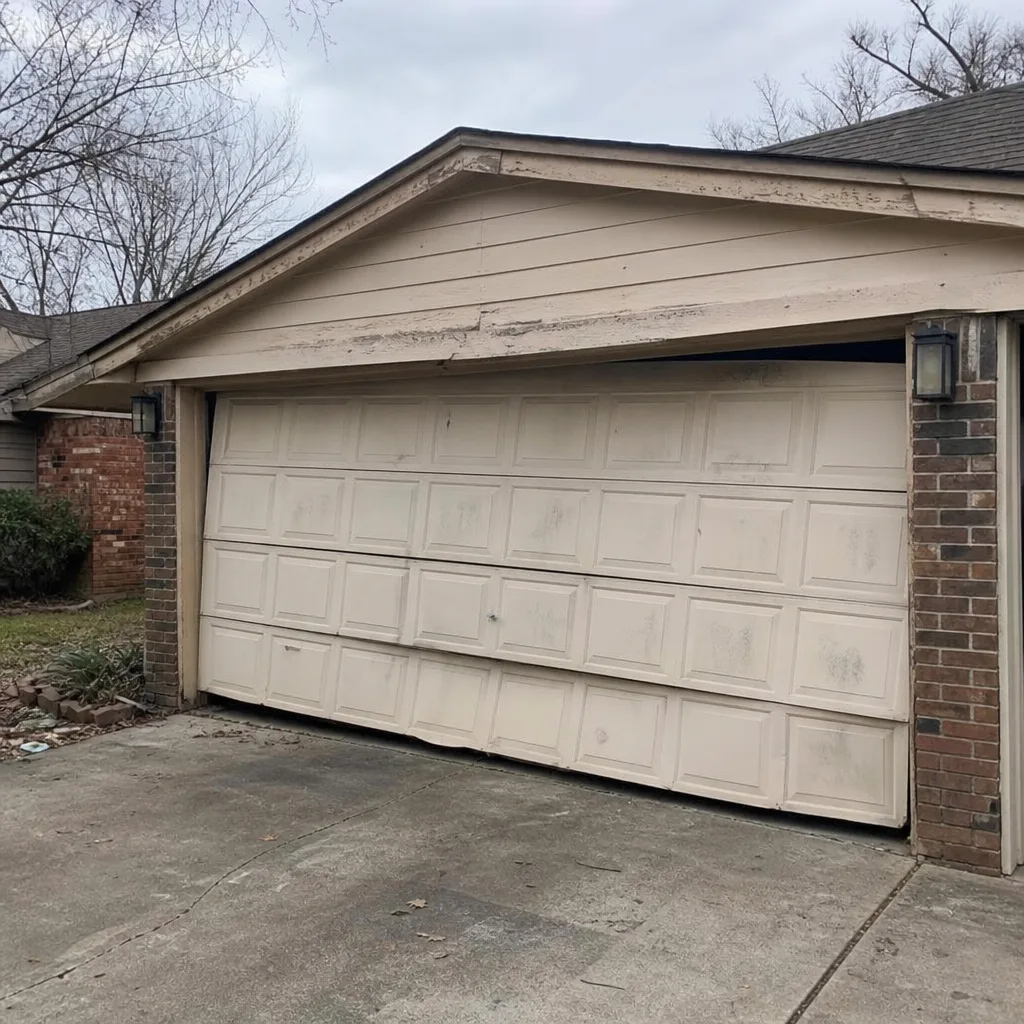 Before
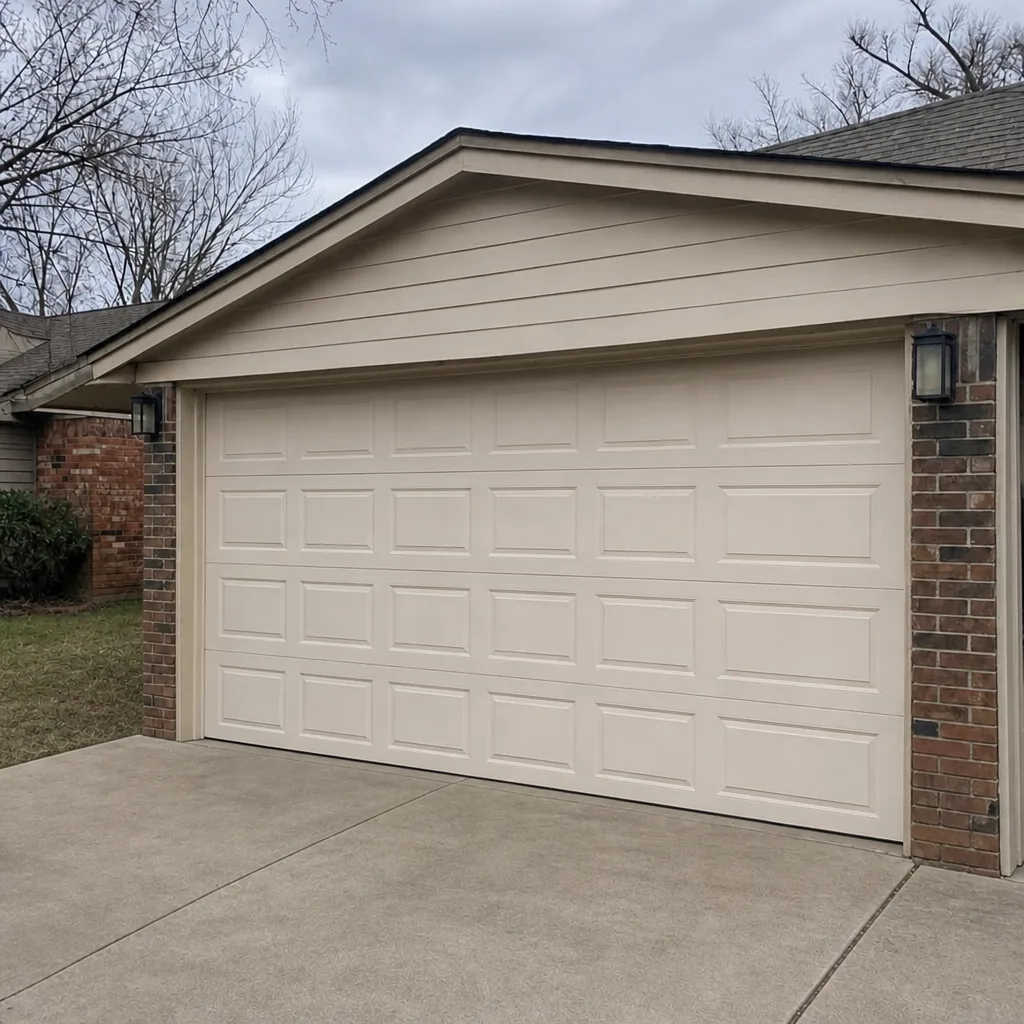 After
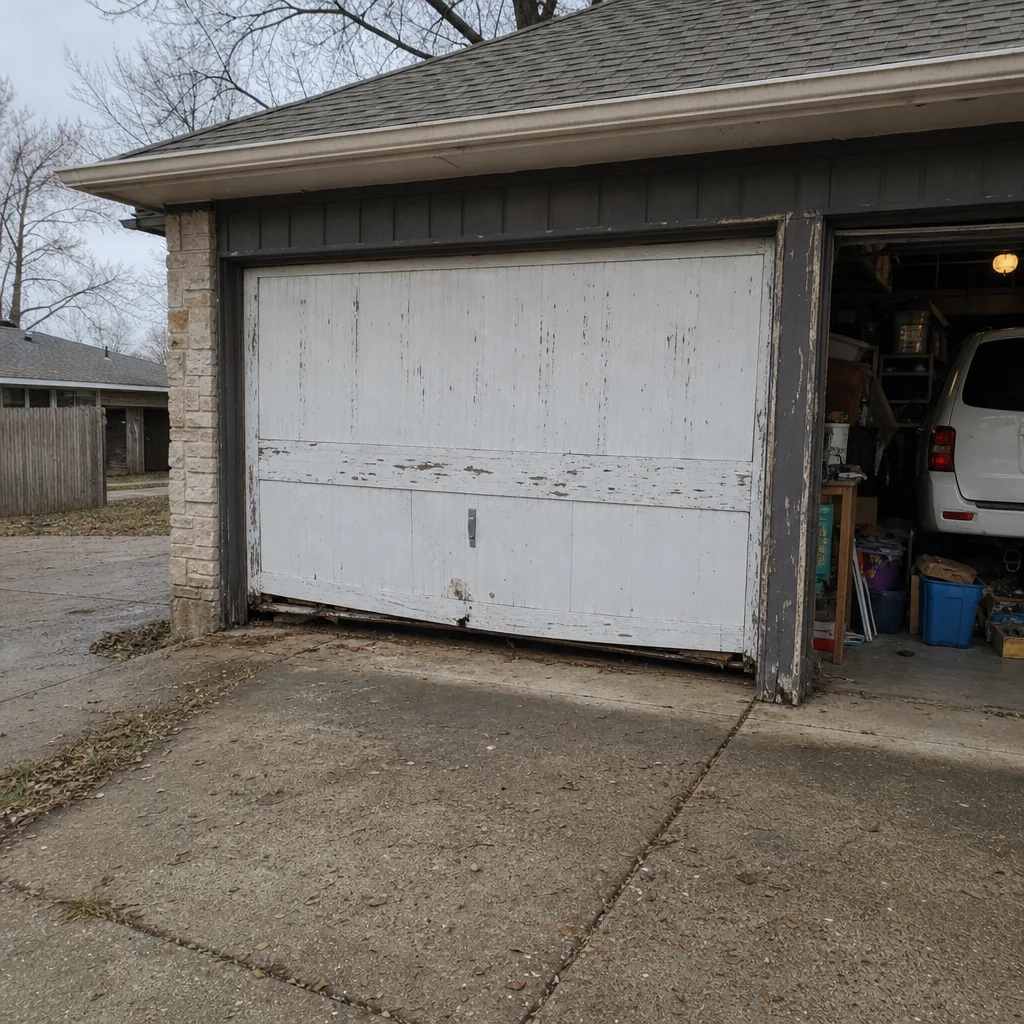 Before
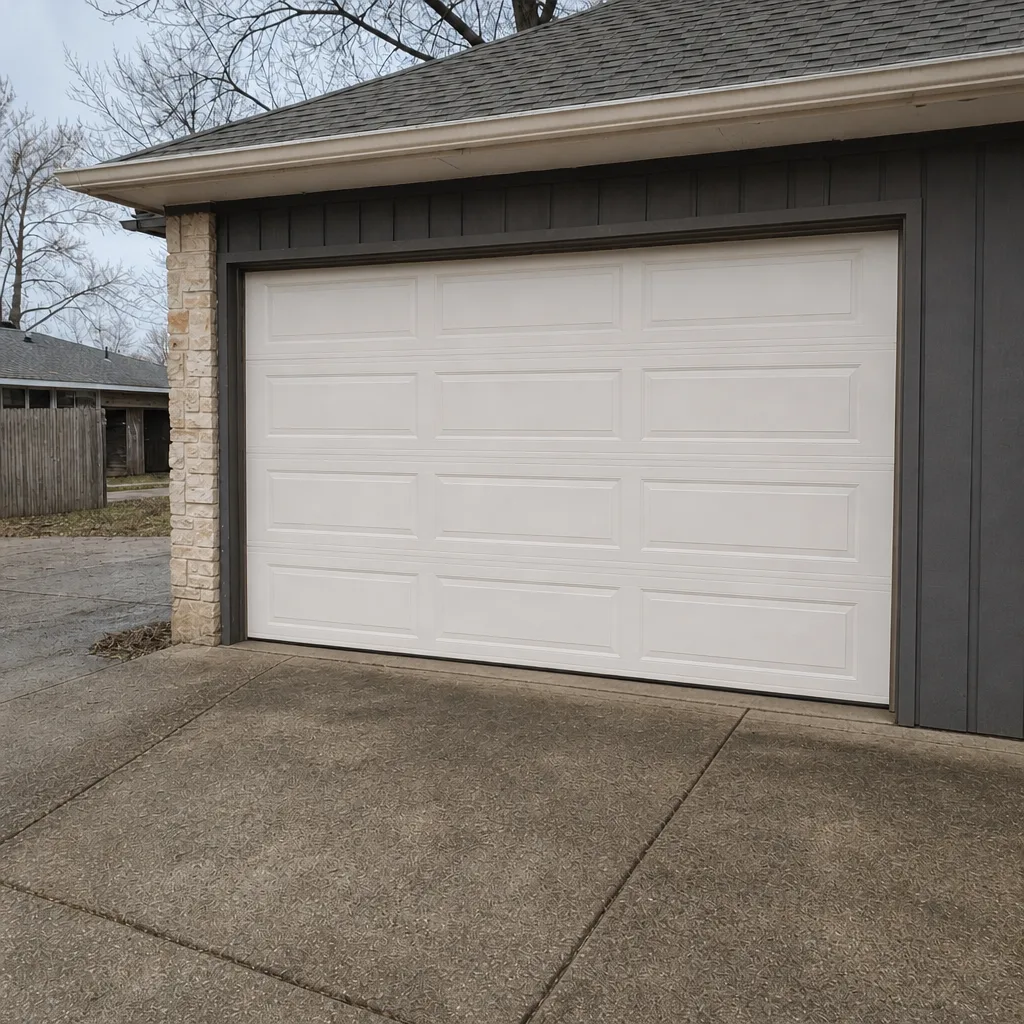 After
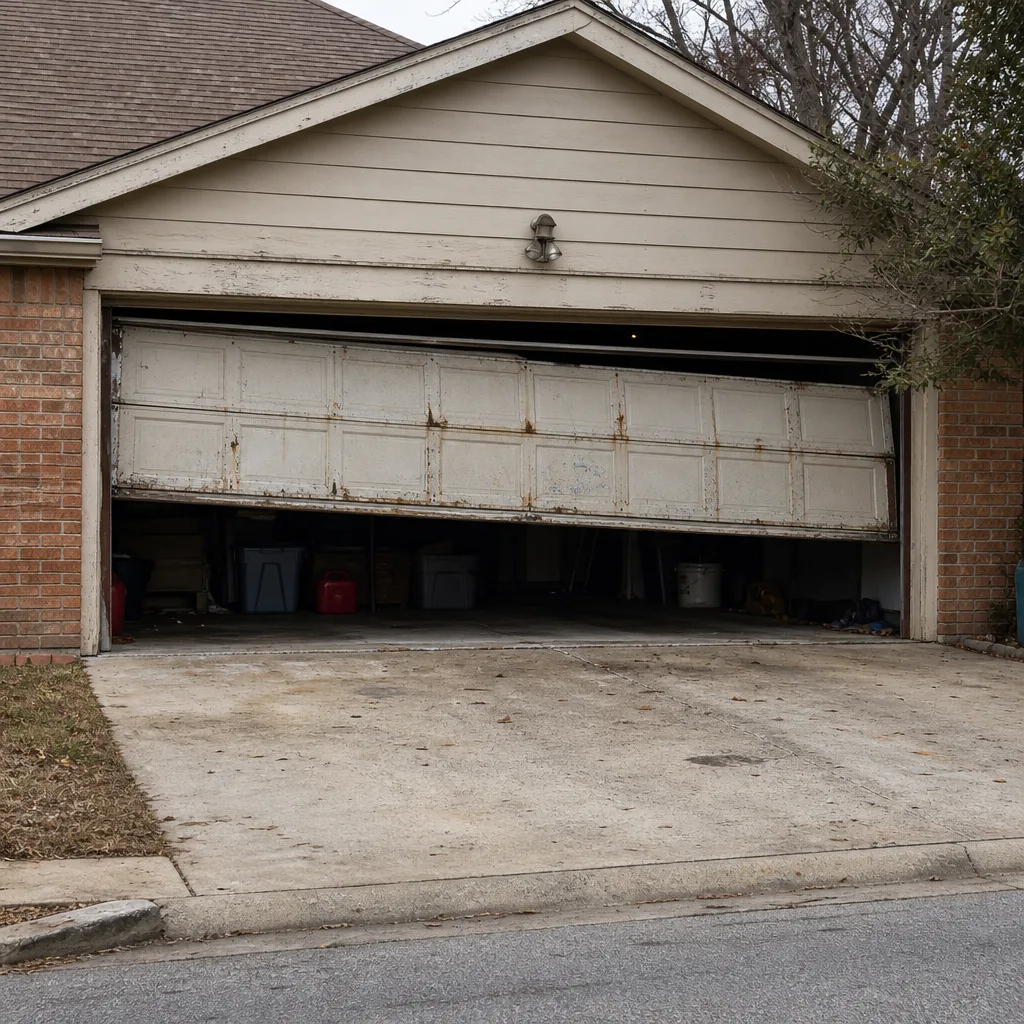 Before
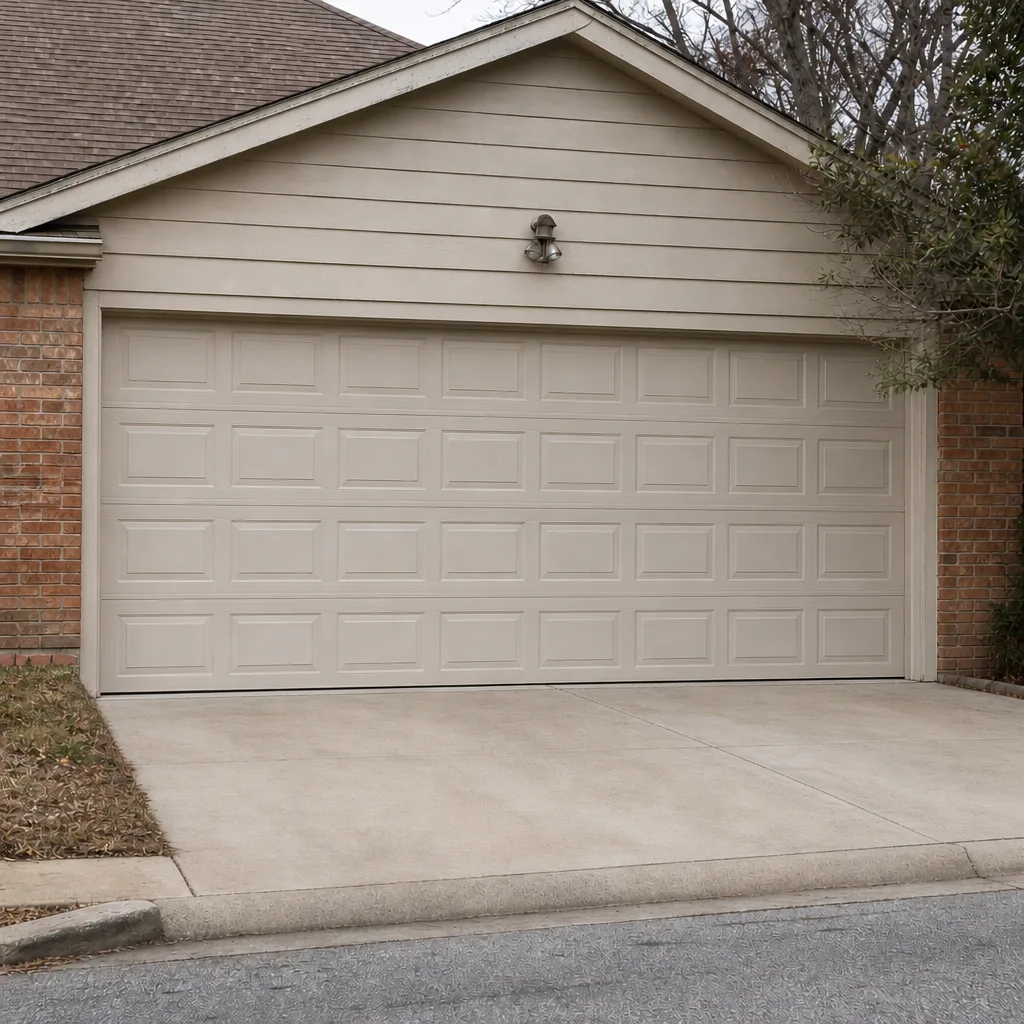 After