
Last updated November 15, 2026
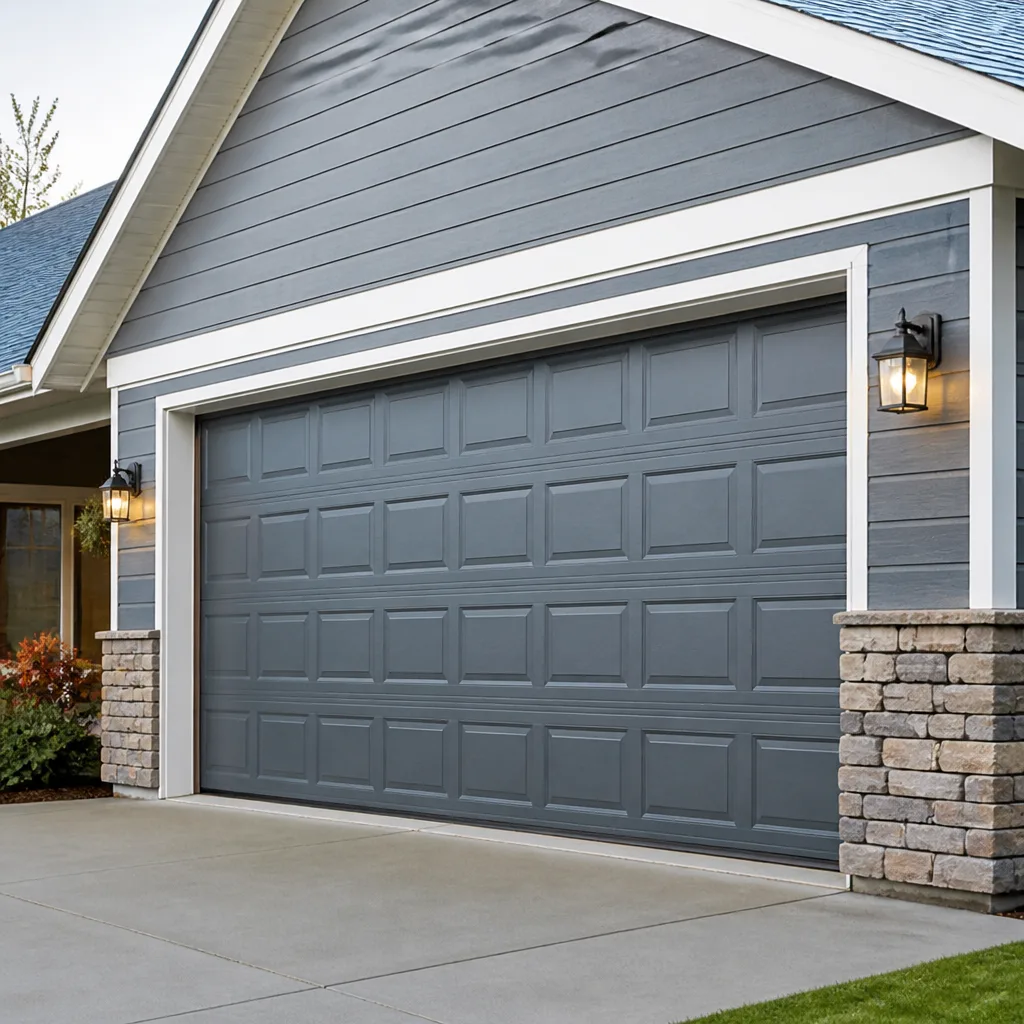 Raised-panel steel
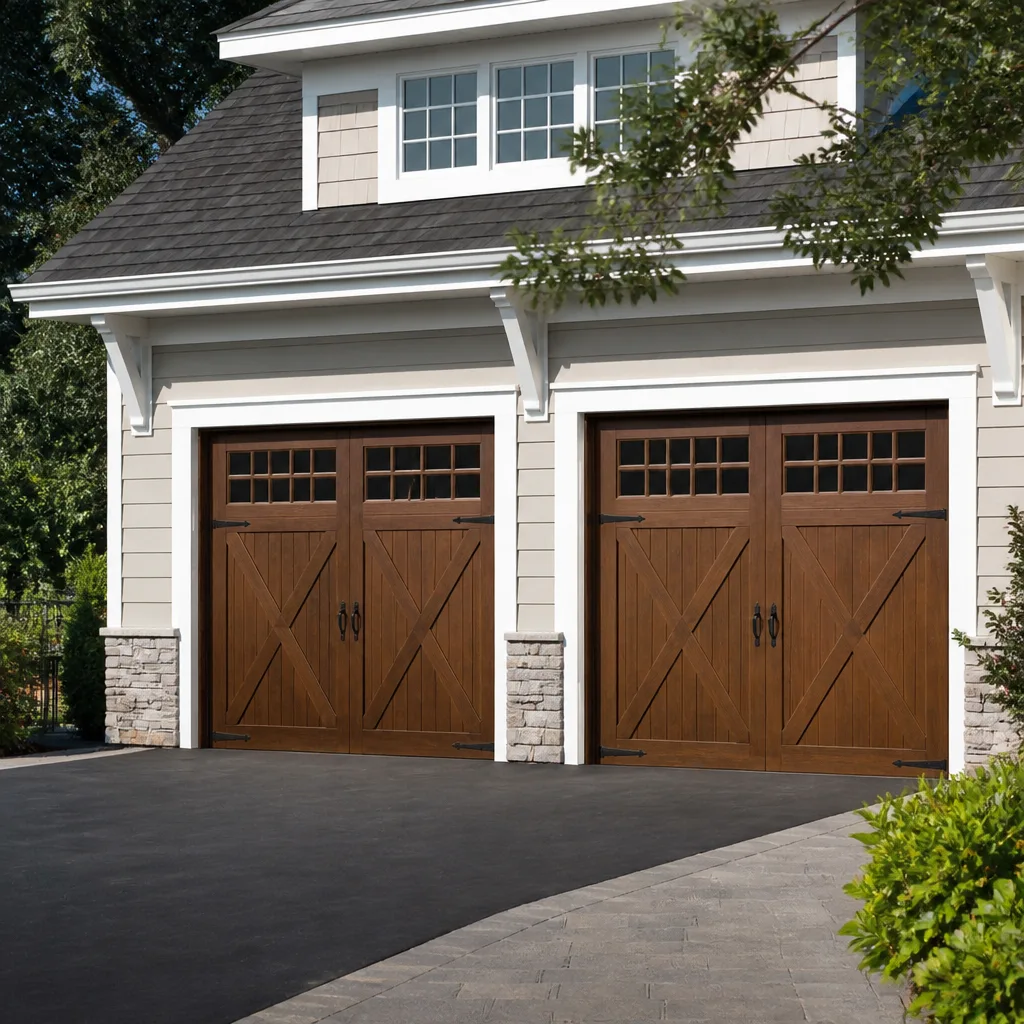 Carriage house
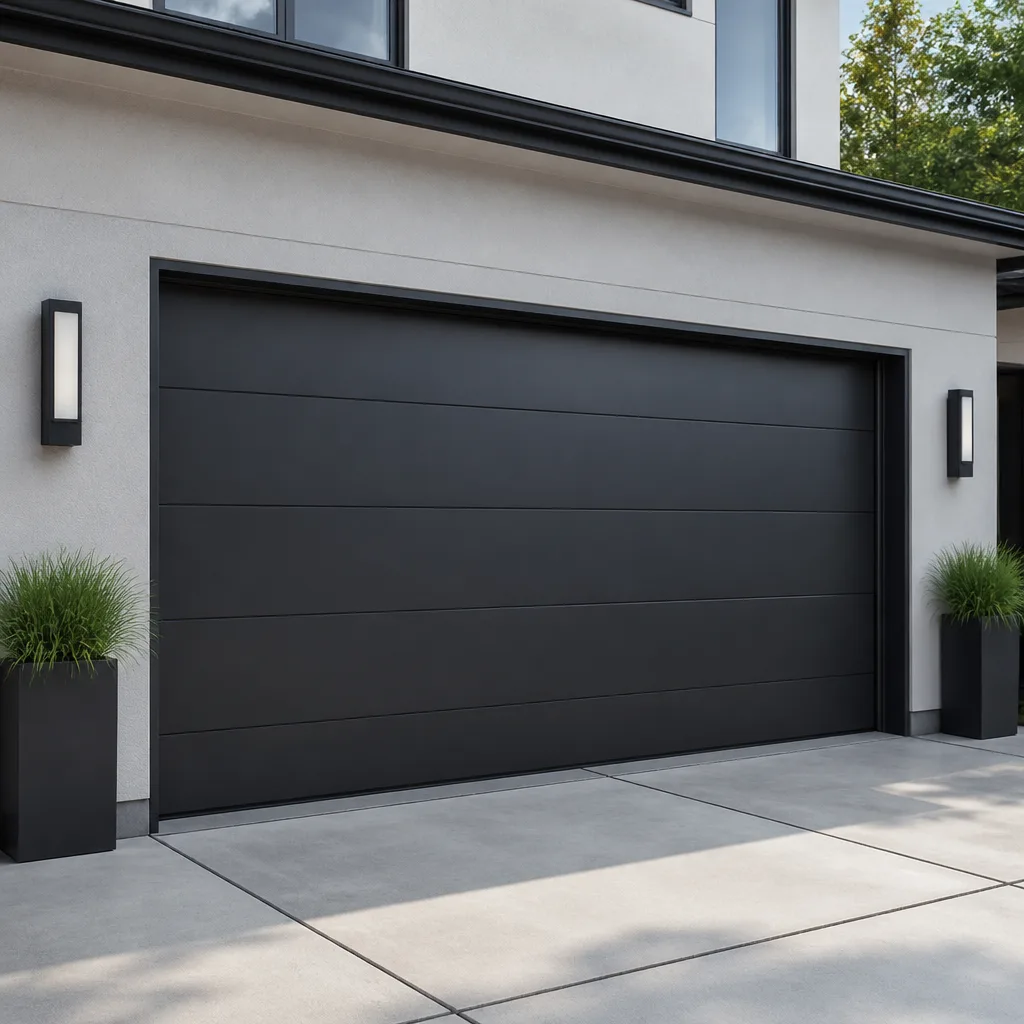 Modern flush
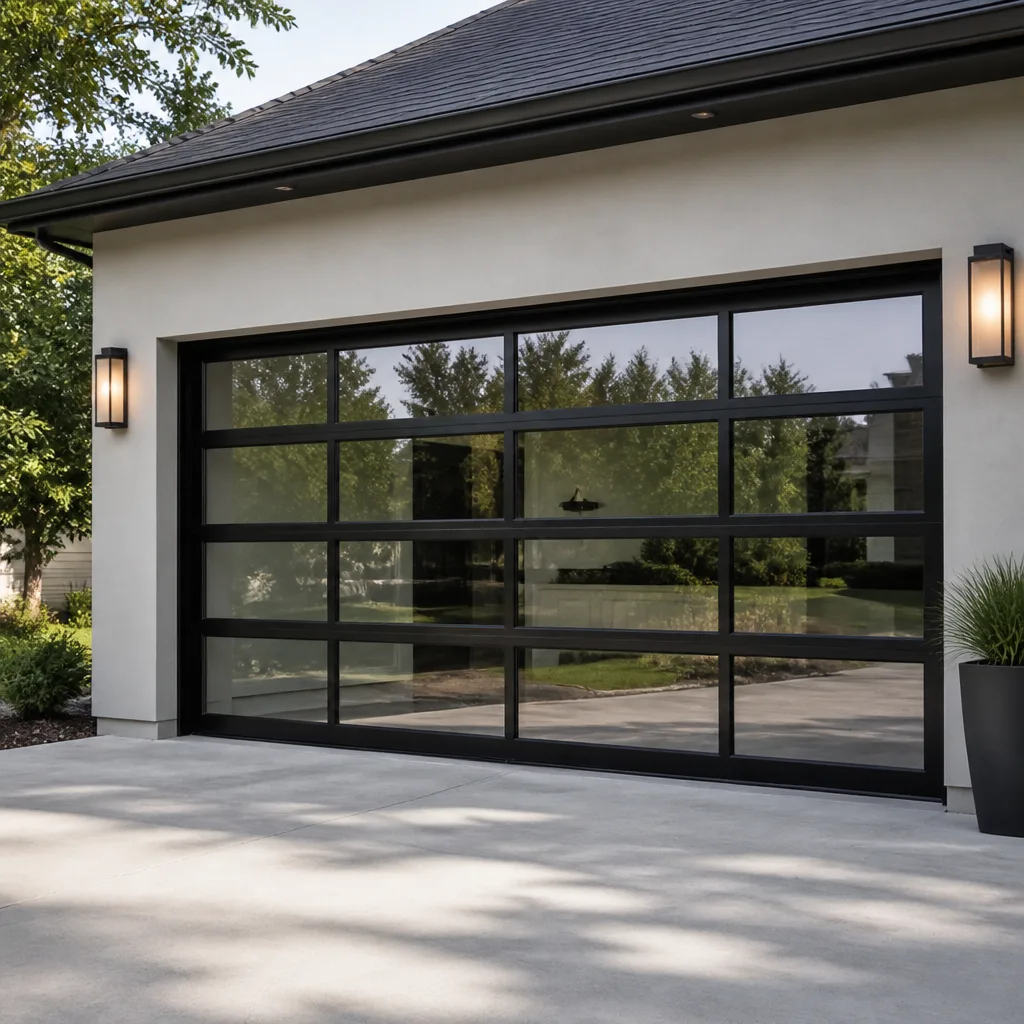 Full-view glass
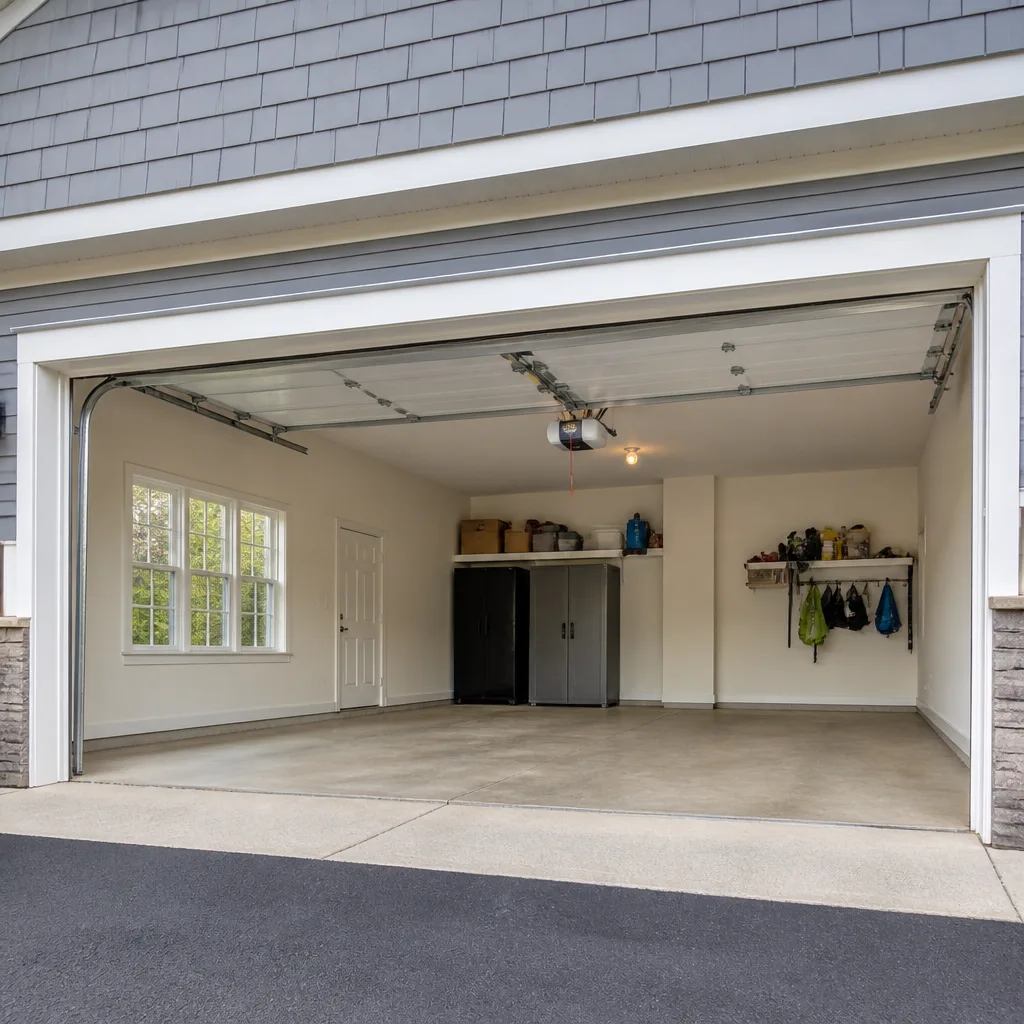 LiftMaster openers
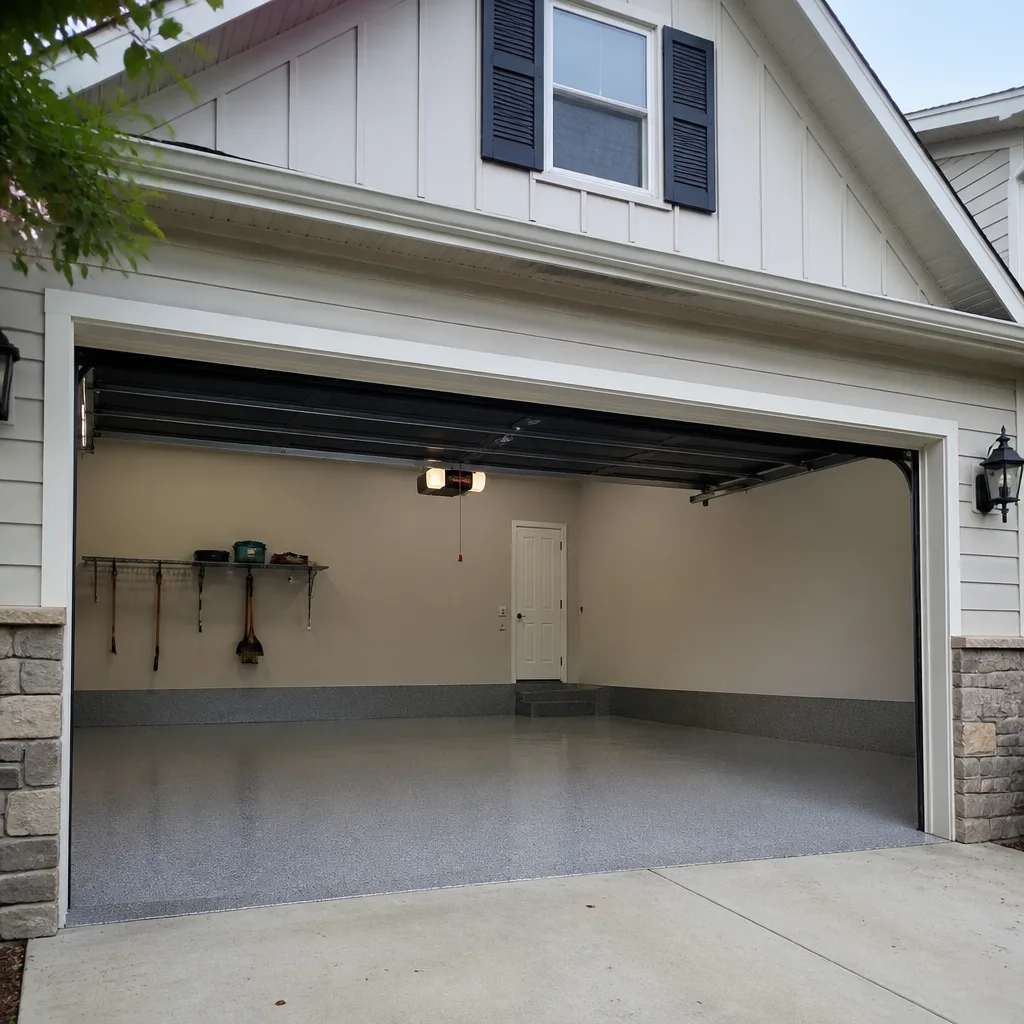 Chamberlain openers
Full 25-point door and opener safety check with every visit - springs, cables, rollers, tracks, and your LiftMaster or Chamberlain opener included
You get a price before we start. It does not change when the pro arrives.
Get your free estimateGarage Door Warning Signs: A Broken Arrow Homeowner’s Reference Guide
Most garage door failures announce themselves long before they strand a car. The catch is that the warnings rarely sound like warnings. A grinding noise on the way up and silence on the way down aren’t the same problem, they point to different components, and treating them as one symptom is how a minor roller issue turns into a bent track and a bigger bill. The gap between a small tune-up and a spring-and-cable replacement is usually measured in weeks of misread cues. This guide teaches Broken Arrow homeowners to interpret the specific sounds, movements, and visual cues their door gives, rather than sorting vague symptoms into a guess.
Quick Answer
The most reliable garage door warning signs are unusual noises (grinding, squealing, popping, rattling, thumping), a door that moves unevenly or hangs at an angle, visible gaps at the bottom, and opener lights that blink in a pattern. A door that’s hard to lift by hand when disconnected signals a balance problem, usually a spring losing tension, and that’s the sign to act on before anything breaks. In Broken Arrow, where clay soil shifts with the seasons, uneven bottom gaps deserve a closer look than they’d get in a more stable climate.
Styles & brands we work with
- Raised-panel steel
- Carriage house
- Modern flush
- Full-view glass
- LiftMaster openers
- Chamberlain openers
Table of Contents
- The Sound Index: What Each Noise Tells You
- Is Your Door Slow, or Is Your Spring Weak?
- Uneven Gaps at the Bottom and Broken Arrow Soil
- Reading LiftMaster and Chamberlain Error Lights
- The Monthly Manual Disconnect Test
- Visual Checks You Can Do in Two Minutes
- When a Warning Sign Becomes Urgent
The Sound Index: What Each Noise Tells You
Sound is the earliest and most specific warning a garage door gives. A door that has run quietly for years and suddenly develops a new noise is telling you exactly which part is unhappy, if you know the translation. Here’s how we read the five most common sounds, based on years of diagnosing systems across Broken Arrow.
- Squealing or high-pitched whining: Metal-on-metal friction, usually dry rollers, hinges, or the torsion tube. This is the earliest and cheapest noise to fix. Lubrication and hardware adjustment in a typical job keep it from becoming a track problem.
- Grinding on the way up: The opener’s drive system or a binding roller fighting the track. If the grinding is loud and consistent through the whole travel, suspect the opener gear or drive; if it comes and goes at a specific height, suspect a bent track or a seized roller. Grinding is often the difference between a straightforward garage door opener repair and a full door service.
- Popping or a loud bang: A torsion spring releasing or a cable slipping. A single loud pop followed by a door that won’t lift usually means a spring has failed. Stop using the door. This is a safety event, not an inconvenience to work around.
- Rattling: Loose hinges, bolts, or a bracket vibrating against the door. Simple to tighten, but left alone the vibration loosens more hardware and can crack a panel around a hinge point.
- Thumping or banging: The door jumping on the track, often from a worn roller, a misaligned panel, or an opener pulling out of balance. Thumping that gets worse as the door rises points toward the balance system rather than the opener.
One rule holds throughout: a noise that’s new is worth diagnosing. A noise that’s been there since the house was built may simply be how that model sounds. Your door’s history matters as much as the sound itself.
Is Your Door Slow, or Is Your Spring Weak?
Plenty of Broken Arrow homeowners assume a slow door means a failing opener, when the opener is only doing what it’s been programmed to do. Speed and strain are two different things. The visual test below separates an opener setting issue from a spring losing tension, and it’s the single most useful diagnostic you can run at home.
- Watch the door travel. If it moves at a consistent, even pace but feels slow, the opener’s speed and force settings are likely the cause. This is a programming matter.
- Watch for hesitation. If the door starts slowly, speeds up midway, or stutters near the top, that’s a symptom of the opener straining against a balance problem, not a setting.
- Disconnect and lift by hand. Pull the manual release, lift the door halfway, and let go. A balanced door holds in place. A door that drops means a spring has lost tension and the opener has been doing the spring’s work. That’s the clear signal the spring needs professional attention.
- Look at the spring itself. If you have a torsion spring, a visible gap in the coil is a sign of fatigue. If you have extension springs, stretched coils that no longer sit tight point the same way.
Torsion and extension springs are under heavy tension. Never adjust, wind, or remove one yourself; a failed spring can cause serious injury. A trained technician has the tools and the safety procedure for the job, and this is where we draw a firm line for every homeowner in Broken Arrow. Diagnosing the symptom is smart. Repairing the spring is not a DIY project.
Uneven Gaps at the Bottom and Broken Arrow Soil
A garage door that seals tight on one side and leaves a daylight gap on the other is telling you something is out of alignment. In most of the country that means a track or cable issue. In Broken Arrow it also means the ground under the slab. The clay soil here expands when wet and contracts when dry, and over years that movement tilts the slab just enough to change where the door meets the floor.
Here’s how to sort out what’s causing your gap:
- Check the weather seal first. A tired, cracked bottom seal can look like a gap without any door problem. This is the cheapest fix and worth ruling out.
- Look at the gap’s shape. A gap that’s even across the whole bottom is usually a seal or threshold issue. A wedge-shaped gap, wider on one side, points toward an alignment or foundation issue.
- Check the vertical tracks. If the tracks are plumb and the door panels are level, the gap is at the floor. If a track leans, the door is riding unevenly.
- Watch the cables. Frayed strands or a cable that’s visibly loose on one side can pull the door off level and open a gap at the bottom corner.
An uneven bottom gap matters beyond a draft. It lets water and pests in, stresses the opener as it fights the misalignment, and on a Broken Arrow door it often signals a balance problem developing at the same time. If the gap is combined with a slow door or a thumping noise, treat it as two symptoms of one issue and get it looked at. Whatever the source, when you decide to call, garage door repair that starts with a proper balance check saves you from paying for a part you didn’t need.
Reading LiftMaster and Chamberlain Error Lights
LiftMaster and Chamberlain openers share a diagnostic language: the light on the motor unit blinks in patterns, and each pattern points to a different problem. Most homeowners see a blinking light and assume the opener is broken. Usually it’s telling you exactly what’s wrong, in plain terms.
- One blink, pause, repeat: The opener can’t sense a proper obstruction or the safety reversing sensors are misaligned. Check whether something is blocking the photo-eye lenses at the bottom of the tracks, and whether the lenses are clean and facing each other.
- Two blinks: The safety sensors are blocked or wired incorrectly. A spider web, a leaf, or a struck lens is often the whole story.
- Three blinks: The safety reversing system has a wiring fault. This one usually needs a technician.
- Four blinks: The opener can’t close because something is in the way, or the force settings have drifted. The opener is doing its job; it’s refusing to close on something it can’t clear.
- Five blinks: A problem with the motor unit or a limit switch. Common with older LiftMaster and Chamberlain units and best diagnosed on-site, since the same code has several possible causes.
For Genie and Craftsman units, the LED codes come from a different table, but the principle is the same. If you can tell us the brand and the blink pattern when you call, we can often narrow the diagnosis before we arrive. The right fix comes from reading the system, not swapping parts until something works. That’s why we name LiftMaster and Chamberlain opener service as its own service line, not a footnote to door repair.
The Monthly Manual Disconnect Test
The single best habit a Broken Arrow homeowner can build is a monthly manual disconnect test. It takes a minute, it requires no tools, and it catches balance problems while they’re still a repair rather than an emergency. The manual release handle hangs from the opener rail, and pulling it disconnects the door from the motor so you can move it by hand.
- Close the door fully and pull the release handle. The trolley disengages from the car door arm.
- Lift the door by hand to waist height. Use the bottom section, lift smoothly, and note how much effort it takes. A properly balanced door should lift with one hand and feel light.
- Let go at halfway. A balanced door stays roughly in place. A door that falls means the springs are losing tension.
- Lower it gently and reconnect the trolley. Run the opener once to confirm it re-engages, and cycle the door fully up and down.
If the door falls, stops lifting easily, or feels heavier than last month, schedule a professional balance and spring check. Don’t keep running the opener on a door that fails this test; every cycle puts more strain on the motor and the door hardware. Caught at the monthly test, a balance problem is a modest repair. Caught when the spring finally breaks or the door comes off its track, it’s a much bigger job. It’s also the reason we handle garage door opener repair and spring work under one call: a door that fails this test is a balance symptom the whole system shares.
Visual Checks You Can Do in Two Minutes
Not every warning sign makes a sound. A quick visual pass on the door and hardware catches a lot before it becomes expensive, and it’s worth folding into the monthly test. Look for these five things:
- Frayed or kinked cables. The cables run along the sides of the door. Broken strands or a kink anywhere along the run mean the cable is failing. Don’t touch or adjust them; cables under tension can whip and cut. This is technician work.
- Bent or leaning vertical tracks. Stand back and look at each side track. A track that visibly leans, or a door section that doesn’t sit flat against it, is a sign the door has been out of alignment. A minor bend may still be fixable; chronic track wear usually needs replacement.
- Worn rollers. Rollers should turn freely and sit snugly in the track. A roller that wobbles, drags, or has a flattened spot is worn. Worn rollers are a common source of both rattling and grinding.
- Cracked or splitting panels. Hail, impact, or age can crack a panel or its hinges. On a Clopay or Amarr panel, a crack near a hinge is worth catching early, before it grows across the face.
- Loose hinges and brackets. Check where hinges attach to each panel and whether the top bracket is tight. Loose hardware is a simple fix now and a dented panel later if left.
One caution worth stating plainly: the torsion spring and the cables are the two areas to look at but never to repair. When the visual pass turns up anything in those two places, that’s the line where a homeowner’s inspection ends and a technician takes over.
When a Warning Sign Becomes Urgent
Most warnings give you weeks to act. A few don’t. Stop using the door and call as soon as you find one of these:
- The door won’t lift at all after a loud pop or bang (a failed spring).
- The door is off its track or hanging at a visible angle, especially with a car underneath; never lift it yourself.
- A cable has snapped or is visibly dangling on one side.
- The door comes down hard or fast, or won’t reverse when it meets an obstruction. That’s a safety failure that needs same-day attention.
- A panel is separating from the door frame, or the door is no longer square.
For these, call us and we’ll get an opening scheduled. For the slower warnings (a new sound, a slow lift, an uneven gap), a diagnostic visit in the next several days is the better call, and it’s cheaper than waiting for the failure. Either way, our technicians have up to 13 years of experience with LiftMaster, Chamberlain, and the other major systems, and they diagnose by system, not by guesswork. If a garage door repair is on the horizon, free estimates and a clear explanation of the failure come standard.
Common Mistakes to Avoid
- Treating a new noise as normal. A door that’s been quiet for years and suddenly squeals or thumps is telling you something. Dismissing the change is how a cheap fix becomes a spring-and-cable job.
- Running the opener on an unbalanced door. If the manual test shows the door drops when you let go, stop cycling it. Every cycle strains the motor and the door hardware instead of the spring.
- Trying to fix a spring or cable yourself. These parts are under heavy tension, and a mistake can cause serious injury. There’s no safe DIY version of spring work.
- Blaming the opener for a balance problem. A struggling opener is often just compensating for weak springs. Replacing the opener without fixing the balance is money spent on the wrong part.
- Ignoring an uneven bottom gap in Broken Arrow. Clay soil movement here makes floor gaps more common than in more stable ground, and a gap worth daylight often pairs with a balance issue. Get it checked rather than sealed and forgotten.
- Pushing the safety reversing sensor problem. If the door won’t reverse or keeps re-opening, don’t prop it or force it. A safety sensor issue is a safety failure, not a nuisance.
- Skipping the monthly disconnect test. It’s a minute of effort and the most reliable early warning a homeowner has. Skipping it means finding out about a weak spring when it finally breaks.
See the difference
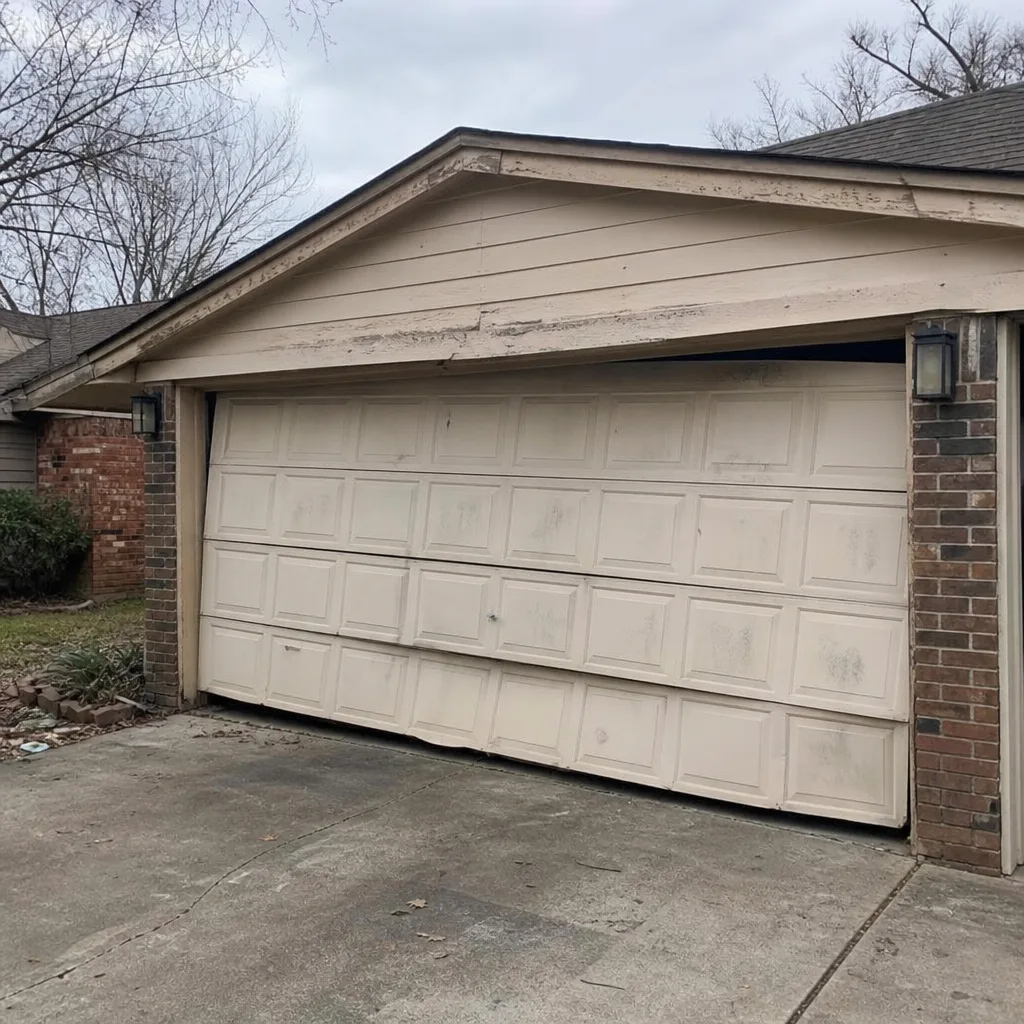 Before
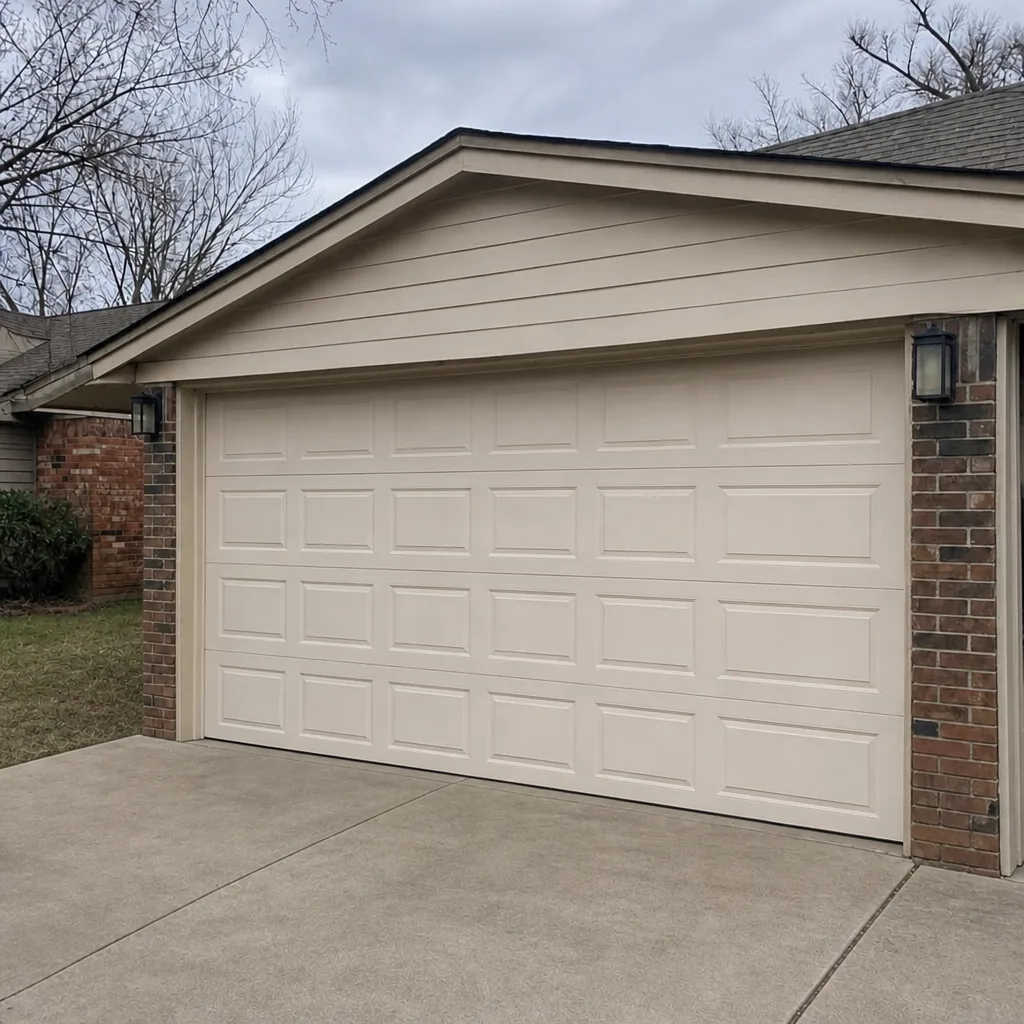 After
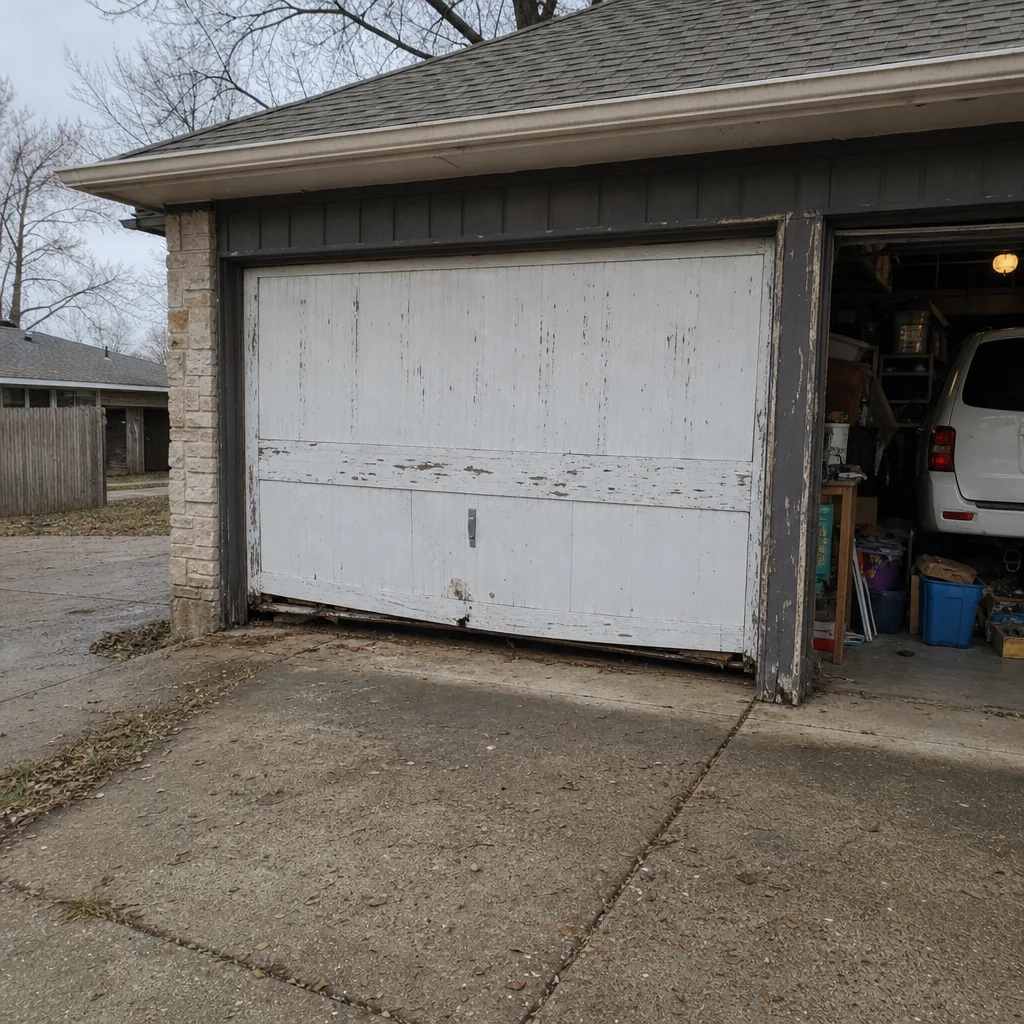 Before
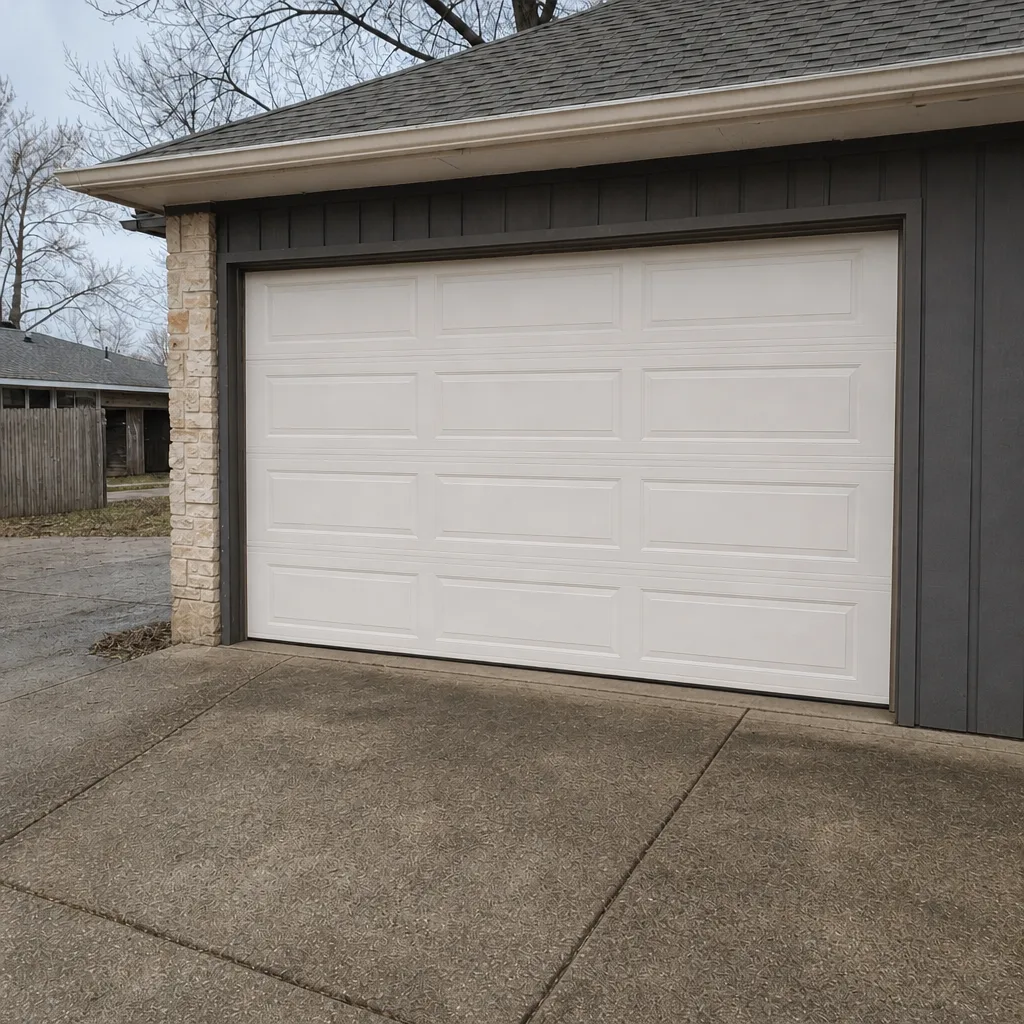 After
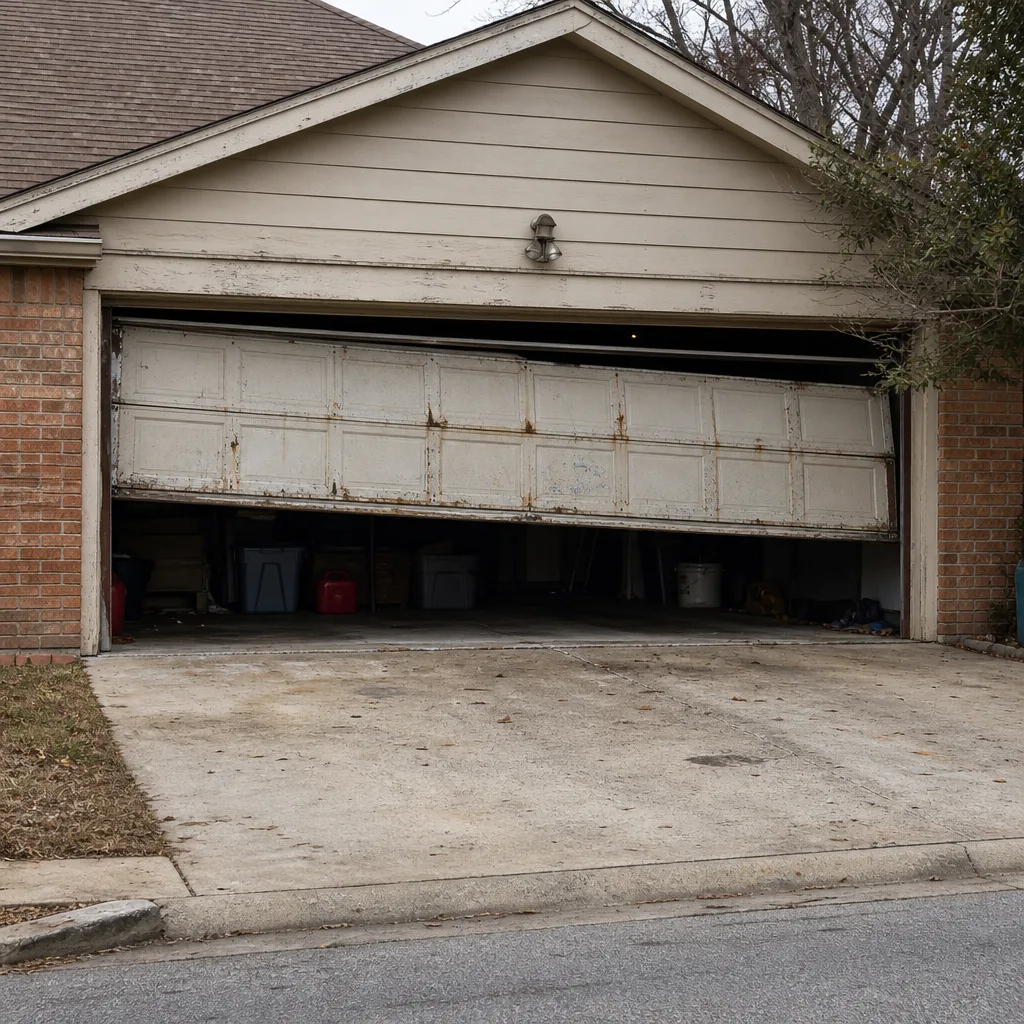 Before
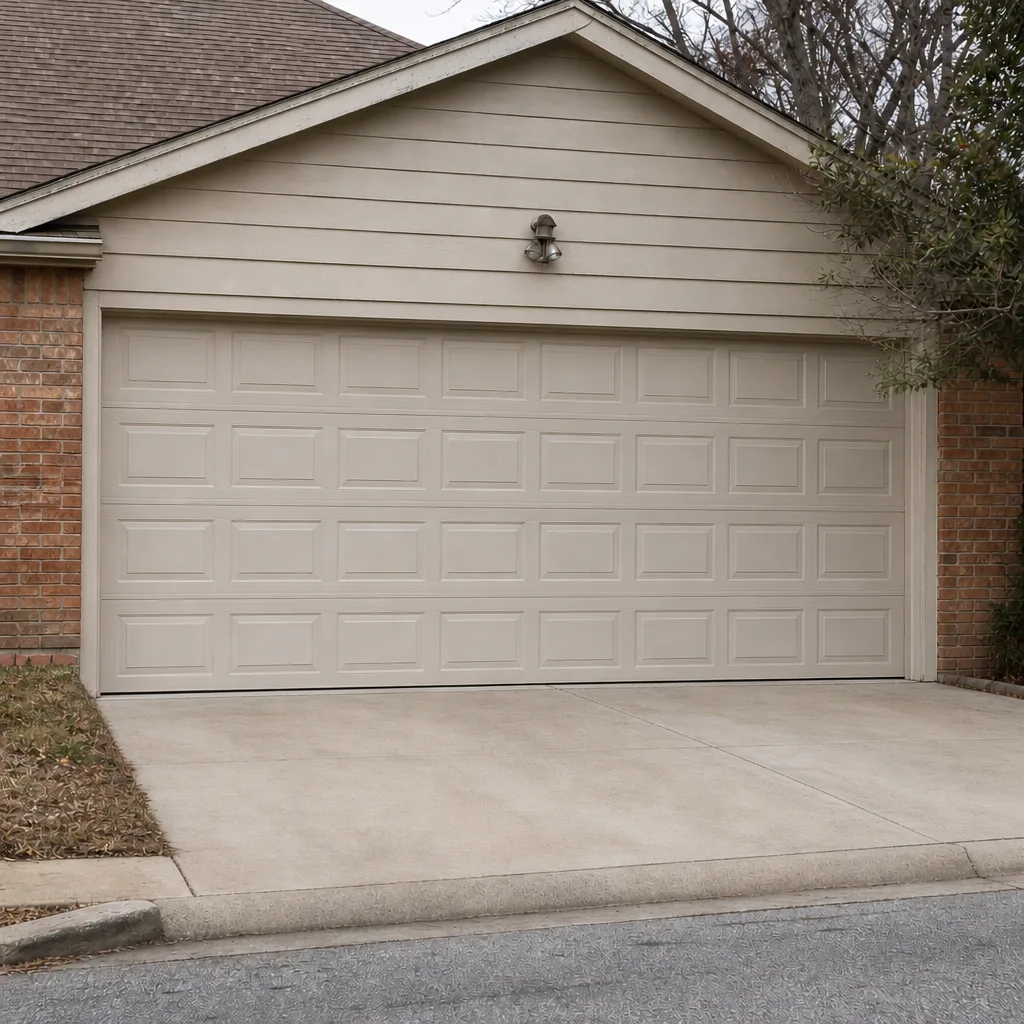 After
When to Call a Professional
Call a professional when the symptom touches a spring, a cable, a track, or the opener’s safety system, and when any of those seems to be getting worse. Also call when you can’t tell what’s causing a symptom. Half the value of a diagnostic visit is a technician saying “that noise is a roller, not a spring,” and then fixing it before it spreads. Morningstar Garage Door Repair offers free estimates in Broken Arrow, and our technicians diagnose by system across LiftMaster, Chamberlain, Genie, Clopay, Amarr, Wayne Dalton, Craftsman, and Raynor. One call covers door repair, garage door opener repair, and new door installation, so you don’t need a second company if the door is aging out. Call (844) 320-3275 to schedule. We answer 24/7. Fast dispatch from 7am to 7pm, Sunday through Friday. Every price gets quoted and agreed before any work starts.
Frequently Asked Questions
The earliest reliable sign is a new sound, especially squealing or grinding on the way up, because it usually means dry rollers or a binding track that can be fixed cheaply. A door that develops a new sound and still works has given you the warning before any part has broken, so it’s the moment to book a diagnostic. Call (844) 320-3275 for an exact quote, estimates are free.
Run the manual disconnect test: pull the release, lift the door halfway by hand, and let go. If it holds, the spring is fine and any slowness is an opener setting. If it drops or feels heavy, the spring has lost tension and the opener has been masking it. Call (844) 320-3275 to get a spring and balance check, estimates are free and the price is set before any work starts.
A wedge-shaped gap on one side usually means the door is out of alignment, from a cable, a track, or the spring, though in Broken Arrow the clay soil shifting under the slab can contribute too. An even gap across the bottom is more often a worn weather seal. Either way, it’s worth checking the balance before sealing it. Call (844) 320-3275 to have it looked at, estimates are free.
The blink count points to the problem: one or two blinks is usually a misaligned or blocked safety sensor, three is a sensor wiring fault, four means the opener won’t close on an obstruction or a drifted force setting, and five points to the motor unit or a limit switch. If the code stays after you’ve checked the sensor lenses for debris, call (844) 320-3275 and have the brand and blink count ready. Estimates are free.
No, and this isn’t caution for its own sake. Torsion and extension springs are under heavy tension, and adjusting or removing one without the right tools and procedure can cause serious injury. A failed spring can also snap a cable, so both need a trained technician. Call (844) 320-3275 to schedule a spring replacement and get a written quote before work starts.
Not always. Continuous grinding through the whole travel usually points to the opener’s drive gear or drive system, while grinding that comes and goes at a specific height is more often a seized roller or a bent track. That distinction decides whether you need garage door opener repair or a door-side fix. Tell us where in the travel the noise happens when you call (844) 320-3275, and we’ll book the right diagnostic.
The Bottom Line
Garage door failures are rarely sudden. They start as a new sound, a door that hesitates, a gap that opens on one side, or a light that blinks a pattern, and those signs sit there for weeks waiting to be read. The manual disconnect test once a month, a two-minute visual pass, and a habit of treating any new noise as information will catch most problems while they’re a modest repair. Springs and cables get a technician, no exceptions. For everything else, in Broken Arrow, the best move is to describe the symptom and get an expert eye on it before it grows. Call (844) 320-3275. We answer 24/7. Fast dispatch from 7am to 7pm, Sunday through Friday.
Morningstar Garage Door Repair offers Morningstar Garage Door Repair services across the Broken Arrow area, with free estimates and a written price before any work starts.
Written by the team at Morningstar Garage Door Repair.